 MacRumors
- Apple's failed self-driving car program left a legacy of powerful AI chips, contributing to the development of the Neural Engine, which is crucial for on-device AI processing.
- The M7 Ultra chip is designed to support up to 1.5TB of unified memory, matching the feat of the 2019 Mac Pro.
- 2028 could see the release of the most expensive Apple product ever, potentially requiring a significant financial investment.
- Apple's Neural Engine made its debut with the iPhone, initially used for computer vision tasks like FaceID and augmented reality features.
- Apple's AI hardware is becoming a cornerstone of its strategy, as the company shifts focus from traditional performance metrics to AI capabilities.
- Memory chip shortages may affect whether Apple can offer the full 1.5TB RAM configuration for the M7 Ultra chip.
Apple's M7 Ultra chip is poised to match the 2019 Mac Pro's impressive 1.5TB RAM capability, a significant leap in memory technology. The chip's design reflects a shift in Apple's strategy, emphasizing AI integration over traditional performance metrics.
The M7 Ultra, which is expected to support up to 1.5TB of unified memory, is a response to the growing demand for powerful computing solutions, particularly in AI applications. However, the availability of this configuration may be impacted by the ongoing memory chip shortage, which has made components more expensive and harder to source.2

Apple's previous foray into self-driving technology, although ultimately unsuccessful, has significantly influenced its chip development. The Neural Engine, a product of this initiative, has become central to Apple's on-device AI processing capabilities, enhancing features like FaceID and augmented reality.
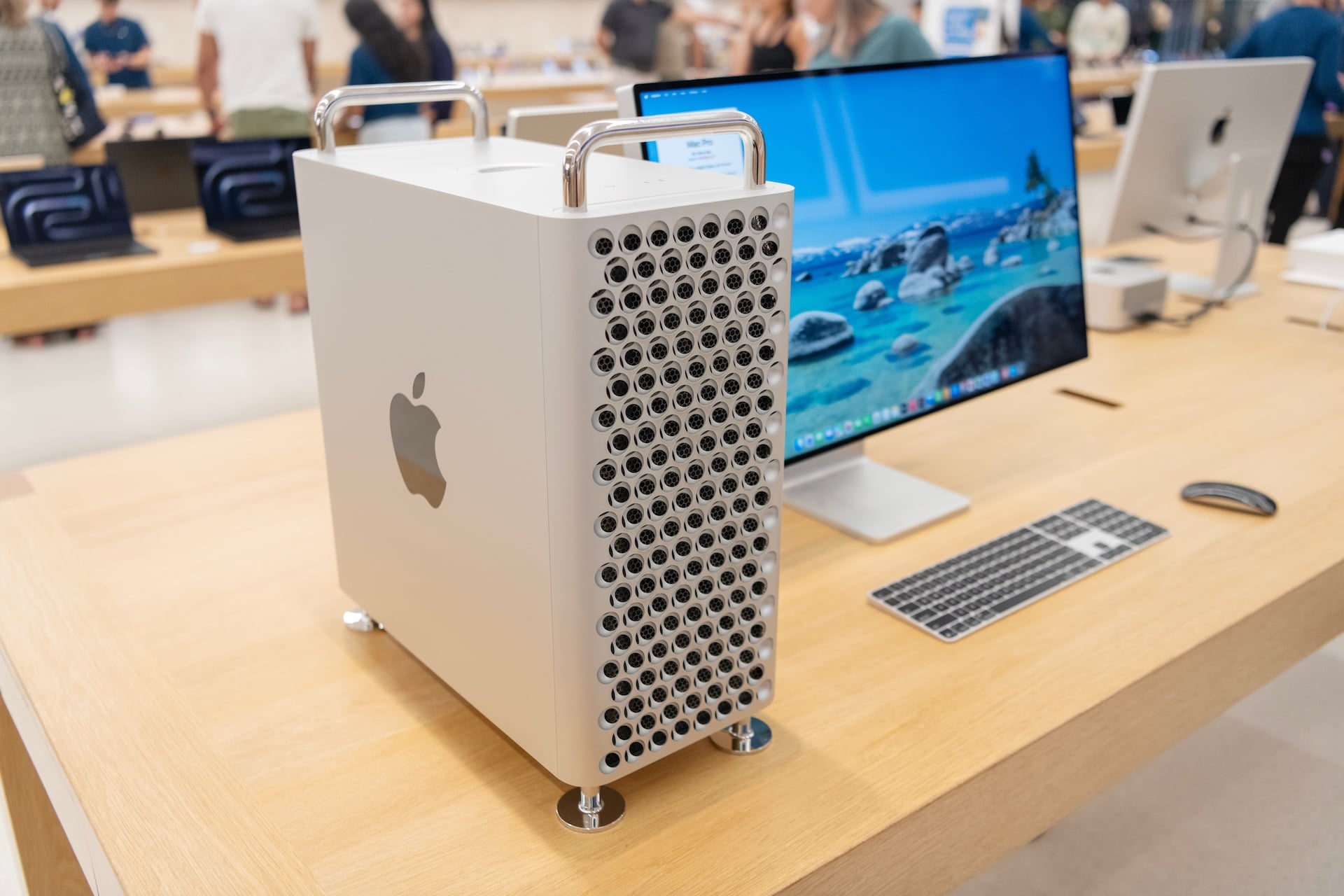
As Apple accelerates the development of the M7 Ultra, it is also skipping the Pro, Max, and Ultra versions of its upcoming M6 chip, indicating a strategic pivot towards more advanced AI capabilities. According to industry analyst Mark Gurman, “The takeaway is that AI is no longer just another feature Apple’s chips need to support. It is now shaping how those products are designed.”
With the M7 Ultra, Apple aims to position itself competitively against dedicated AI accelerators like Nvidia's Blackwell, potentially redefining the landscape of high-performance computing.
“The M7 Ultra is expected to support up to 1.5TB of RAM, but memory chip shortages may affect its availability. Gurman notes the chip could approach Nvidia's Blackwell class, and a future 2028 product might be the most expensive Apple device ever, possibly requiring a second mortgage.”
 Gizmodo



