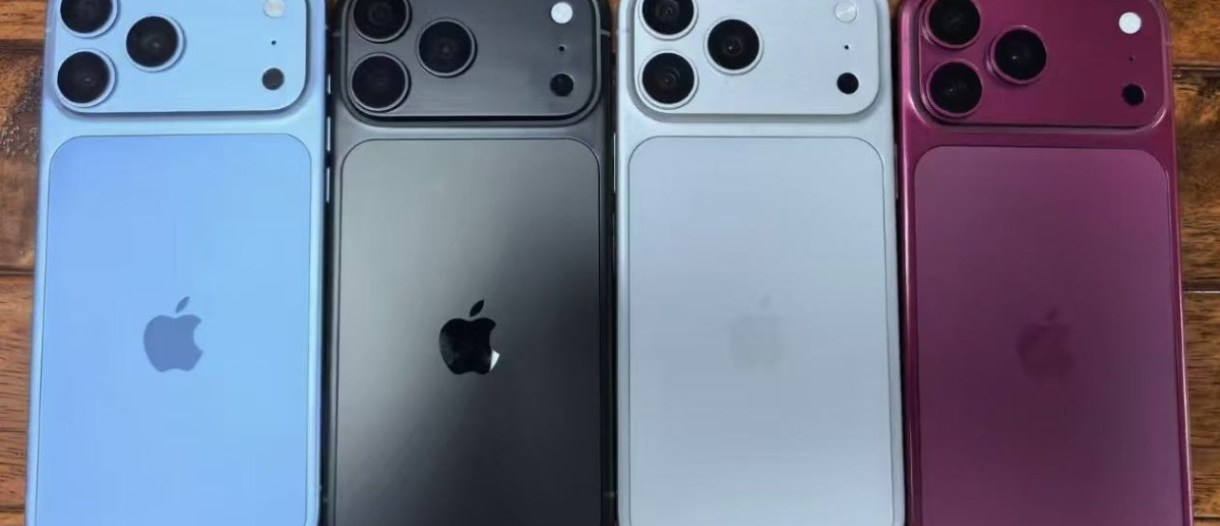
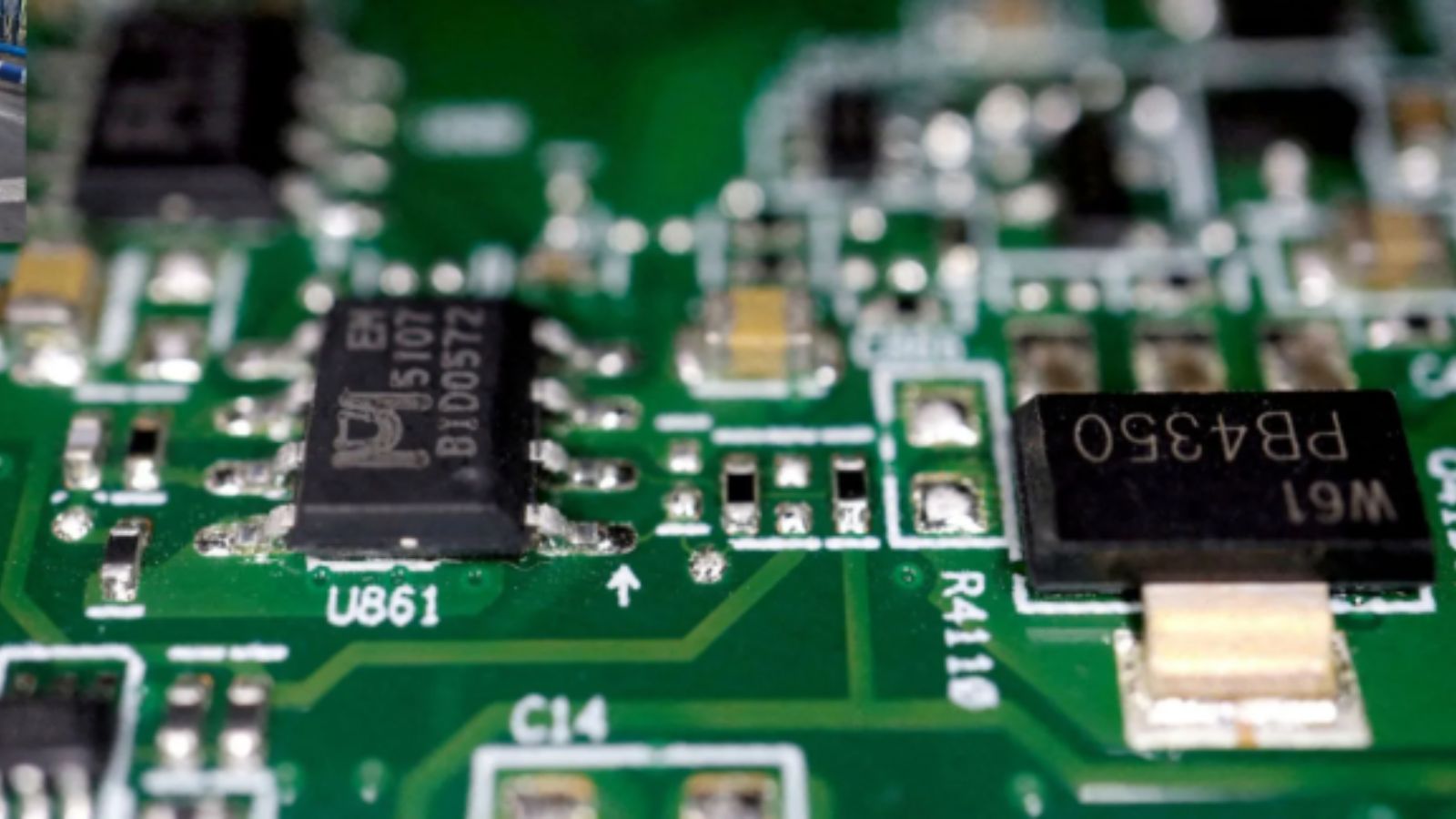
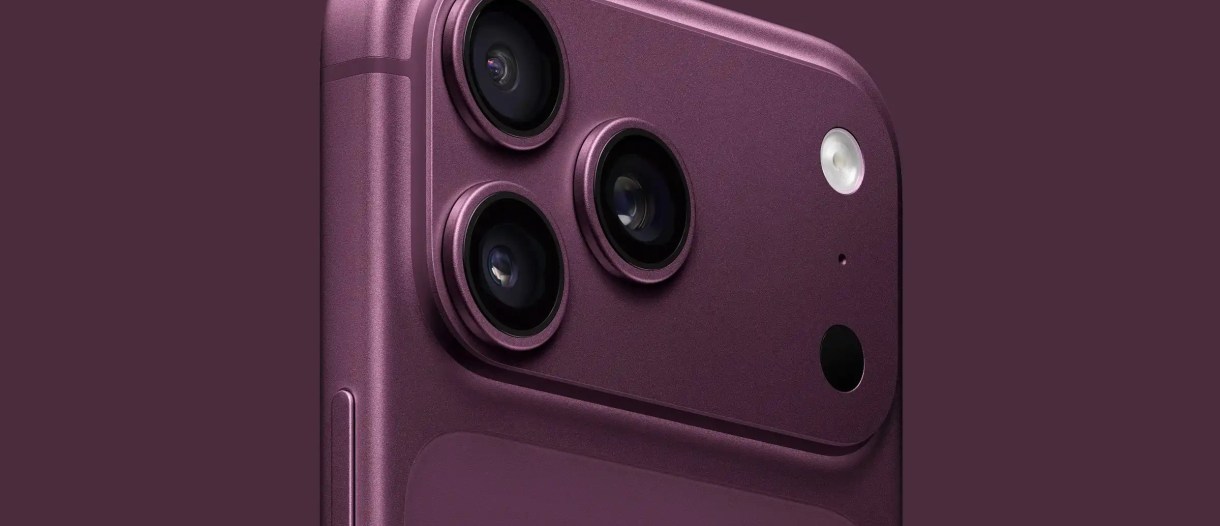
- Apple’s next-generation iPhone 18 Pro could bring one of the biggest internal upgrades in years, with reports pointing toward a new chip manufactured using an advanced 2nm process.
- The chip is commonly discussed as the A20 Pro, although Apple’s final branding and specifications remain subject to official confirmation.
- A 2nm-class chip could potentially deliver improvements in performance, power efficiency, artificial intelligence processing and battery management.
- If Apple adopts a 2nm-class process for the iPhone 18 Pro generation, chip production costs could be higher than those associated with mature manufacturing technologies, which is one reason why the Pro lineup could be the most logical place for Apple to introduce the technology before expanding it more broadly.
- A more efficient chip could potentially maintain stronger performance while producing less heat, and a 2nm processor could consume less energy while completing common workloads, potentially helping Apple improve battery endurance without relying entirely on a significantly larger battery.
- The major advantage of moving to a smaller process is the ability to fit more sophisticated transistor designs into a compact area while improving efficiency.
- A future A20 Pro processor could feature upgraded CPU and GPU architectures alongside the benefits of the newer manufacturing process.
- The iPhone 18 Pro’s processor could feature a more capable Neural Engine, allowing additional AI operations to happen directly on the device, potentially enhancing Siri-related experiences, image processing, writing tools, photo organization and other intelligent features.
Apple's iPhone 18 Pro is set to revolutionize mobile technology with its anticipated 2nm A20 Pro chip, which promises substantial enhancements in performance, efficiency, and AI capabilities. This chip, manufactured using an advanced 2nm process, is expected to deliver significant improvements in transistor density and energy efficiency compared to older manufacturing technologies.1234
The A20 Pro chip is rumored to feature upgraded CPU and GPU architectures, alongside a more capable Neural Engine that could enhance various AI operations directly on the device. This could lead to improved Siri experiences, better image processing, and more intelligent features in future iOS versions.1213
However, the transition to a 2nm-class process may result in higher production costs, which could drive up the price of the iPhone 18 Pro. Analysts suggest that this price increase is a logical step for Apple as it introduces cutting-edge technology in its Pro lineup before broader implementation.56
“A more efficient chip could potentially maintain stronger performance while producing less heat,” experts note, highlighting the potential for improved battery endurance without necessitating larger batteries. As Apple prepares for the official announcement, the tech community eagerly anticipates how these advancements will reshape the smartphone landscape.78
“The 2nm process could enable more sophisticated transistor designs, improving density and energy efficiency. A more capable Neural Engine would allow additional on-device AI operations, potentially enhancing Siri, image processing, and writing tools.”
 chshyd.in