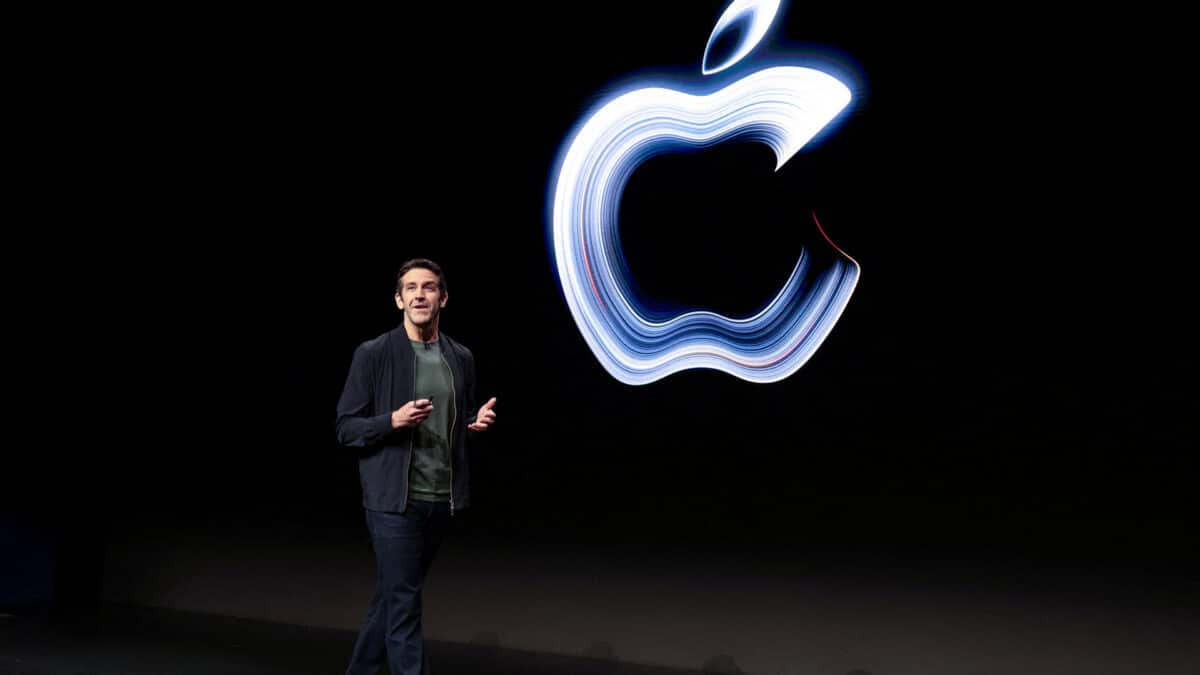
- Apple's tightly coordinated release cycles and layers of bureaucracy are reportedly slowing its AI progress, prompting John Ternus to streamline teams and accelerate development.
- John Ternus plans to streamline teams and reduce the layers of bureaucracy within the company.
- Apple is building an AI agent that can use a computer much like a capable person does, according to a job listing.
- Apple risks losing the AI agent war due to its outdated playbook.
- Apple is known for developing new devices and operating systems through tightly coordinated engineering, testing, and release schedules, but this has slowed progress in AI.
- Apple's internal release calendar, known as ABCDEF and G, ties engineering work to specific software versions and launch windows.
- This structure means Apple spends roughly 12 months executing a plan established long before the software reaches consumers.
- Greater coordination between hardware and software has helped Apple deliver premium products, but the complex launch structure is a challenge for AI upgrades.
- Such a rigid structure could mean Apple operates as much as a year behind the competition.
- As competitors race ahead, Apple's AI agent remains frustratingly slow to respond.
- Reports suggest that Apple's reputation for protecting user privacy and the millions of apps available through its App Store could give it an advantage.
- Apple's hardware capabilities and established reputation for delivering tightly integrated products could help strengthen its AI offerings.

Apple's internal bureaucracy and rigid release schedules are hindering its AI development, leaving it at risk of falling behind competitors. John Ternus is taking steps to streamline teams and reduce complexity, but the company’s traditional approach may delay its AI agent launch by up to a year.23
According to reports, Apple’s engineering and release processes are tightly coordinated, relying on an internal calendar known as ABCDEF and G. This structure means that Apple spends about 12 months executing plans established long before products reach consumers. While this method has historically ensured high-quality products, it is now proving to be a challenge in the fast-evolving AI landscape.67
As competitors advance, Apple’s AI agent is described as frustratingly slow to respond. The company aims to develop an AI that can operate a computer as effectively as a human, capable of browsing the web, running commands, and debugging code. However, as users become accustomed to established AI applications, transitioning them to Apple's platform could be challenging without a significant competitive edge.10
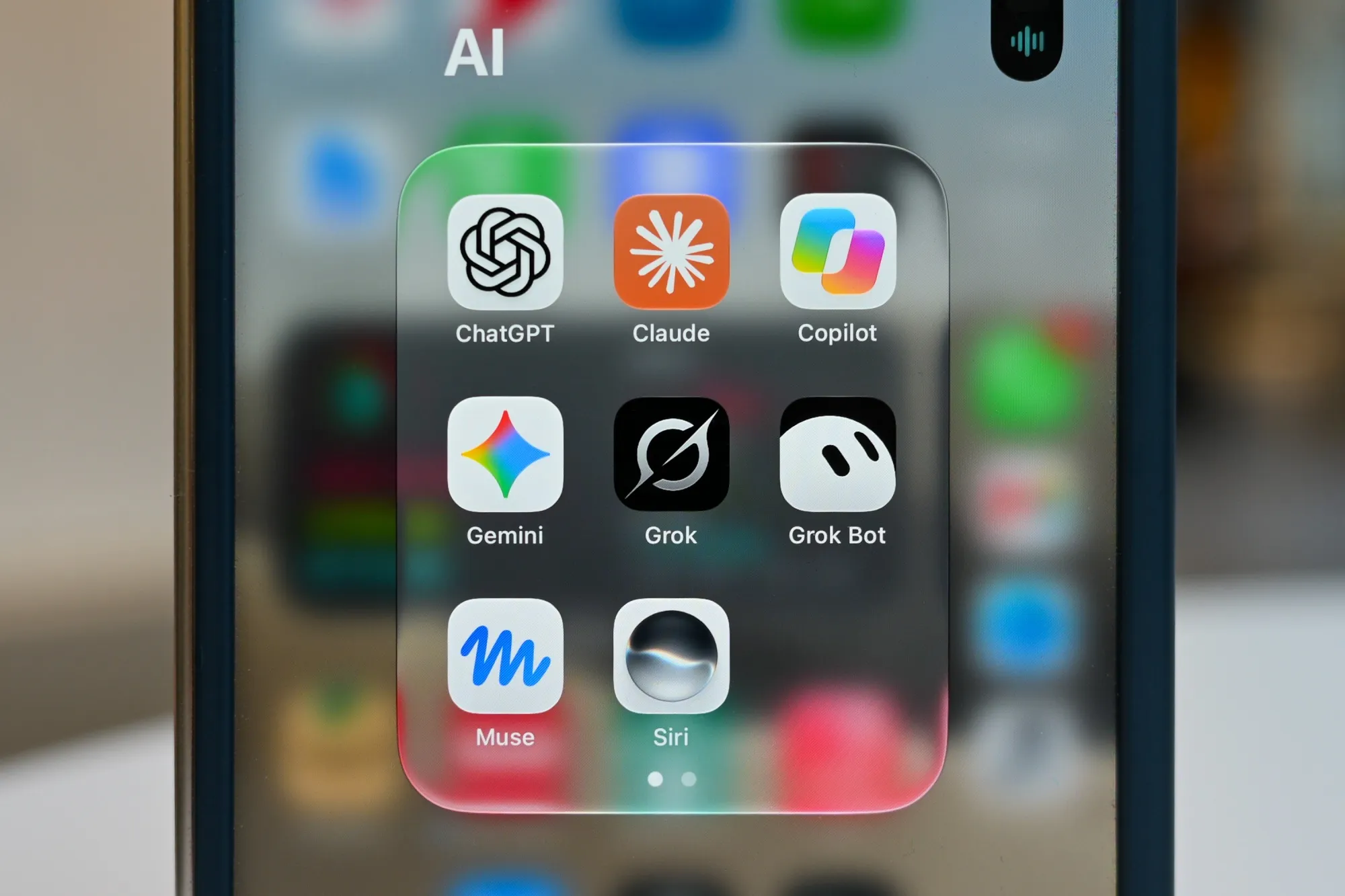
Despite these hurdles, Apple’s reputation for user privacy and its extensive App Store could provide advantages in the AI race. The company’s hardware capabilities and integrated product ecosystem may also help it regain lost ground in developing capable AI agents.12
As Ternus implements changes, the urgency to innovate and adapt becomes increasingly critical for Apple to remain relevant in the AI sector.
“Apple's rigid release calendar, known as ABCDEF and G, ties engineering to specific software versions, causing the company to operate as much as a year behind rivals. A job listing says the goal is an AI agent that 'browses the web, works across apps, runs commands, writes and debugs code.'”
Firstpost