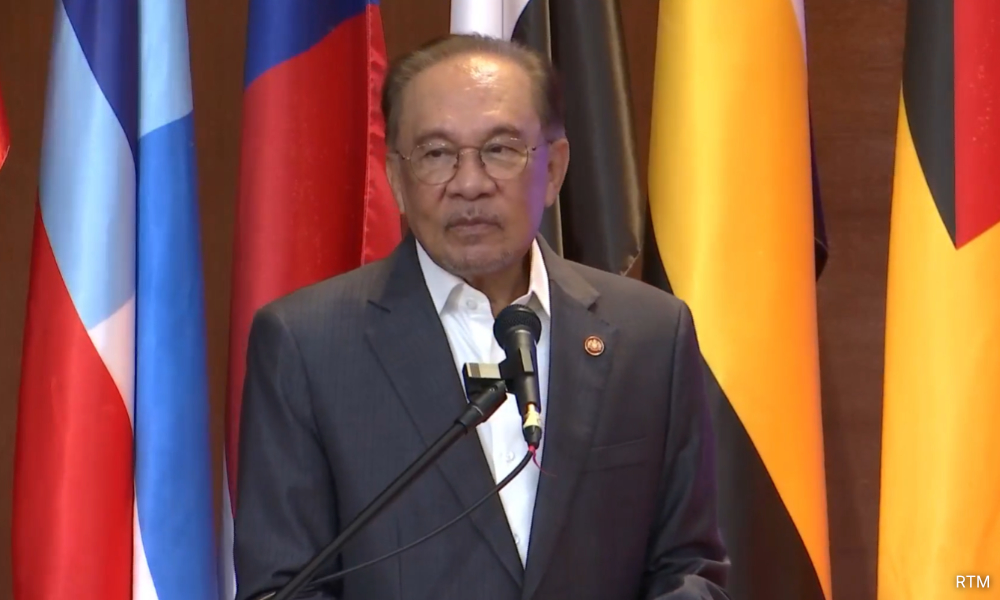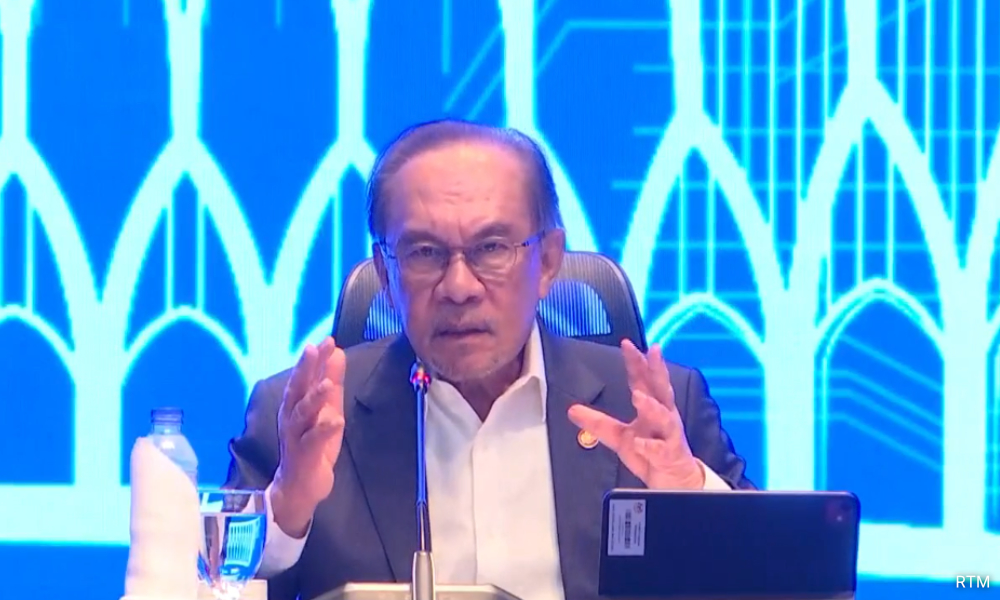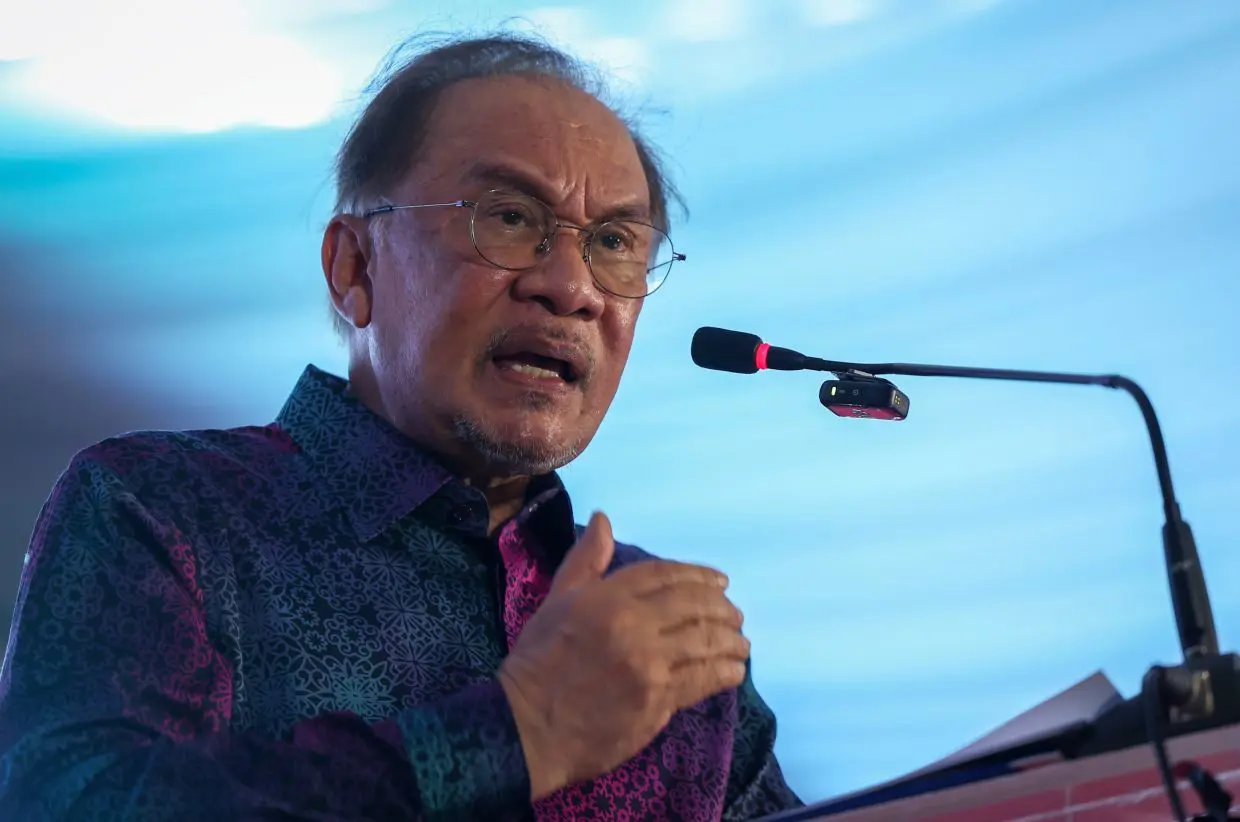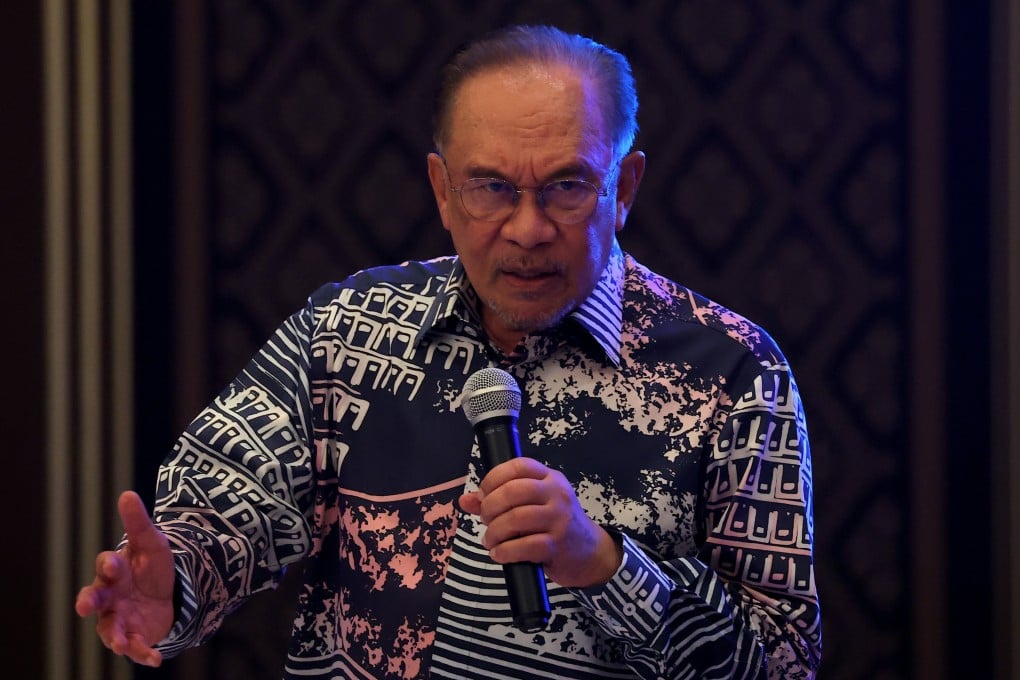
- In an Al Jazeera interview aired on Aug 16, Anwar stated, “I see Taiwan as part of China, period,” and suggested he would use force to protect national unity if a province broke away.
- Taiwan's Ministry of Foreign Affairs condemned Anwar's comments on Aug 18, warning that his one-sided support for China could negatively impact Taiwanese businesses' investment confidence.
- On Aug 19, China's Foreign Ministry spokesman Lin Jian commended Anwar's remarks, stating that upholding the One China principle is the right thing to do and that China “must and will achieve reunification.”
- On Aug 20, Anwar appeared to tone down his comments, reaffirming Malaysia's adherence to the One China policy since 1974 and favoring a peaceful resolution.
- Analysts and politicians offered varied interpretations of Anwar's comments, with some seeing a walk-back and others cautioning against over-reading a single statement.
- In 1974, Kuala Lumpur acknowledged the PRC’s position on Taiwan without explicitly endorsing it, as part of Malaysia’s One China policy.
- Lam Choong Wah, an international relations expert, cautioned against reading too much into a single statement, noting that government leaders can make unusually strong or unexpected remarks for political reasons.
- Anwar's comments may help him regain support among Malaysian Chinese who support the unification of China and Taiwan.
- The timing of Anwar's comments is notable as he is scheduled to visit China in late September.
Malaysian Prime Minister Anwar Ibrahim's comments regarding Taiwan have ignited a diplomatic firestorm. In an interview, Anwar stated, “I see Taiwan as part of China, period,” which prompted a swift condemnation from Taiwan's Ministry of Foreign Affairs. They warned that Anwar's “one-sided support for China” could undermine Taiwanese investment confidence in Malaysia.123
In contrast, China's Foreign Ministry praised Anwar's remarks, asserting that “upholding the One China principle is the right thing to do.” Anwar later clarified his position, emphasizing Malaysia's long-standing adherence to the One China policy since 1974 and advocating for a peaceful resolution to cross-strait tensions. He stated, “Of course, we respect China’s position, but a peaceful path is the best course.”4
The timing of Anwar's comments is significant, as he is scheduled to visit China in late September. Observers note that while Malaysia has traditionally maintained a non-aligned stance, Anwar's remarks could create “unnecessary ambiguity” regarding this position. Amir Fareed Rahim from KRA Group highlighted that Malaysia's neutrality is crucial for its role in global supply chains.10
As Lam noted, Anwar's subsequent clarification provided essential context, reaffirming Malaysia's established policy of recognizing the One China principle while preferring a peaceful resolution. The diplomatic implications of Anwar's statements continue to unfold, with potential impacts on Malaysia's economic relationships with both Taiwan and China.
“Taiwan's foreign ministry said Anwar's 'one-sided support for China' could hurt Taiwanese businesses' confidence in investing in Malaysia. China's spokesman Lin Jian praised the remarks, adding that Beijing 'must and will achieve reunification', while Anwar later stressed a peaceful path is 'the best course'.”