
- The fossil is identified as a sauropod and is only the second sauropod bone found on the continent.
- Only one other sauropod bone has ever been found on Antarctica, making this newly identified specimen incredibly valuable.
- This fossil confirms that titanosaurs were also present on Antarctica.
- The vertebra was found alongside bits of ammonite, indicating it floated out to sea after death.
- The discovery was recorded in a field notebook kept by geologist Dr Mike Thomson, who noted it was about 10cm wide.
- Professor Barrett explained that this discovery shows that an area now considered uninhabitable was once very habitable.
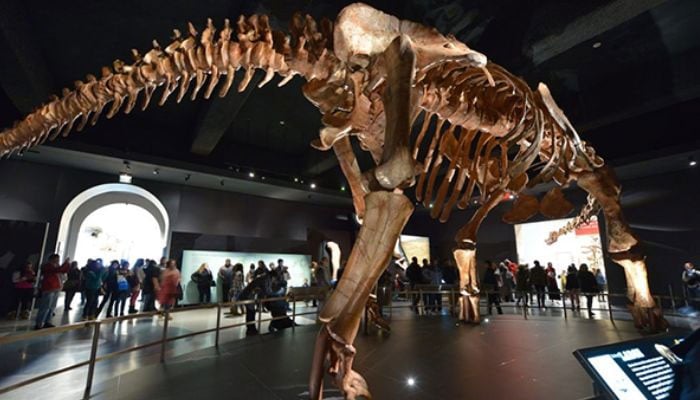
- More than 100 species of Titanosaur have been identified worldwide, with the largest exceeding 115ft (35m) in length and weighing about 60 tonnes.
- Its original discovery had been carefully documented by geologist Dr Mike Thomson in a field notebook dated December 9, 1985.
A dinosaur fossil, identified as a titanosaur, has been rediscovered after 40 years in storage, marking a significant paleontological find in Antarctica.
The fossil, a tail vertebra, was collected in 1985 during an expedition to James Ross Island but remained unidentified until recently.
Dr. Mark Evans, collections manager at the British Antarctic Survey, found the specimen while reviewing the collection. "It shows that an area that we now think is really uninhabitable was once actually very habitable and had this huge cast of characters living in it," explained Professor Paul Barrett of the Natural History Museum, who confirmed the identification based on the bone's unique ball-and-socket joint structure.
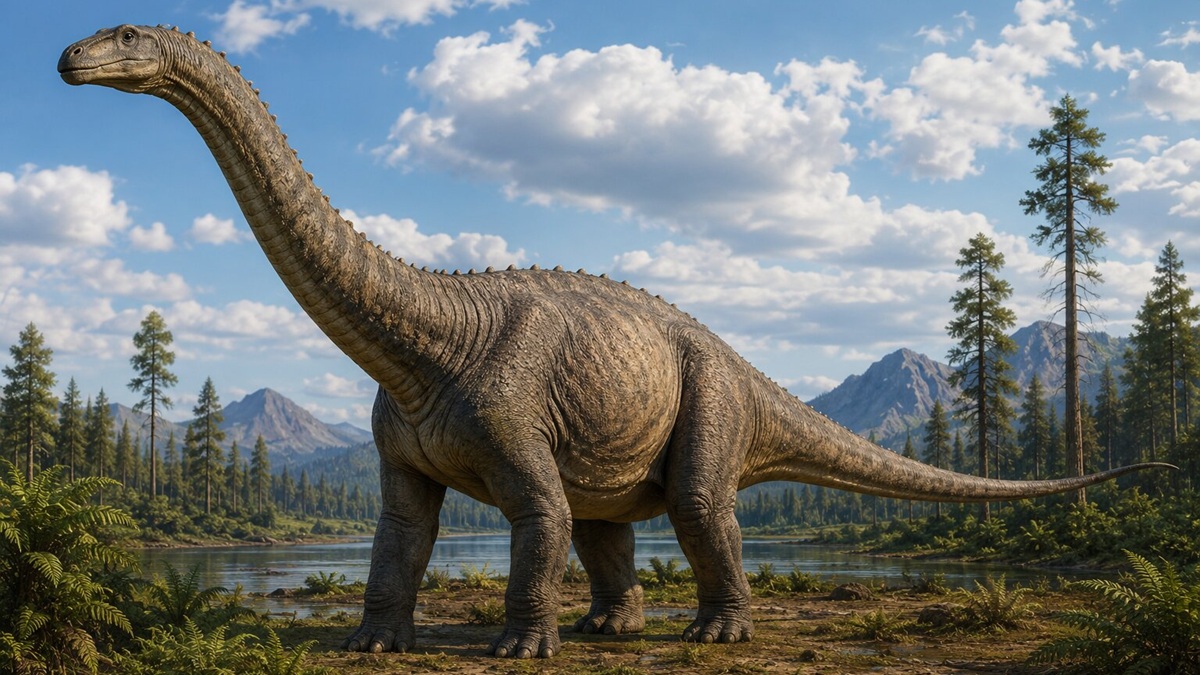
The titanosaur is estimated to have been about 7 meters long and lived around 82 million years ago during the Late Cretaceous period, a time when Antarctica was covered with greenery and forests.
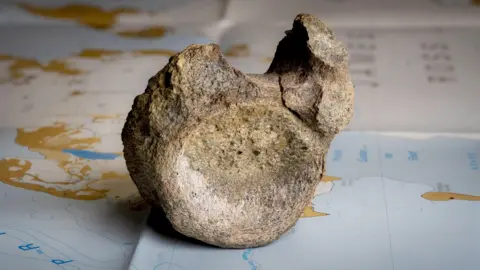
This discovery is particularly valuable as it is only the second sauropod bone found on the continent, highlighting the historical significance of the region's prehistoric ecosystem.1
)
The fossil was originally documented by geologist Dr. Mike Thomson, who noted its size and characteristics in a field notebook dated December 9, 1985. Only one other sauropod bone has ever been found on Antarctica, making this newly identified specimen incredibly valuable.210
The rediscovery of this fossil not only adds to the understanding of dinosaur diversity in Antarctica but also sheds light on the climatic conditions of the region millions of years ago.
“The identification of Antarctica's first dinosaur fossil as a titanosaur marks a significant paleontological discovery. This fossil, hidden for decades, provides insights into the region's prehistoric ecosystem.”

 The News International
 BBC
BBC Firstpost



