 BBC
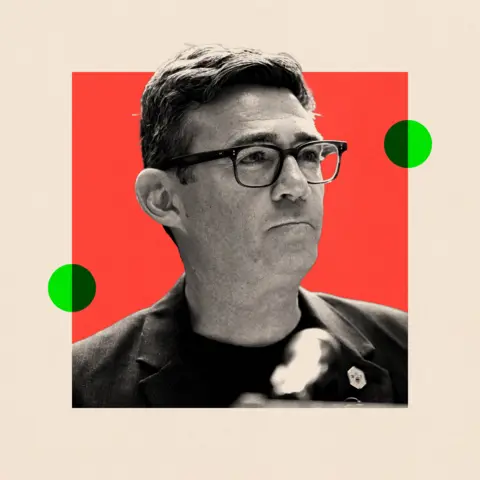
BBC- Andy Burnham is set to become the new UK prime minister on Monday, succeeding Sir Keir Starmer after he announced his resignation last month.
- Burnham received support from 349 out of 401 Labour Party lawmakers and was announced as Labour leader at a special party conference on Friday.
- Insiders describe Burnham as both a ruthless plotter and a dad dancer, highlighting his complex personality.
- Burnham aims to save the UK economy with his brand of business-friendly, locally empowered social democracy, termed Manchesterism.
- Britain's parliamentary democracy allows for a new prime minister to be appointed without a general election if the previous leader resigns.
- Starmer's resignation followed a series of political missteps and poor performance in local elections, prompting calls for his departure.
- Burnham's leadership style is characterized by a desire to be liked, which some insiders believe could be a distraction when facing challenges.
- Despite his popularity, there are concerns about Burnham's political direction and whether he can effectively tackle the UK's economic issues.
Andy Burnham will officially become the UK’s prime minister on Monday, succeeding Keir Starmer after a leadership challenge that highlighted his political acumen. Burnham, who garnered support from 349 out of 401 Labour lawmakers, is known for his blend of affability and ruthlessness.1
As the former mayor of Greater Manchester, Burnham oversaw significant economic growth in the region, and he aims to replicate this success nationally with his vision of “Manchesterism”, a business-friendly approach to social democracy. He has promised to deliver “a new era of possibility” for the UK, emphasizing the need for a “circuit breaker” to address the country’s challenges.5

Despite his optimistic outlook, some insiders express concerns about his ability to navigate the complexities of national governance. One cabinet minister remarked, “You can’t say with any certainty what kind of politics he is going to pursue.” Critics have labeled him a “flip-flopper”, but supporters argue that his adaptability is a strength in a changing political landscape.34
Burnham’s leadership style is characterized by a determination to set a clear agenda, with one ally stating, “There will only be room for his agenda.” However, as he prepares to take office, questions remain about whether he can effectively tackle the myriad economic issues facing the UK before the next general election, which must occur by mid-August 2029.
The transition of power will follow traditional protocols, with Starmer delivering a farewell speech before Burnham meets with the king to formally assume his new role. This ceremony marks a significant moment in British politics, as Burnham becomes the 59th prime minister of the UK.
“Burnham, former mayor of Greater Manchester, aims to bring 'Manchesterism' — business-friendly social democracy — to the UK. His ascent comes without a general election, as Labour changed leaders midterm after Starmer resigned amid poor polling.”


 AP News



