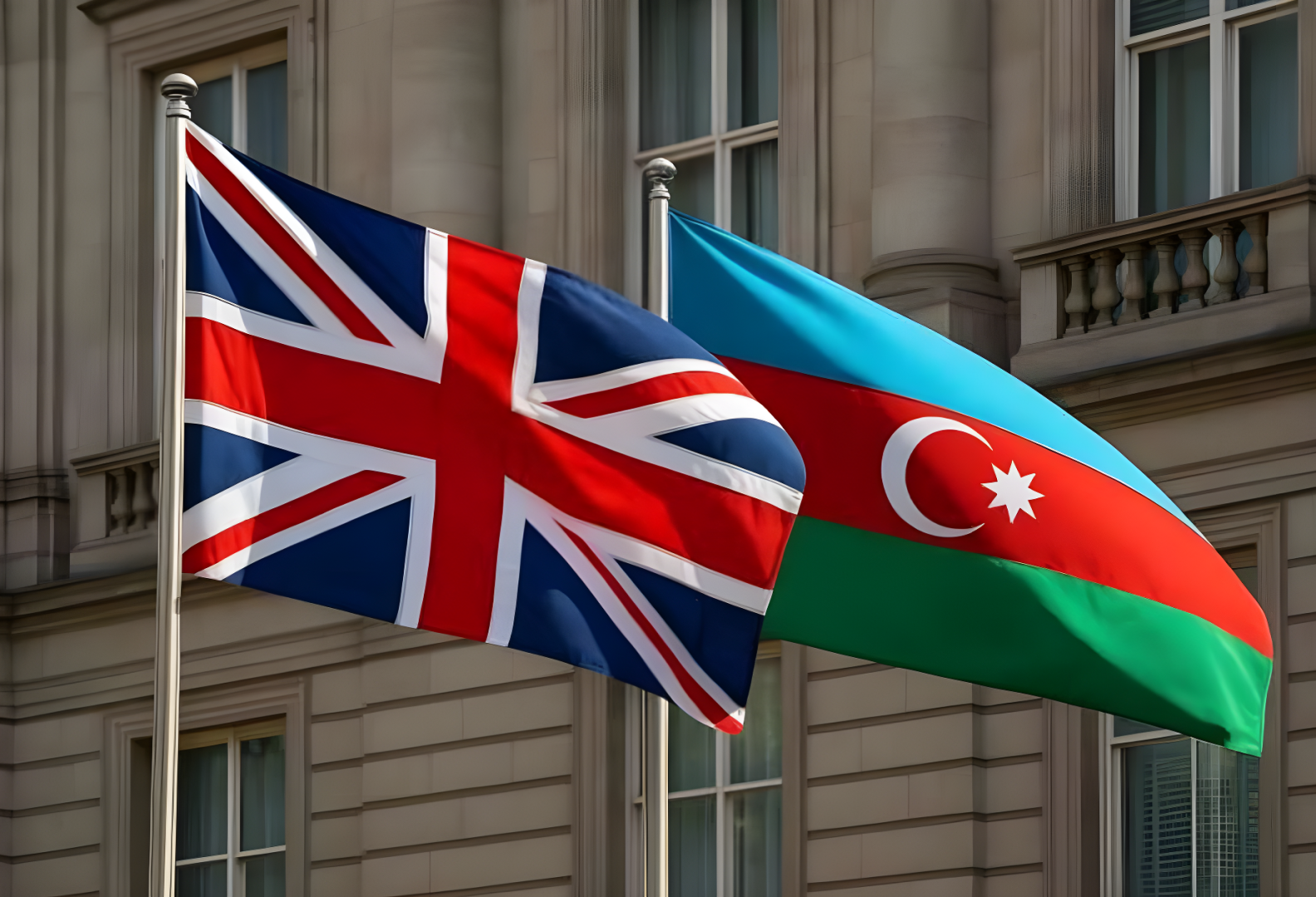
- Burnham is set to meet EU leaders in Brussels next week to sign agreements that could boost GDP by 0.4%, covering areas including food and farming, emissions trading, and a youth mobility scheme.
- Speaking at the European Political Community summit in Ireland, Burnham noted that requests are coming from both sides: "The requests are coming from the European side. We are putting our requests on the table too."
- Burnham argued that the Brexit people voted for in 2016 was not as hard as the one delivered in 2019, and expressed hope for a deal that is "good for Britain" and closer to what people voted for.
- Burnham did not rule out offering discounted tuition fees to young Europeans, saying he supports greater youth exchange between the UK and Europe.
- Burnham said his decision to reignite the UK-EU relationship debate has helped negotiations, but "there's a long way to go," and he pledged to "fight now, over the days to come, to make sure we get this deal over the line".
- Burnham disagreed with Lord Cameron's view that Britain's economic difficulties were not a consequence of Brexit, citing evidence and Treasury analysis that a good working arrangement could add growth.
- Burnham suggested Cameron's intervention was more about party unity than British interests, and clarified that no one is talking about rejoining, but rather a deal for the next seven days.
- The UK's Brexit reset summit with the EU will cover topics from cheaper food to lower energy bills and youth mobility, with Prime Minister meeting European Commission President Ursula von der Leyen and European Council President António Costa.
- A major food deal is considered the summit's biggest economic prize, aiming to cut costs for farmers and families, and could be worth £5.1bn a year.
- The food deal would scrap most export health checks and allow currently banned products back into the EU, also bringing back pet passports.
- The food deal carries political risk due to dynamic alignment and demands from EU member states, including potential linkage to university fees for EU students.
- A youth mobility scheme is being negotiated, with the main sticking point being the number of visas, as the UK has raised its cap to between 75,000 and 80,000 but Brussels wants 100,000.
- Another row in the youth scheme is over EU student fees, with Brussels wanting them moved back to domestic rates, but the UK resisting; a compromise of around £12,300 per year has been floated.
- EU leaders are expected to press the UK to contribute more to Ukraine's defence, as Kyiv faces a funding gap of around €70bn and the EU Commission claims it covers 80% of Ukraine's external financial needs.
- Talks on rejoining the EU's internal electricity market are ongoing, with potential costs of up to £10bn if the UK stays outside, and the EU wants Britain to pay into cohesion funds.

Andy Burnham is gearing up for crucial negotiations with EU leaders in Brussels next week, aiming to finalize a trade deal that could significantly impact the UK economy.
"There's a long way to go," Burnham acknowledged, but he remains hopeful about achieving a "win-win" agreement that aligns with the Brexit vision many voters had in 2016.
The proposed deal could boost the UK's GDP by 0.4%, focusing on key sectors such as food and farming, emissions trading, and youth mobility. Burnham stated, "I think it actually could be more like the Brexit that people thought they were voting for in 2016." He emphasized the importance of addressing requests from both sides, saying, "The requests are coming from the European side. We are putting our requests on the table too."

A major component of the negotiations is a food deal, which Burnham has prioritized, asserting it could be worth £5.1 billion annually and help alleviate pressure on supermarket prices. The deal aims to simplify export regulations, potentially scrapping costly health certificates for food shipments to the EU.
However, challenges remain, including discussions around university fees for EU students and the number of visas available. Burnham noted, "There's a lot of issues on the table as part of a deal and I'm certainly one that supports greater youth exchange between the UK and Europe." As the summit approaches, the stakes are high for both the UK and EU leaders, with Burnham pledging to "fight now, over the days to come, to make sure we get this deal over the line."
“The food deal, potentially worth £5.1bn a year, would scrap most export health checks and bring back pet passports. However, some EU member states are pushing to link the deal to cutting university fees for EU students, a compromise of around £12,300 per year has been floated.”
Liverpool Echo