- Transport Secretary Heidi Alexander stated she is '100% sure' the new bus fare cap is fully funded, emphasizing that the government is 'reprioritising spending'.
- Prime Minister Andy Burnham announced that single bus fares across England will be capped at £2 starting January 2027, as part of a cost of living initiative.
- The £2 cap on bus fares reverses a previous increase and will remain in effect throughout 2027.
- Burnham has pulled back from potential plans to increase the tax-free personal allowance amid the announcement of the fare cap.
- The bus fare cap scheme is expected to cost over £500m, with funding sourced from reallocating investments and savings from the Department for Energy Security and Net Zero.
- Chancellor John Healey stated that the fare cap is funded by savings made elsewhere, ensuring there is 'no burden to British taxpayers'.
- Conservative shadow chancellor Mel Stride questioned the government's funding sources for the fare cap, stating they have not specified where the money will come from.
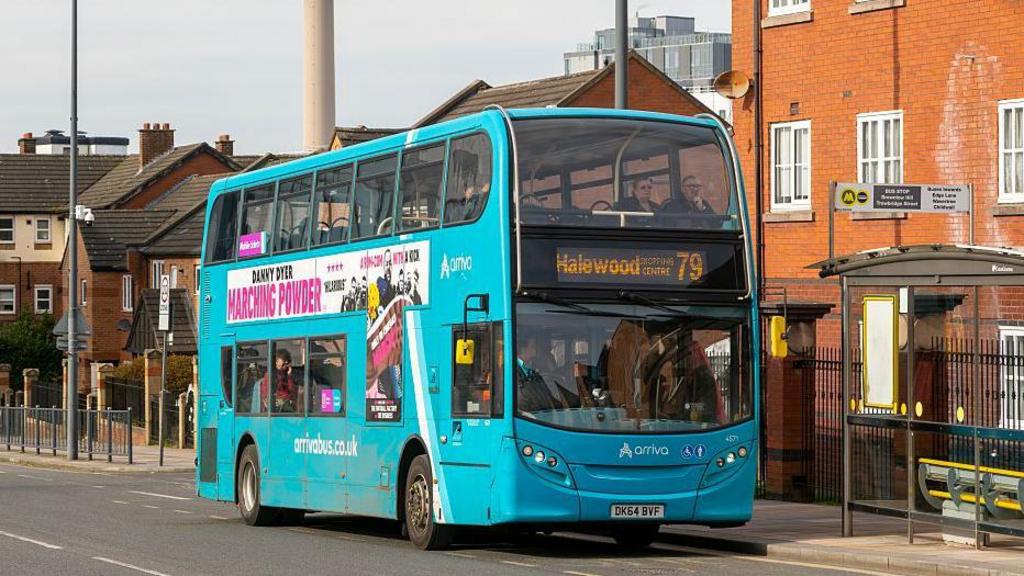
Prime Minister Andy Burnham's announcement of a £2 cap on bus fares across England, effective January 2027, aims to alleviate the cost of living for millions.345
“Good, affordable transport links are essential. No one should be priced out,” Burnham stated, emphasizing the need for accessible transport.
The cap, which reverses a previous increase to £3, is expected to cost over £500 million. Transport Secretary Heidi Alexander confirmed, “I’m 100% sure” the funding is secure, sourced from reallocating funds from international climate finance to loans and savings from the Department for Energy Security and Net Zero.12
Critics, including Darren Jones and Mel Stride, have raised concerns about the funding's legitimacy, questioning, “Where is the money coming from?” The government insists the measure will not burden taxpayers, with Chancellor John Healey stating, “This action to ease the cost of living is funded by savings made elsewhere.”7
The fare cap is part of Burnham's broader strategy to support working families and stimulate local economies, with the government aiming to provide “breathing space” for those struggling financially. The initiative reflects a shift in policy direction under Burnham's leadership, as he seeks to prioritize affordable transport solutions.
“Set to take effect from January 2027 outside London, the £2 cap reverses an increase implemented by the previous government and is expected to cost over £500m. Approximately £400m of funding comes from switching international climate finance to loans, while the bus trade body CPT is demanding a fair reimbursement model for operators.”


 The GuardianThe Guardian



