- Andy Burnham stated that he thinks social care in England is as unfair as American healthcare, emphasizing that the vulnerable pay with everything and can be left with nothing.
- Burnham expressed a desire to immediately focus on the social care workforce, highlighting a fair pay agreement set to come into force from 2028/29 as a massive building block of a national care service.
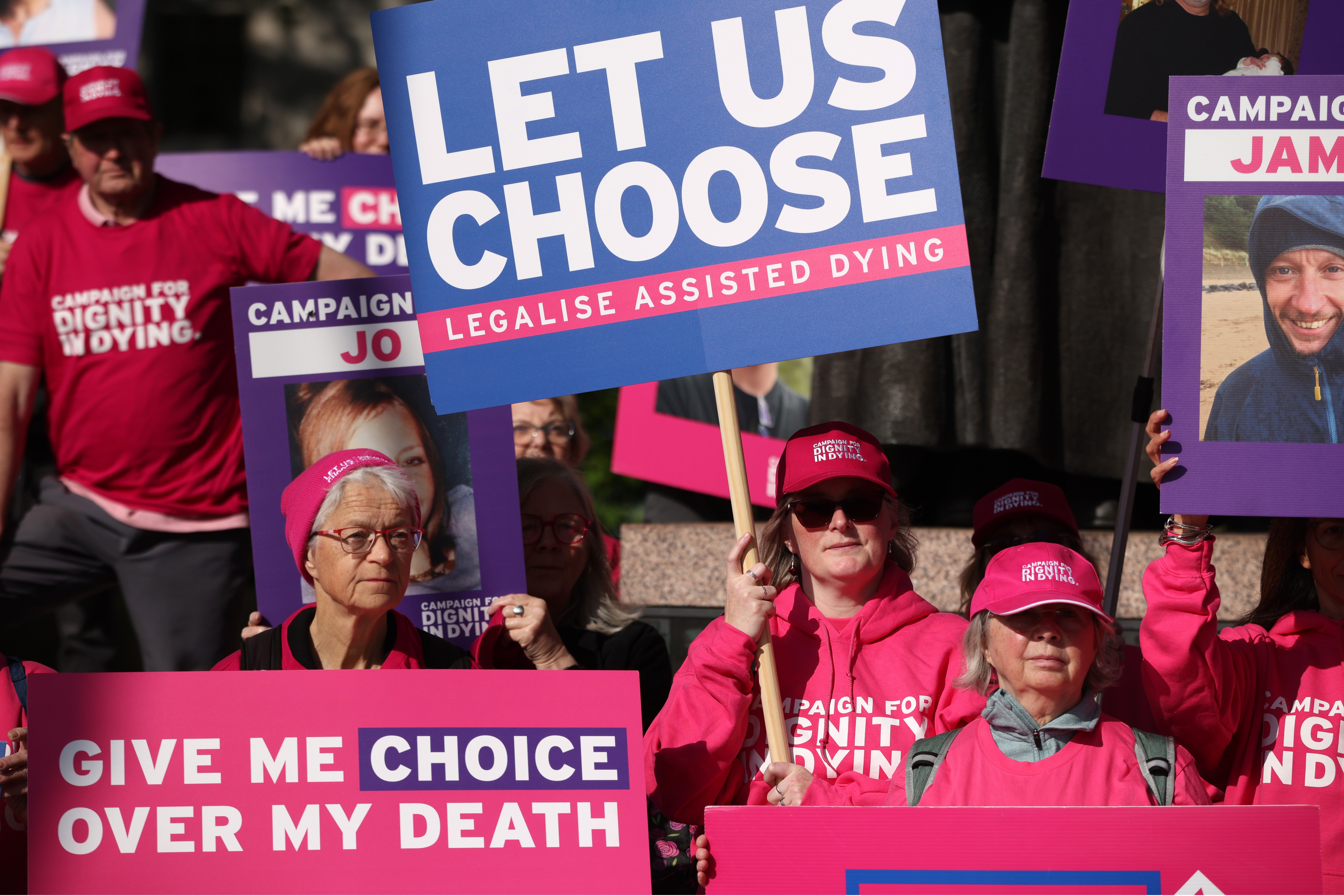
- Lauren Edwards, the MP behind the Terminally Ill Adults (End of Life) Bill, insisted that end-of-life care can be improved alongside legalizing assisted dying, believing that palliative care needs to be fixed first.
- Burnham added that his proposals were intended to stop the unfairness in social care, stating: "If everybody on the NHS principle contributed a little, it would mean everybody could protect the majority of what they'd worked for."
- Improving social and palliative care and offering choice in the last weeks of a dying person’s life can and must go hand in hand.
- The Bill that has been before Parliament since October 2024 provides for a four-year implementation period.
- If the current Bill becomes law next year, there would be until 2031 to fix the status quo that Andy Burnham says is broken.
- Jess Asato, a Labour MP and opponent of the Bill, welcomed Mr Burnham’s position, stating: 'There can be no meaningful choice and no dignity at the end of life if we don’t have a palliative care system that provides basic support for the vulnerable.'
Andy Burnham has urged for a unified approach to reforming social care in the UK, asserting that its inequities mirror those of the American healthcare system. He stated, "I think social care in England is as unfair as American healthcare. The vulnerable pay with everything and it can completely leave them with nothing."127
Burnham highlighted the urgency of addressing the social care workforce, advocating for a fair pay agreement set to take effect by 2028/29, which he described as a "massive building block of a national care service."
He acknowledged the potential necessity for tax increases to fund these reforms, emphasizing the importance of collective contributions to protect individuals' assets. "If everybody on the NHS principle contributed a little, it would mean everybody could protect the majority of what they'd worked for," he explained.
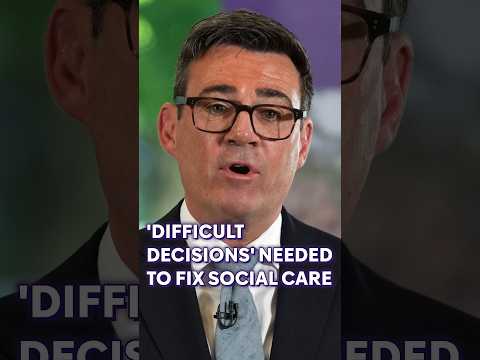
Burnham's call for reform comes after 22 failed attempts to address the social care crisis over nearly three decades, underscoring the need for immediate action. The Prime Minister also recognized the situation as a "major dereliction of public duty" by past governments, indicating that "difficult decisions" on funding are necessary to rectify the longstanding issues in the system.
As discussions continue, Burnham's proposals aim to ensure that vulnerable individuals receive the care they deserve without facing financial ruin, a sentiment echoed by Labour MP Jess Asato, who stated, "There can be no meaningful choice and no dignity at the end of life if we don’t have a palliative care system that provides basic support for the vulnerable."
“Burnham emphasized the need to focus on the social care workforce, highlighting a fair pay agreement set for 2028/29 as crucial. Meanwhile, Jess Asato, a Labour MP, stressed that dignity at the end of life requires a robust palliative care system and affordable social care.”
 The Independent