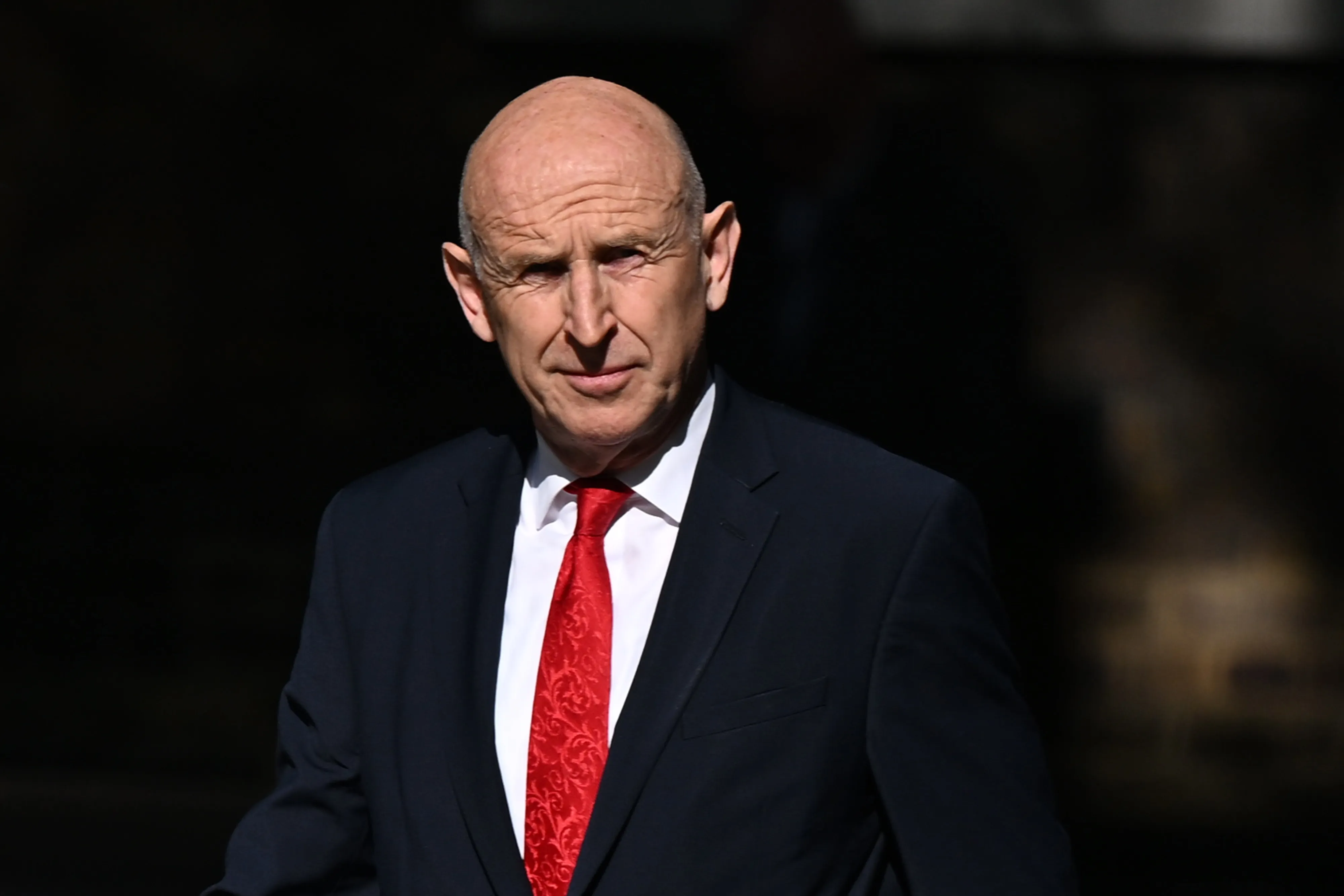
- Andy Burnham called for a bold but prudent Labour government during his first cabinet meeting, emphasizing the need for fiscal prudence.
- Burnham understands the need for immediate breathing space on the cost of living as a down payment on a 10-year plan, and must earn voters' trust while deferring gratification in an era of short attention spans.
- Burnham called for fiscal discipline and a real commitment to fiscal rules, describing the decisions as "crucial".
Andy Burnham, the newly appointed Prime Minister, is advocating for a bold yet prudent Labour government that prioritizes fiscal discipline while addressing pressing issues like the cost of living. In his first cabinet meeting, he stressed the importance of re-prioritizing and making difficult decisions to demonstrate commitment to fiscal rules.145
Burnham's approach comes in the wake of Labour's disappointing performance in local elections, where his personal brand outshone the party's logo. He is aware of the need for “breathing space” on immediate economic concerns, viewing it as a necessary step towards achieving long-term improvements in collective wellbeing. His strategy involves earning voters' trust in an era where politics is dominated by short attention spans and constant campaigning.23
As a vocal critic of Westminster's dysfunction, Burnham navigates Labour's internal factions with ease, positioning himself as a leader with a 10-year plan that requires patience from the electorate. He aims to hold voters' attention while deferring their gratification, a challenging task in today's political climate where incumbents are often easy targets.
Burnham's vision is clear: to balance immediate needs with a long-term strategy that resonates with the public, ensuring that his government is both bold and prudent.
“In his first cabinet meeting, Burnham emphasized fiscal prudence and called for real commitment to fiscal rules, describing the decisions as 'crucial'. He understands the need for immediate 'breathing space' on the cost of living as a down payment on a 10-year plan, while needing to earn voters' trust in an era of short attention spans.”


 The Guardian



