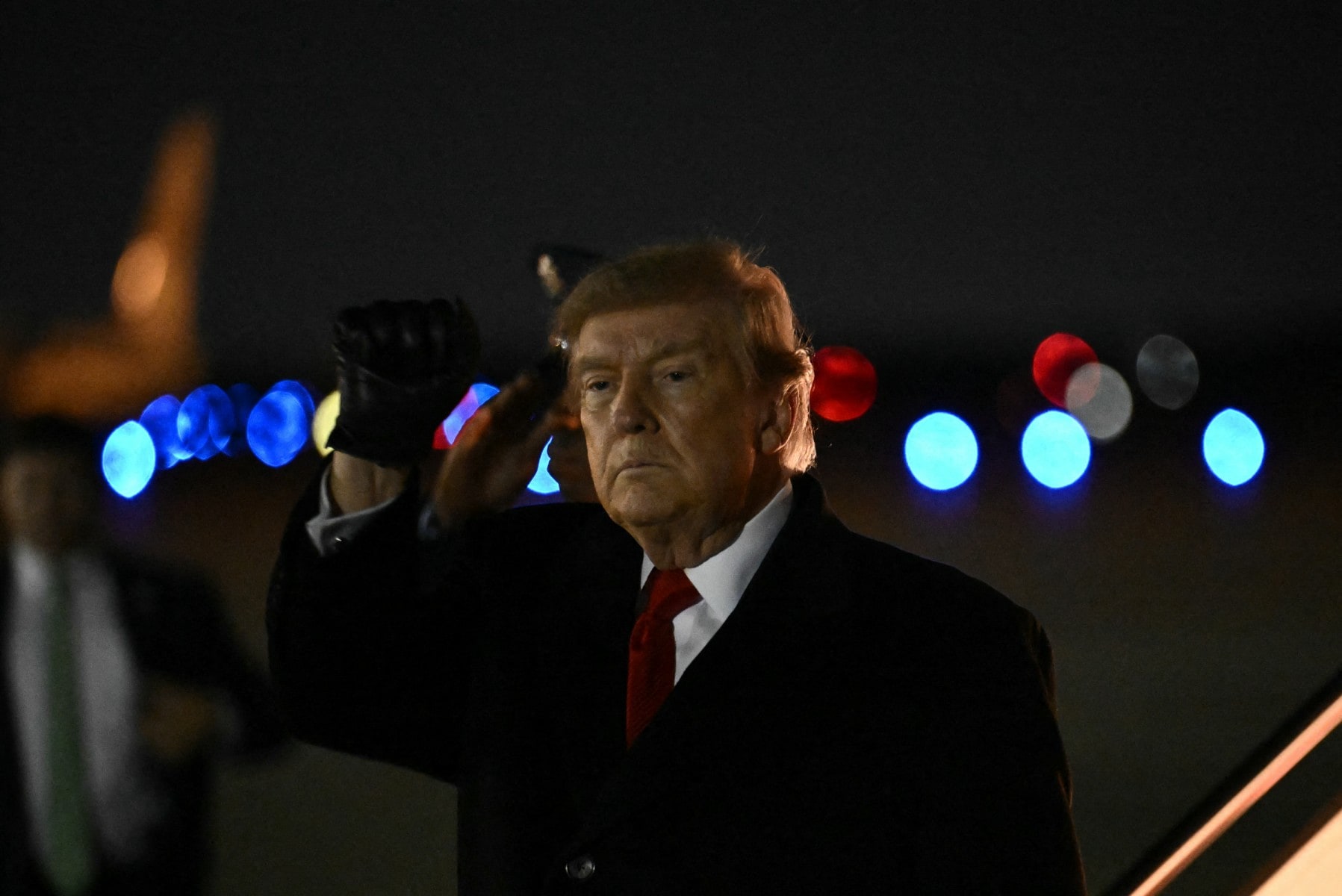
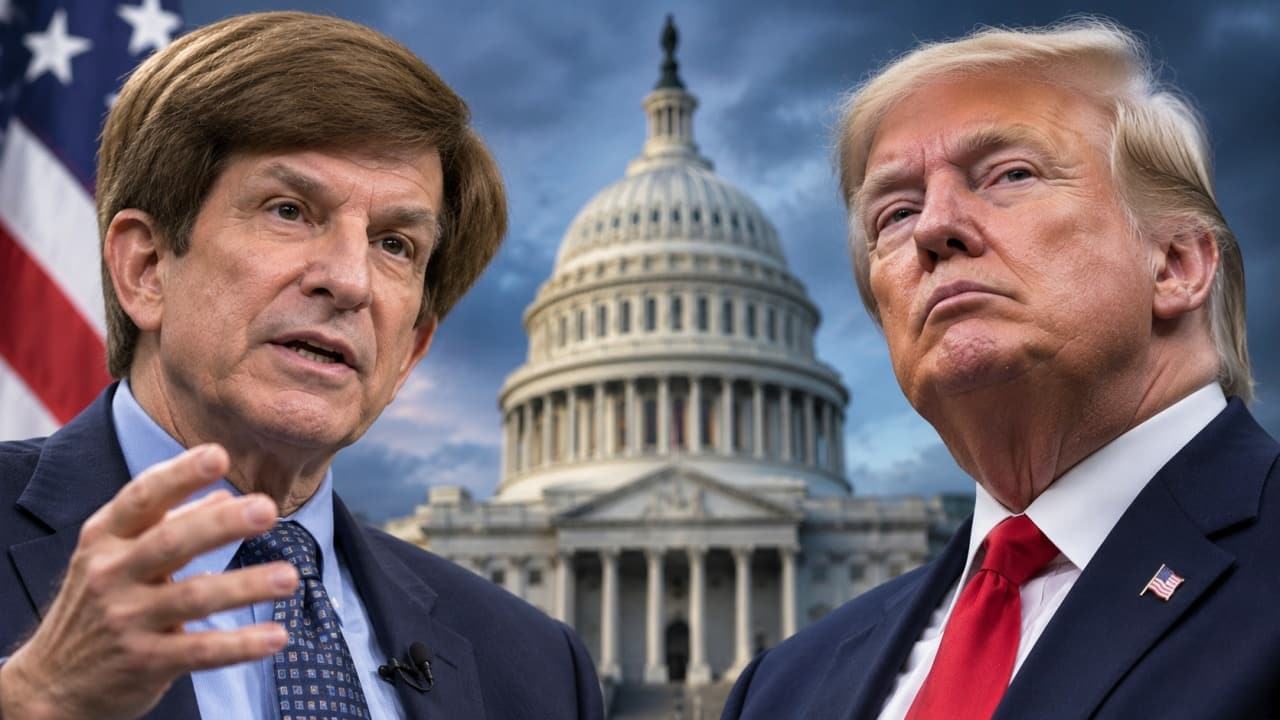
- Trump has held more than two dozen campaign rallies since the start of October, primarily in states he won in 2024, indicating a defensive strategy.
- Nonpartisan analysts favor Democrats to win the House, while the Senate remains uncertain.
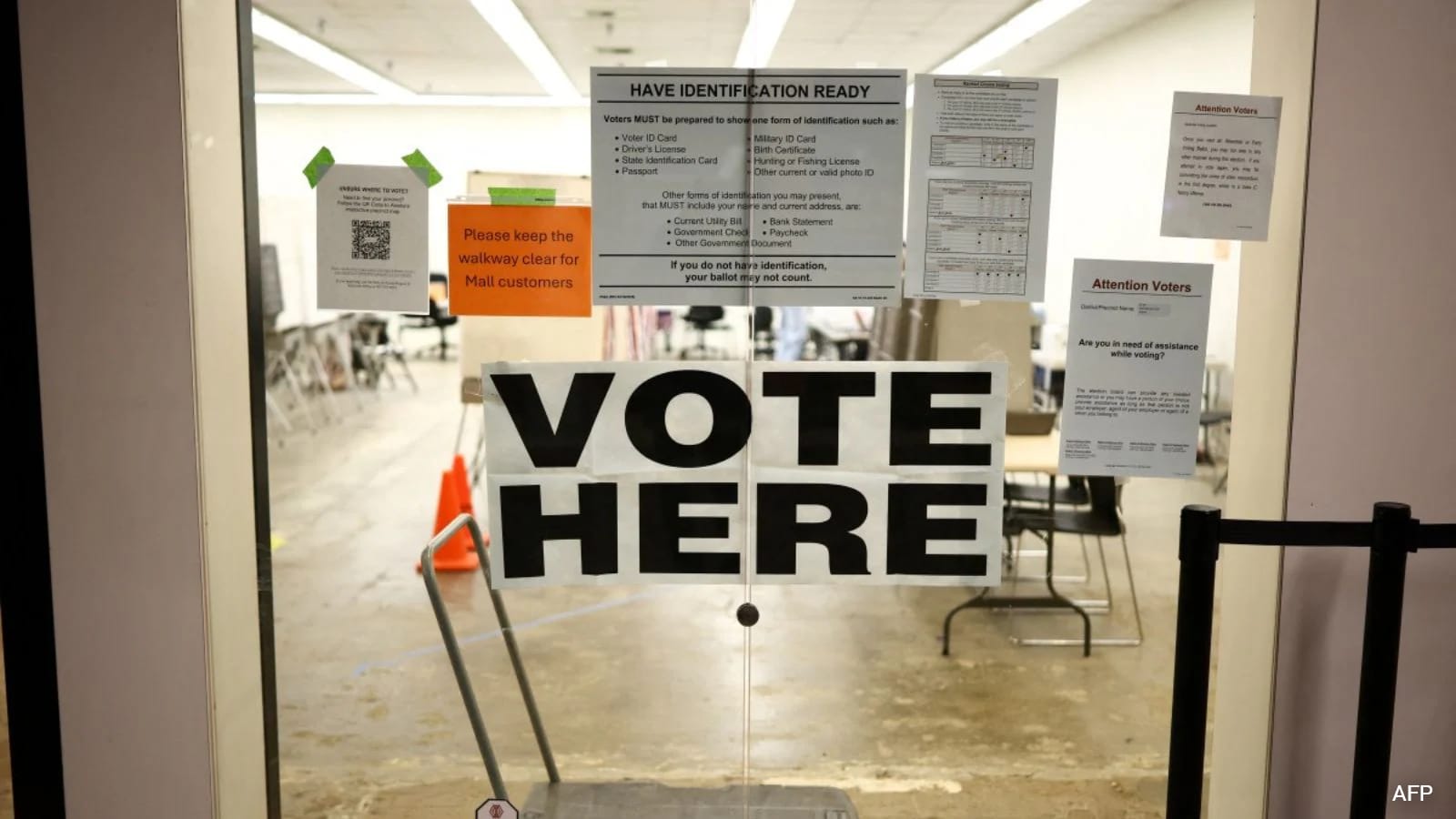
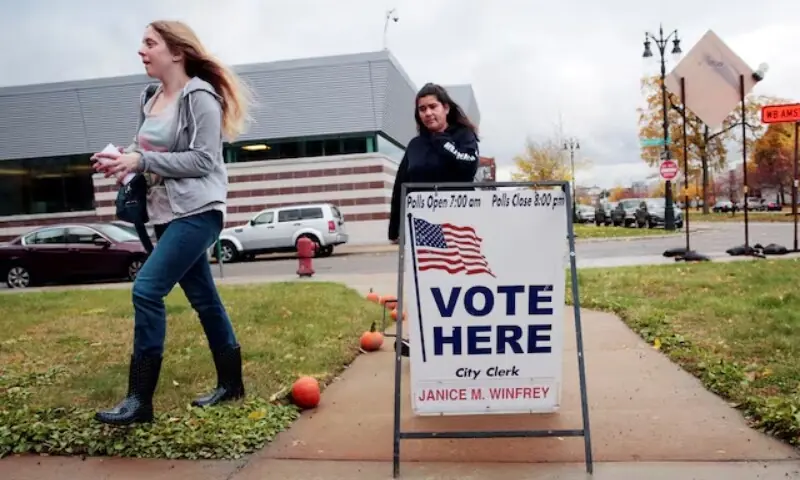
- Polls begin to close within hours, with Americans casting their verdict on Trump and Congress.
- Tuesday's elections include 36 governor races, thousands of state legislative contests, and ballot measures on issues like a billionaires' tax and abortion rights.
- Historical trends are unfavorable for the president's party in midterms, which could affect Republicans.
- Trump's approval is near all-time lows due to economic issues and rising fuel prices.
- Republicans portray Democrats as radical and un-American, but voters prioritize affordability and disapprove of Trump's policies that increased costs.
As the midterm elections approach their conclusion, analysts indicate a strong possibility for Democrats to gain control of the House, a shift that could reshape the political landscape.
Surveys suggest that Trump's Republicans face significant challenges, particularly given historical trends where the sitting president's party has lost seats in Congress during midterms, with only two exceptions since World War Two.
Trump's approval ratings are at an all-time low, influenced by rising fuel prices and economic concerns. Voters express dissatisfaction with his handling of affordability issues, particularly following his tariffs on imports and foreign policy decisions that have exacerbated domestic costs.
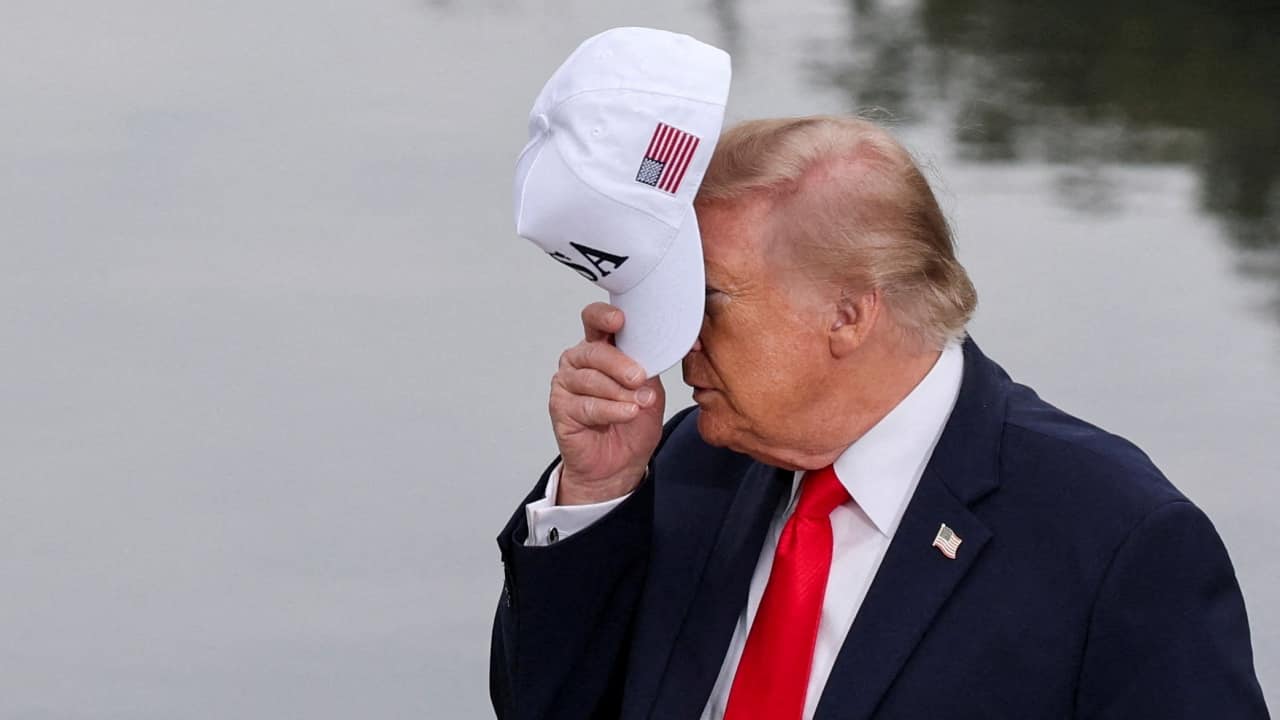
In response, Trump has attempted to galvanize his base through over two dozen campaign rallies, primarily in states he previously won, highlighting the defensive posture of Republicans as they seek to maintain their foothold in Congress.
Meanwhile, Republicans have characterized Democratic candidates as radical and un-American, yet public sentiment appears to prioritize economic issues over partisan rhetoric. With 36 gubernatorial races and numerous state-level contests also on the ballot, the outcome of these elections could have lasting implications for both parties.
“Polls show voters prioritize affordability, disapproving of Trump's tariffs and Iran strikes that raised costs. History is against Republicans, as the president's party has lost seats in all but two midterms since World War Two.”