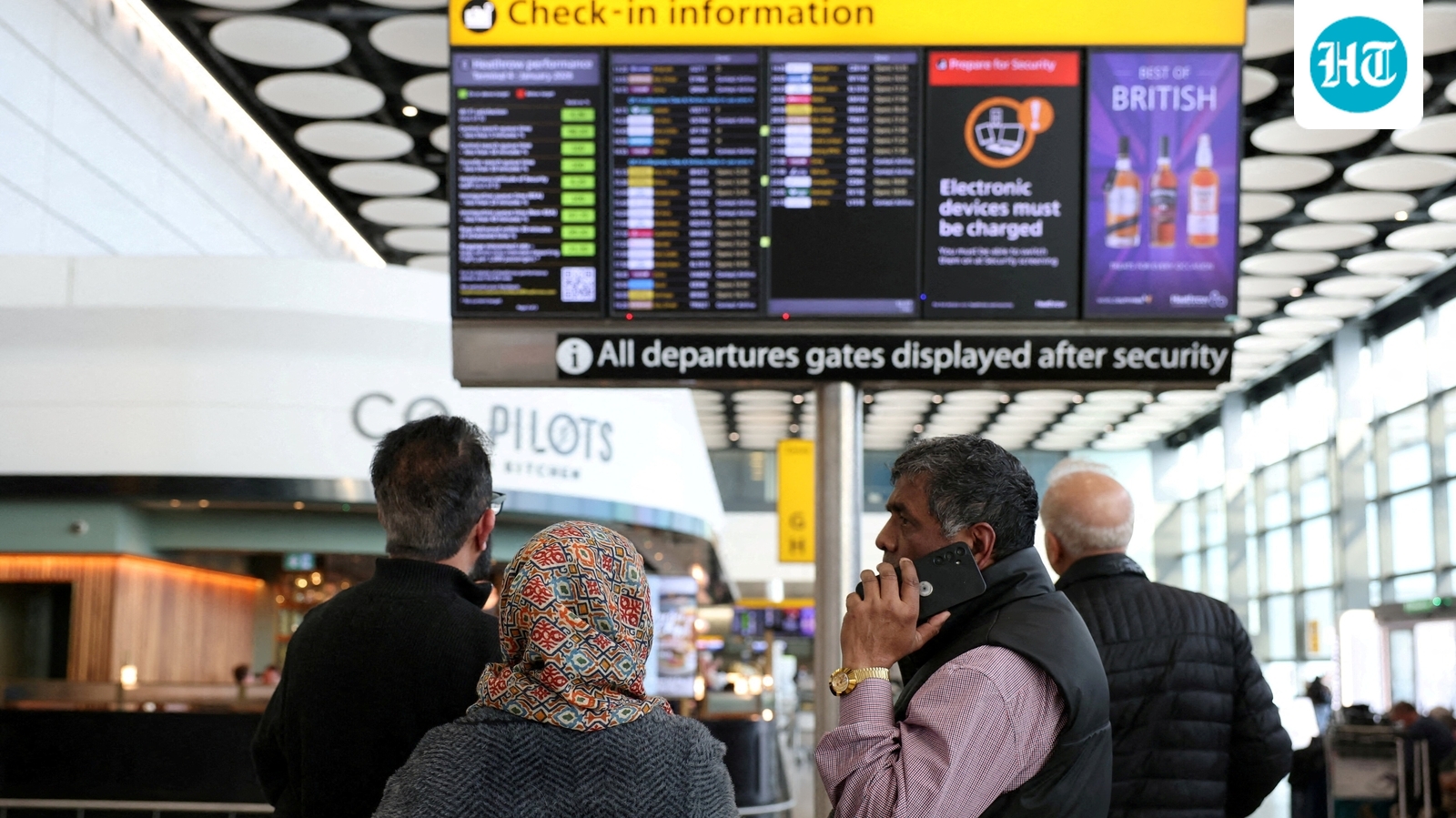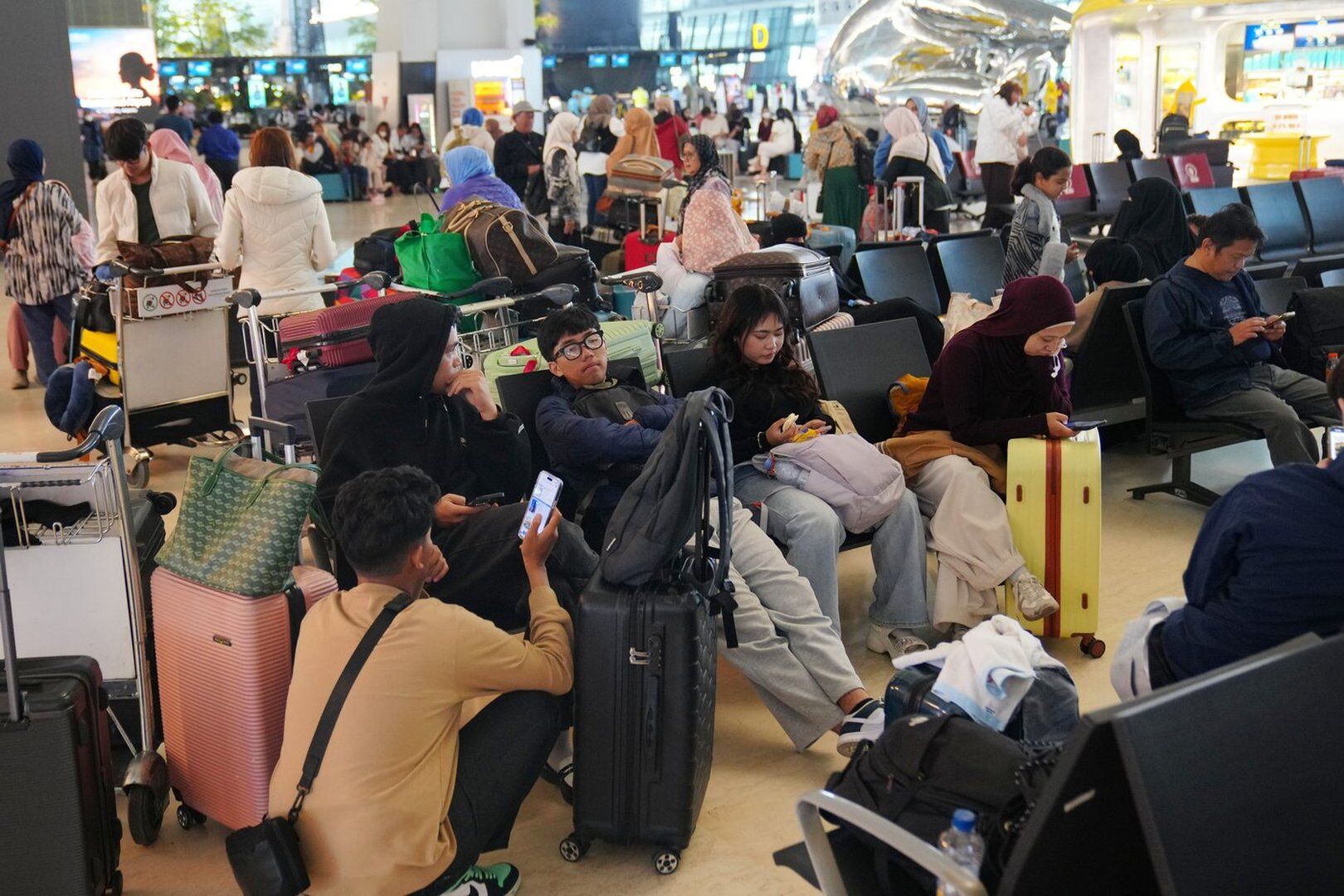
- Air traffic control issue triggers widespread delays and cancellations at UK airports.
- Departure boards at London airports Heathrow, Gatwick, and Stansted showed dozens of flights delayed or canceled, and other airports including Manchester also reported disruption.
- The issue caused more than 200 flight cancellations across the UK, according to aircraft tracker Flightradar24.
- Heathrow and Gatwick told CNN that flights departing from their airports were impacted by the air traffic control issue.
- Departures have since resumed at Heathrow, but arrivals remain canceled, according to a statement from the airport on Tuesday, which added: “Disruption is expected to continue.”
- The company that runs the affected system said on Tuesday that the issue had been fixed, but delays at airports remain ongoing.
- NATS, the UK’s leading provider of air traffic control services, said the recovery “has taken longer than we had hoped,” and added: “We know this is hugely frustrating and apologise unreservedly,” noting it is now operating normally and working to clear the backlog of flights.
Major disruption at UK airports continues following an air traffic control outage that affected operations at Heathrow, Gatwick, and Stansted. The incident led to over 200 flight cancellations and significant delays, impacting around 65,000 passengers according to Ryanair.67
Heathrow reported that while departures have resumed, arrivals remain canceled. The air traffic control provider, NATS, stated that the issue has been resolved but acknowledged that recovery has taken longer than expected. NATS expressed its apologies, emphasizing that it is now operating normally and working to clear the backlog of flights.
“Disruption is expected to continue,” Heathrow noted, as passengers face ongoing challenges. Other airports, including Manchester, also reported similar disruptions, highlighting the widespread impact of the outage across the UK aviation network.23
The air traffic control issue has raised concerns about operational resilience, as travelers navigate the aftermath of the disruptions. With the busy travel season approaching, the situation underscores the need for robust contingency plans in air traffic management.1
“NATS, the UK's leading air traffic control provider, said the recovery 'has taken longer than we had hoped' and apologized unreservedly, noting it is now operating normally and working to clear the backlog. Heathrow resumed departures but arrivals remain canceled, with the airport warning 'disruption is expected to continue.'”