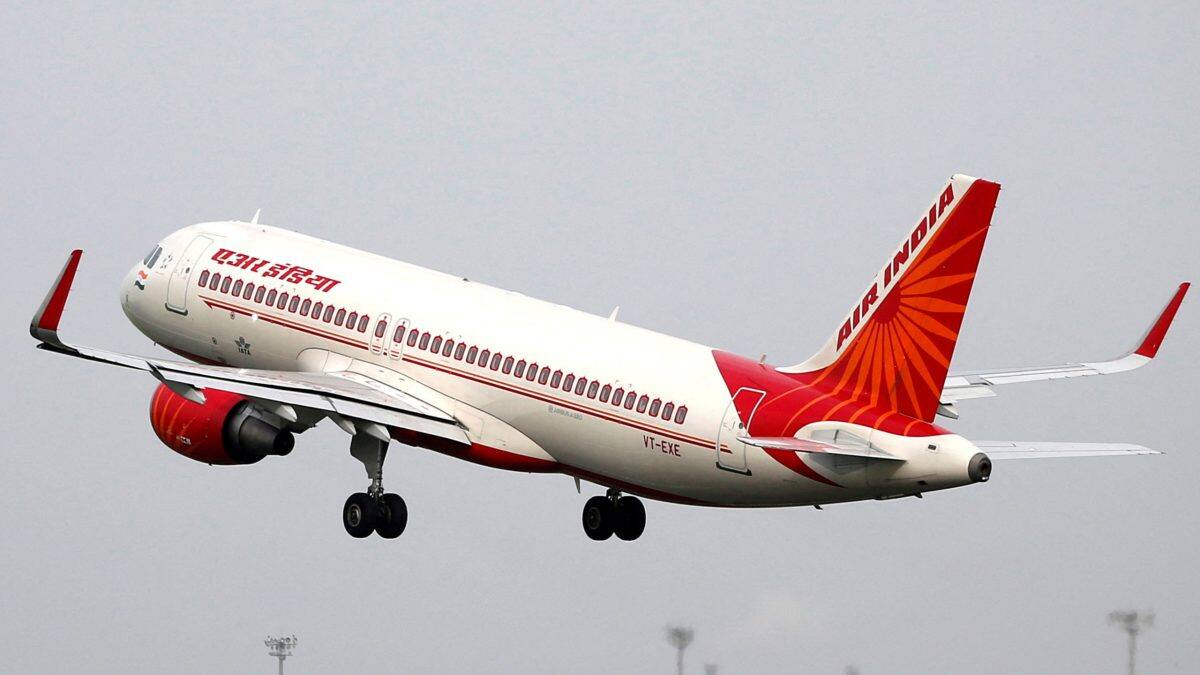
- Air India is seeking about $1.5 billion in fresh equity from its owners Tata Sons and Singapore Airlines, months after the second-largest Indian airline posted a record annual loss.
- The carrier and its budget unit Air India Express posted combined losses of $2.33 billion in the fiscal year ended March, more than double the prior year's losses.
- Discussions are ongoing and no final decision has been taken on the request for funding.
- Tata Sons Chair N. Chandrasekaran prepares to step down in February following disagreements with the group's controlling charitable trust, partly over Air India's losses.
- The proposed funding would be one of Air India's largest publicly reported requests for shareholder capital since Tata took control of the former state-owned carrier in 2022.
- Air India has also been hit by Pakistan's airspace ban on Indian carriers and disruptions to its international network from the U.S.-Israeli war with Iran.
- Chandrasekaran has said Air India's turnaround could take up to a decade, citing persistent supply-chain disruptions and the need to overhaul the airline's legacy systems, culture, and fleet.
- Air India is spending heavily to refurbish its existing fleet and improve its passenger experience while also placing large aircraft orders with Airbus and Boeing.
Air India is pursuing about $1.5 billion in fresh equity from Tata Sons and Singapore Airlines as it grapples with significant financial challenges, including a record $2.33 billion loss in the last fiscal year. This funding request marks one of the largest since Tata took control of the airline in 2022.125
The airline's financial woes have been exacerbated by various factors, including Pakistan's airspace ban on Indian carriers and disruptions to its international network due to the U.S.-Israeli war with Iran. Additionally, the fallout from a deadly crash last year that resulted in 260 fatalities has further impacted its operations.6
Tata Sons Chairman N. Chandrasekaran has indicated that the turnaround of Air India could take up to a decade, citing persistent supply-chain disruptions and the need for a comprehensive overhaul of the airline's systems and fleet. The proposed capital infusion is expected to occur in tranches, with Singapore Airlines, which holds a 25% stake in Air India, needing to contribute its share for the investment to proceed.7
Despite the ongoing discussions, no final decision has been made regarding the funding request, as sources indicate that Air India will likely continue to require capital infusions in the coming years to support its costly turnaround efforts.3
Air India has also sought to defer deliveries of hundreds of jets on order from Airbus and Boeing as part of its strategy to cut costs and mitigate record losses.
“The request follows combined losses of $2.33 billion for Air India and Air India Express in the fiscal year ended March, more than double the prior year's deficit. Singapore Airlines, which owns about 25% of Air India, would need to contribute its share for the investment to proceed.”
 Firstpost