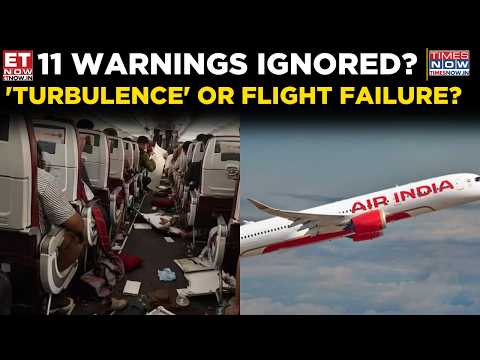
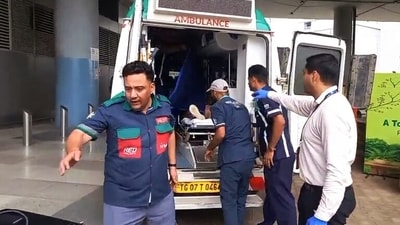
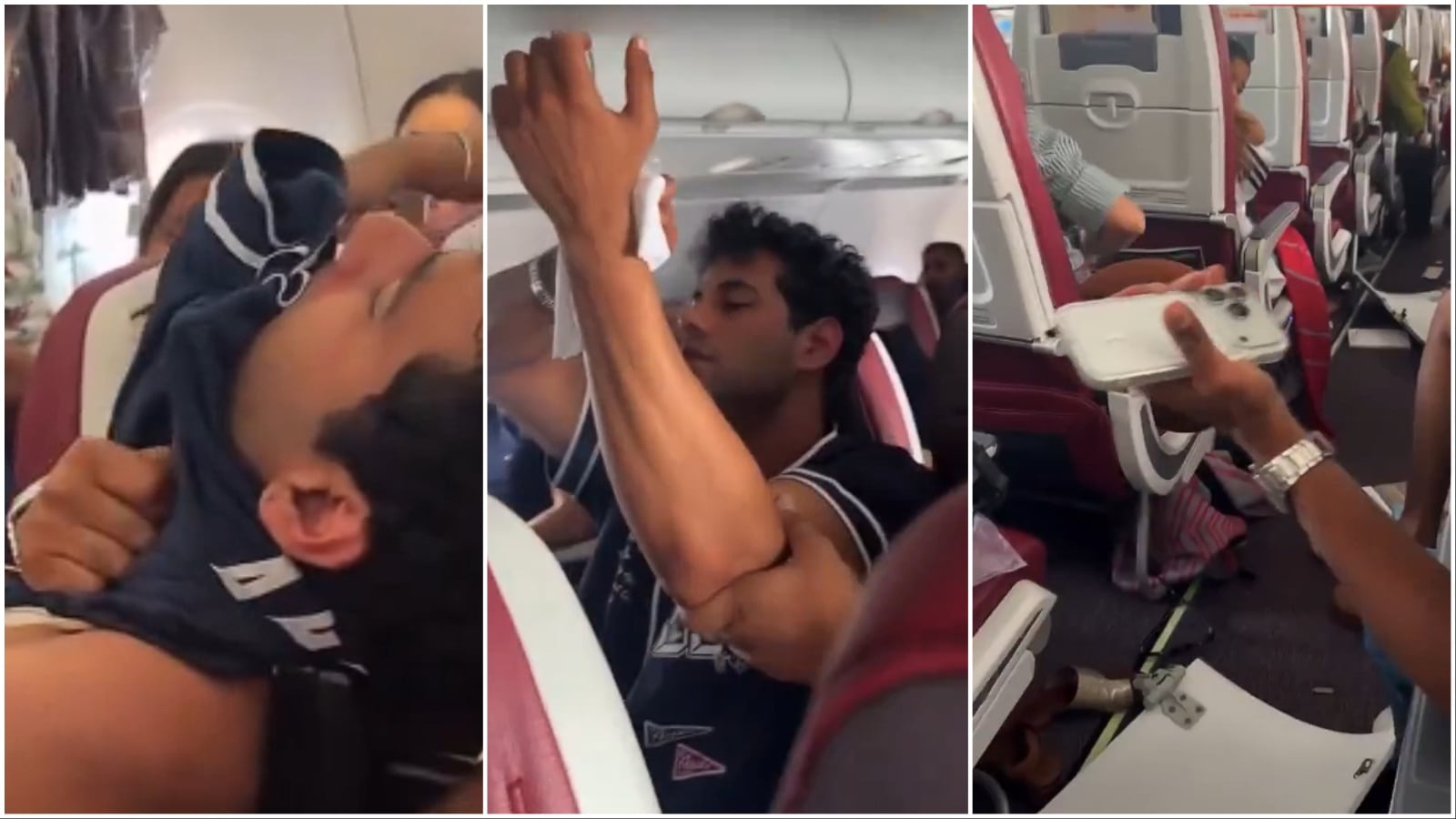
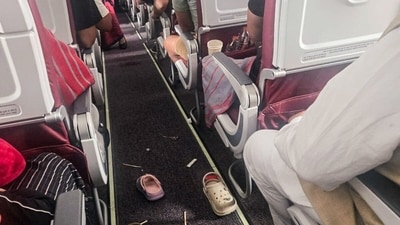
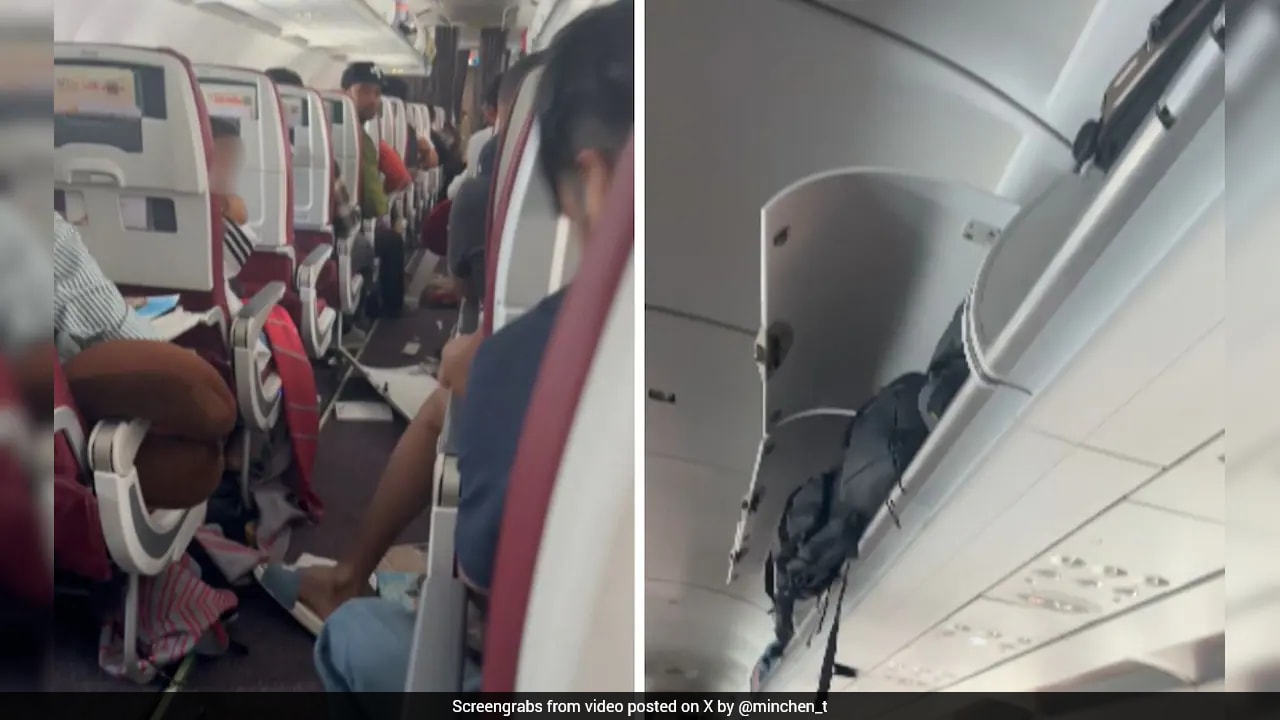
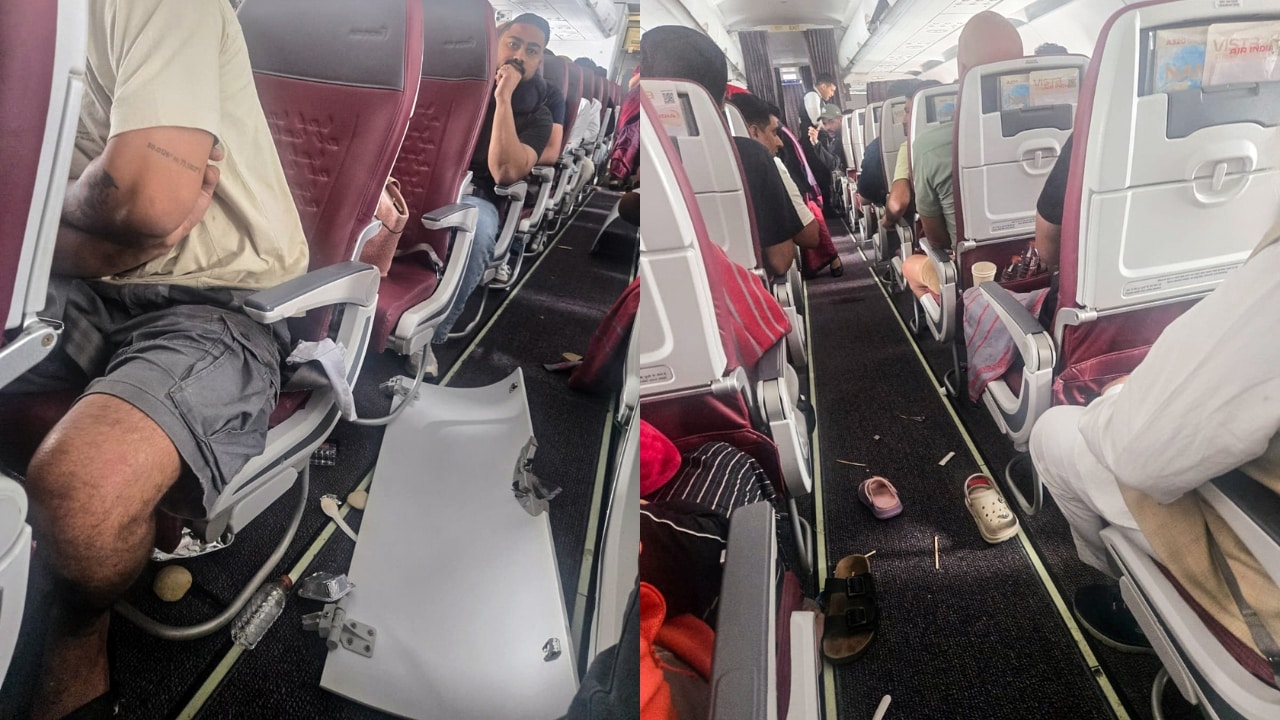
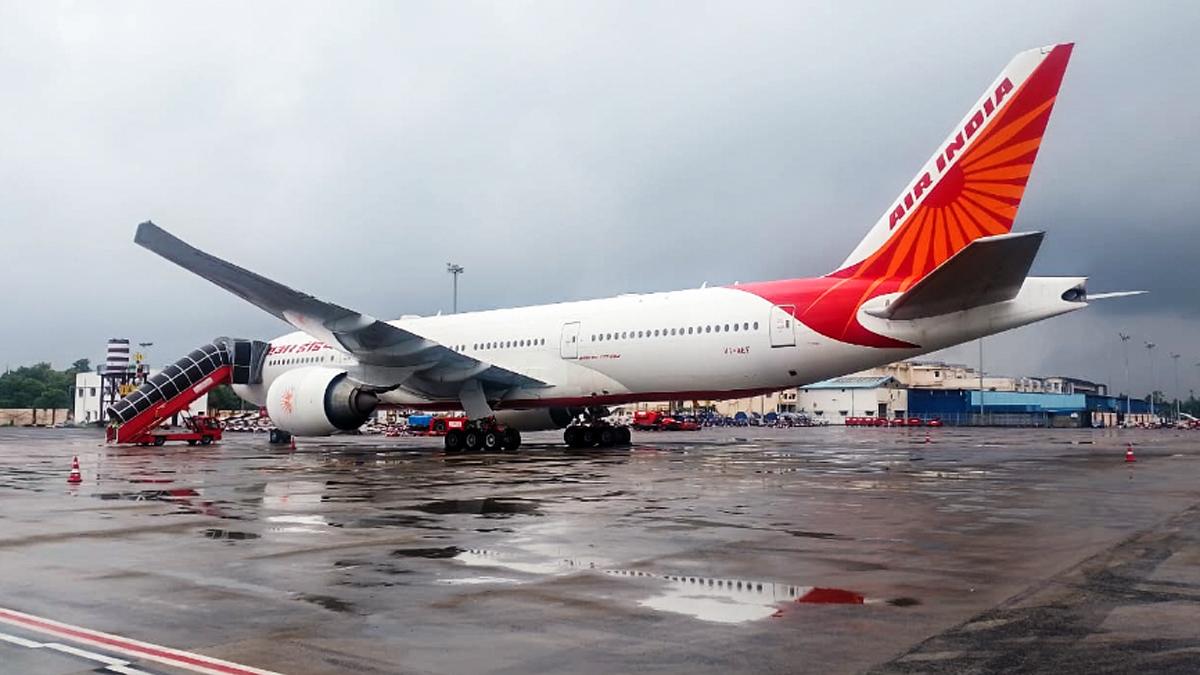
- On August 4, an Air India flight from Phuket to Delhi lost about 300 feet of altitude over Odisha, injuring at least 20 passengers and four crew members.
- The pilot-in-command subsequently tested positive for marijuana in a drug test twice.
- Air India announced a full screening of all pilots for prohibited substances starting from August 13, as conveyed via email from Senior Vice President Manish Uppal.
- Testing will be conducted at the Gurgaon Academy or post-flight at airports, going beyond DGCA regulations.
- The decision to conduct comprehensive screening of Air India’s pilots was conveyed to the airline’s cockpit crew through an email.
- An incident report indicates that the pilot was not in his seat, with the co-pilot in command when the flight lost altitude; sources indicate he later went to the cabin to check on injuries and told passengers not to film him or the aircraft.
Air India has announced mandatory dope tests for all pilots starting August 13, 2026, following a serious incident where a flight lost altitude, injuring 24 people. The pilot in command tested positive for marijuana, prompting the airline to enhance its safety protocols.23
The decision was communicated to the cockpit crew via email, emphasizing the airline's commitment to safety. “This initiative, which goes beyond regulatory requirements, reflects our determination to uphold the highest standards of safety and professionalism,” stated Senior Vice President, Flight Operations, Manish Uppal.5
The testing will occur during pilot training at Air India’s Gurgaon Academy or post-flight at various locations. “For decades, Air India has been the flagbearer of Indian aviation,” the airline noted, highlighting the importance of maintaining trust with passengers and the community.4
The incident that triggered this decision involved a flight from Phuket to Delhi on August 4, where the aircraft lost approximately 300 feet of altitude. At least 20 passengers and four crew members suffered injuries, and the pilot was reportedly not in his seat during the incident. The airline aims to reassure stakeholders and the public through these enhanced safety measures.1
Air India has stated that it already complies with all regulatory requirements set by India's DGCA, but believes it is crucial to go further in ensuring safety standards.
“The pilot-in-command was not in his seat when the flight lost altitude, with the co-pilot in command, and he later told passengers not to film him. Air India's letter emphasizes going beyond DGCA regulations to protect passenger trust, with testing at the Gurgaon Academy and post-flight.”