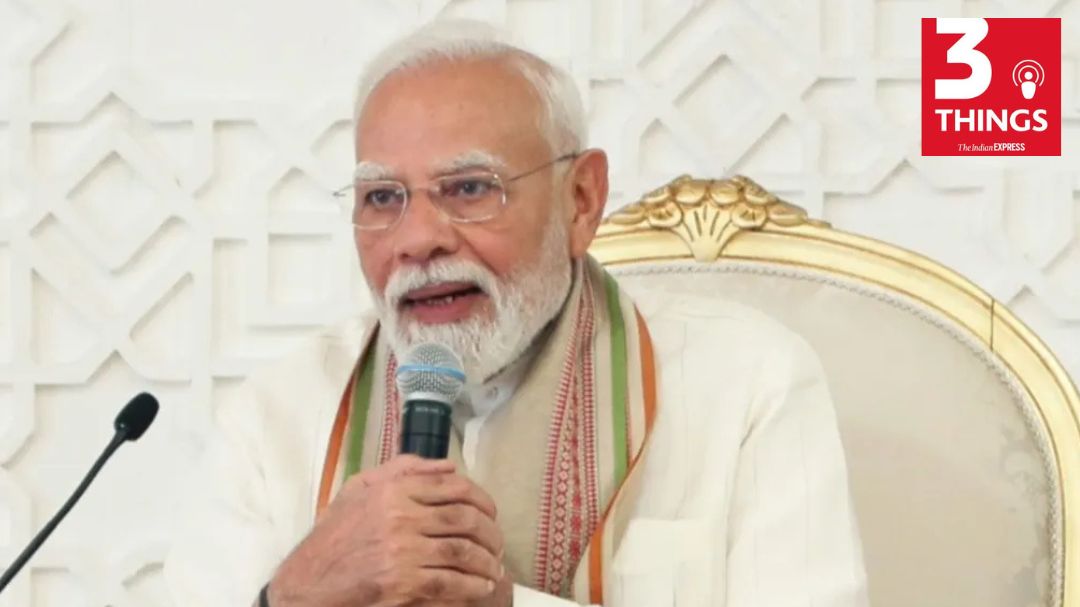
- Air Force veteran Jeetendra Mishra has been appointed as the CEO of Ram Janmbhoomi Trust.
- The 26th SCO Summit was held in Bishkek, Kyrgyzstan this year and was attended by leaders of all ten SCO member states, including India, China, Russia and Pakistan.
- The discussion covers India's presence at the summit and the issues PM Modi raised.
- A new law in Bengaluru could allow parts of the city’s protected park land to be used for public utilities.
- The amendment is facing opposition from the residents of the city.
Retired Air Marshal Jeetendra Mishra has been appointed as the first Chief Executive Officer of the Shri Ram Janmbhoomi Teerth Kshetra Trust, which is responsible for overseeing the construction of the Ram Temple in Ayodhya. This significant appointment comes as India actively participates in international discussions, including the 26th SCO Summit held in Bishkek, Kyrgyzstan, where Prime Minister Modi addressed key issues concerning regional security and cooperation.2
The summit included leaders from all ten SCO member states, including China, Russia, and Pakistan, highlighting India's strategic diplomatic engagements. Concurrently, a new law in Bengaluru is stirring controversy, as it proposes to allow parts of the city’s protected park land to be utilized for public utilities, facing opposition from local residents concerned about environmental impacts.4
Mishra's leadership is expected to play a crucial role in the temple's development, which has significant cultural and religious importance for many in India. His military background may bring a disciplined approach to the project, which has been a focal point of political and social discourse in the country.
As these developments unfold, they reflect the broader themes of governance, heritage, and international diplomacy that are shaping India's current landscape.
“The 26th SCO Summit in Bishkek was attended by leaders of all ten member states, including India, China, Russia, and Pakistan, with PM Modi raising issues. Separately, a new Bengaluru law could allow protected park land for public utilities, facing opposition from residents.”
 The Indian Express



