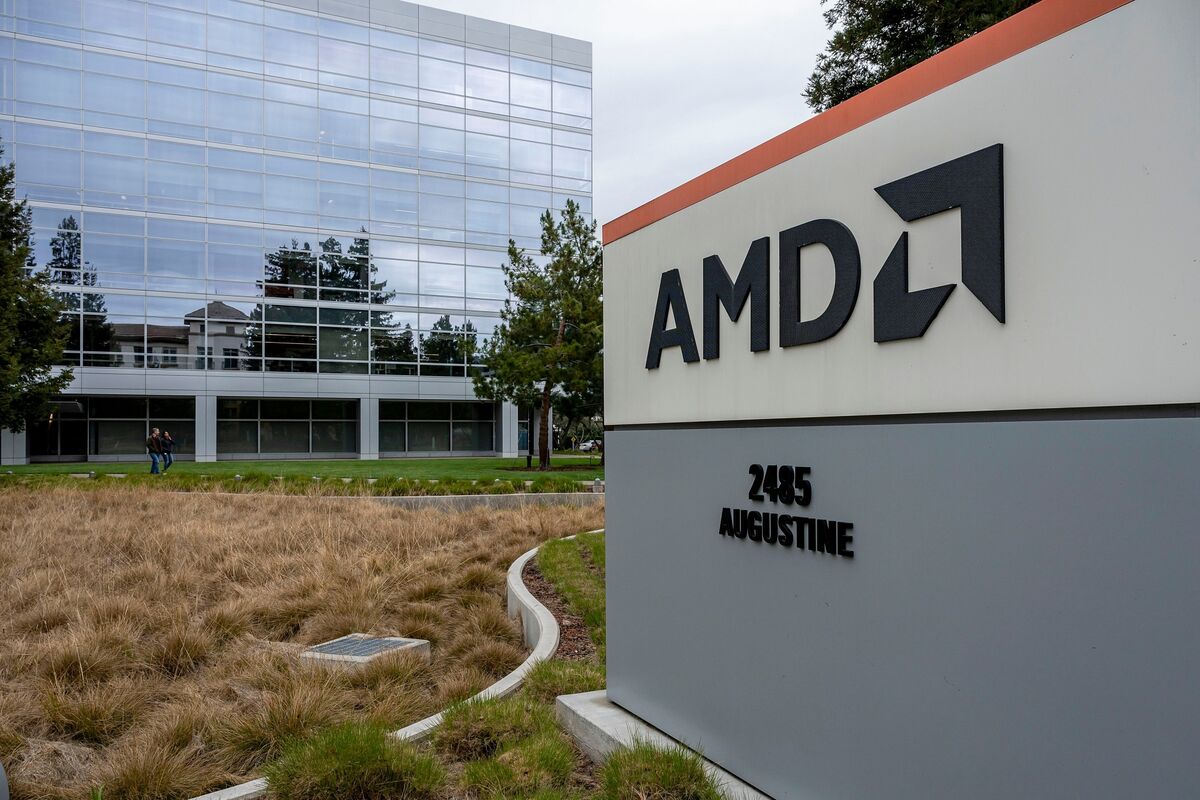
- AMD fell 13% to $415.63 on November 5, despite reporting record Q3 revenue of $13.38 billion on November 3, which was up 44.7% year over year.
- NVIDIA saw a 7% drop to $186.81, marking its biggest one-day decline since March 2025, erasing all year-to-date gains.
- Intel shares dropped 8% to $53.46, following a tepid Q4 revenue forecast issued on October 29.
- The selloff in chip stocks was driven by political risks following the November 3 midterm elections, where Democrats won both chambers of Congress.
- On November 4, Rep. Yassamin Ansari called for a pause on advanced AI development, raising concerns about future regulations.
- Political risk is overshadowing strong earnings in the AI chip sector, with AMD experiencing the steepest decline despite its impressive financial results.
- AMD's Data Center revenue rose 97% to $8.55 billion, yet the stock is suffering due to fears of regulatory impacts on AI development.
- NVIDIA's decline is linked to concerns that tighter AI regulations could slow infrastructure spending and GPU demand.
Chip stocks faced significant declines on Thursday, with AMD tumbling 13%, NVIDIA sliding 7%, and Intel sinking 8%. This downturn follows the recent midterm elections, where Democrats secured both chambers of Congress, raising concerns about potential regulatory impacts on the AI sector.34
Despite AMD reporting a record-breaking quarter with Q3 2026 revenue of $13.38 billion, up 44.7% year-over-year, the stock was hit hard. CEO Lisa Su noted that this was the largest and most profitable quarter in AMD's history, yet the stock fell to $415.63. NVIDIA's shares dropped 8.6%, erasing all year-to-date gains, while Intel's stock fell to $53.46.9
Political risks are now overshadowing strong earnings, as Rep. Yassamin Ansari called for a pause on advanced AI development until regulations are established. This rhetoric raises concerns about slower data center buildouts for both AMD and NVIDIA, which are ramping up new systems.567

AMD's non-GAAP earnings per share of $2.09 exceeded estimates, and the company guided for approximately $17 billion in revenue for Q4 2026. However, the market remains cautious, with fears that regulatory changes could hinder growth prospects in the AI chip market.
As traders react to the political landscape, the outlook for chipmakers remains uncertain, with AMD and NVIDIA facing potential headwinds despite their strong financial performances.
“AMD's drop comes despite reporting its best quarter ever on November 3, with revenue up 44.7% to $13.38 billion and data center sales surging 97%. Investors are now weighing whether election-driven policy risks, stretched valuations, or sector pressure explain the selloff.”


 WSJ
 24/7 Wall St.