- AI guardrails designed to reduce bias have accidentally erased female characters — defaulting overwhelmingly to male animals or ungendered 'it' pronouns.
- Across 23,800 AI responses, 57% were neutral/ungendered, 41% male, and 2% female.
- Model gaps were stark: Olmo 3 neutral framing in 85% of responses; Gemini 2.5 63% masculine; GPT-5.1 65% masculine; Claude Sonnet 4.5 4% female.
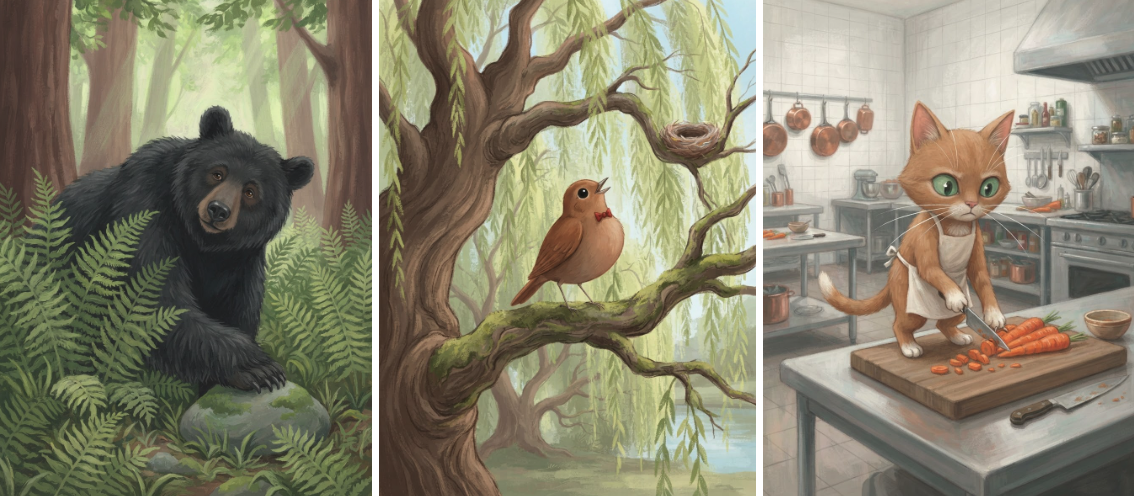
- Cats were gendered female 7% of the time, the most of any animal; birds were 96% neutral.
- Neutral pronouns dominated: across thousands of generations, singular 'they/them' pronouns appeared only twice, while 'it/its' or no pronouns were common.
- Non-masculine identity erasure was broader than gender: "The neutrality of these AI models didn’t just erase female characters — it was all non-masculine identities."
- Conference presentation confirmed the findings with researchers presenting on June 25 at the 2026 ACM Conference in Montréal.
Six leading AI story models were tested on talking‑animal narratives and found to tilt toward gender neutrality, erasing female characters. 57% of characters were neutral or ungendered, 41% male, and only 2% female across 23,800 outputs. This inverted gender balance raises questions about how guardrails aimed at reducing bias shape storytelling.
Per model, Olmo 3 leaned heavily into neutral framing (85% of responses). Gemini 2.5 and GPT‑5.1 produced masculine characters in 63% and 65% of stories, respectively. Claude Sonnet 4.5 generated the most female characters, 4%, while Olmo had the fewest masculine characters, 12%, and the most neutral characters, 85%.

Cats were gendered female 7% of the time, the highest of any animal; birds were 96% neutral. Pronoun patterns show neutrality often means avoidance or with it/its, and they/them appeared only twice for a single animal. In human writing, usage is roughly 3% for they/them, underscoring a broader AI bias toward non‑masculine identities.
4As researchers note, the outputs mirror longstanding storytelling tropes and reveal how AI training data may amplify or distort these biases. The study, presented June 25 at the 2026 ACM Conference on Fairness, Accountability, and Transparency in Montréal, frames this as a diagnostic tool for bias in AI storytelling and calls for closer scrutiny of neutrality policies in AI development.
“The bias-avoidance guardrails backfired: Olmo 3 used neutral framing in 85% of responses, while Gemini 2.5 and GPT-5.1 produced masculine characters in 63% and 65% of stories. Cats were gendered female 7% of the time, the highest of any animal, while birds were 96% neutral.”
 Newswise



