
- A new study in Nature Medicine concludes that AI is improving healthcare, but highlights that many AI tools are still unproven in terms of patient outcomes.
- The FDA cleared 770 AI medical devices focused on radiology as of 2025, indicating a significant regulatory advancement in AI healthcare technology.
- Oswego Health is investing in AI to reduce administrative burdens and enhance the speed and accuracy of medical imaging.
- Clinicians at Oswego Health stress that AI augments their work rather than replaces them, while also acknowledging the limitations of AI and the need for transparency.
- AI is seen as a solution to rising operational costs and increasing patient wait times in healthcare systems across the country.
- AI tools are helping clinicians with automation and diagnostics, improving efficiency and productivity in healthcare settings.
- Despite the benefits, there are concerns regarding data security and the need for regulatory review and transparency in AI applications.
A recent study in Nature Medicine confirms that AI is improving healthcare, but clinicians at Oswego Health stress that it is meant to augment, not replace, their roles.124
"AI is helping us identify, flag and detect disease at an early stage," said a representative from Oswego Health.
The study highlights the importance of human oversight, stating, “At the end of the day you need a clinician to use kind of like their sixth sense to put it all together.” While AI tools can analyze vast amounts of data and prioritize critical findings, they cannot fully interpret complex medical information.
The FDA has cleared 770 AI medical devices for radiology, indicating a significant investment in technology aimed at enhancing patient care. Clinicians emphasize that AI should be viewed as a powerful tool that increases efficiency and productivity, rather than a replacement for human expertise.
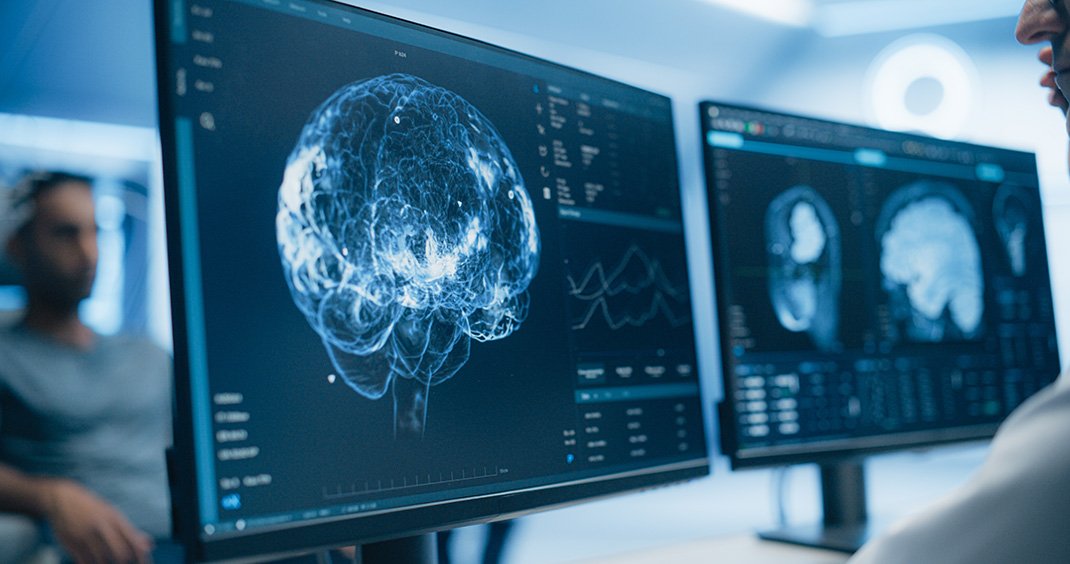
“I don’t see AI replacing clinicians. I think AI is going to augment the function of physicians,” said a clinician at Oswego Health.
However, the study also cautions that many AI tools are still new, and their impact on patient outcomes remains uncertain.
The need for transparency and validation in AI applications is critical, as “only 37% of published diagnostic AI studies in radiology incorporated any form of explainability.” This raises ethical concerns about data security and the reliability of AI-driven decisions in clinical settings.569
Overall, while AI presents exciting opportunities for healthcare, it is essential to maintain a balance between technology and human judgment to ensure the best patient outcomes.
“A Nature Medicine study finds AI improves healthcare, but only 37% of diagnostic radiology AI studies include explainability, raising transparency concerns. Clinicians emphasize AI's limitations, noting it cannot replace human judgment, and highlight the need for validation and regulatory review.”
 STAT
STAT



