- Nepal is demanding climate compensation from the world’s biggest emitters of greenhouse gases after deadly floods in the country and left even more missing.
- Nepal’s Foreign Minister Shisir Khanal told Kantipur TV that China, the United States and India have made 'extremely large' contributions to climate change and left smaller nations 'enduring the price of it'.
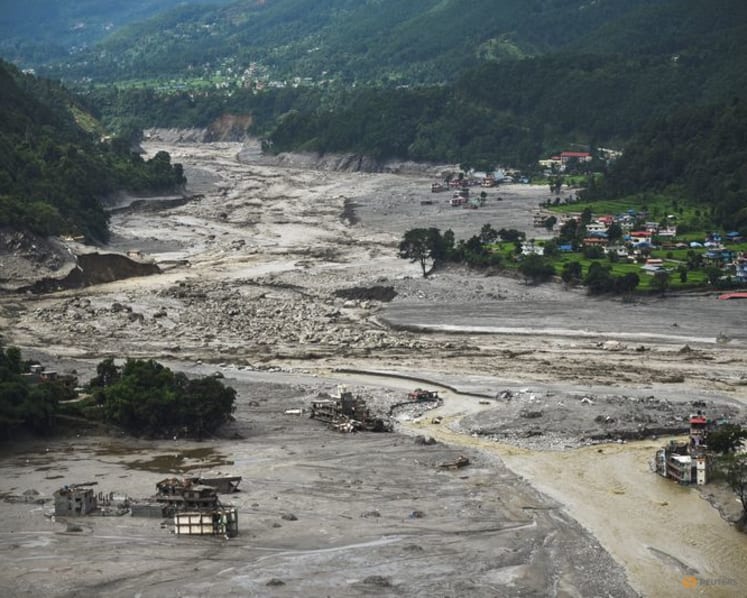
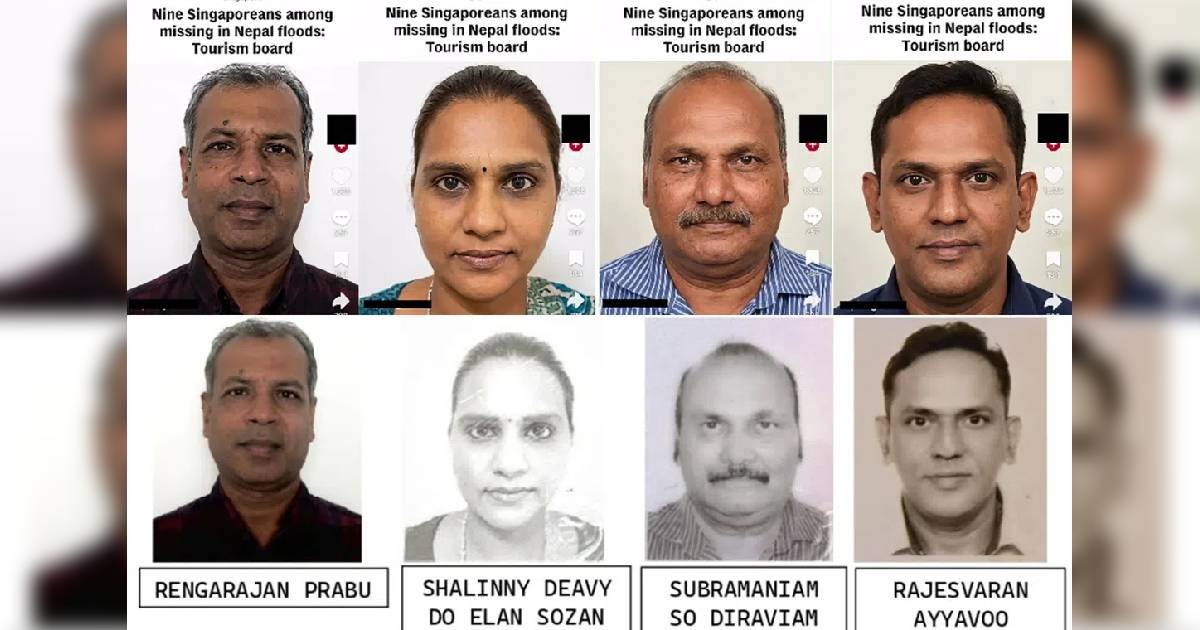
- The official death toll has risen to 1,114, with nearly 4,000 people still missing, as floodwaters destroyed homes, key bridges and critical hydropower infrastructure.
- In the interview, Khanal said Nepal has sought urgent relief from the United Nations’ Fund for Responding to Loss and Damage, set up to help vulnerable countries recover from climate-related disasters.
- The demand comes ahead of the United Nations’ annual climate summit in November, where developing nations are expected to press wealthier, high-emitting countries for more funding to cover climate-related losses and damage.
- The Global Campaign to Demand Climate Justice, a civil society coalition of 200 international groups, said in a statement on Sept 1: 'Nepal cannot reduce the world’s emissions on behalf of the polluters. It cannot protect the Himalayas through adaptation alone while the world continues to burn more fossil fuels,' and added, 'And it should not have to take on more debt to protect its people from a crisis overwhelmingly created elsewhere.'
- Khanal said, 'Nepal must hold its head high internationally and turn this into a matter of justice,' and added, 'We will raise this matter explicitly and forcefully on international platforms.'
Nepal is facing a humanitarian crisis after deadly floods have claimed over 1,100 lives and left nearly 4,000 missing. In response, the government is demanding climate compensation from major greenhouse gas emitters, including China, the US, and India, which have significantly contributed to climate change.13
Foreign Minister Shisir Khanal stated that smaller nations are 'enduring the price' of climate change, urging that Nepal must hold its head high internationally and turn this into a matter of justice. He emphasized, “We will raise this matter explicitly and forcefully on international platforms.”2
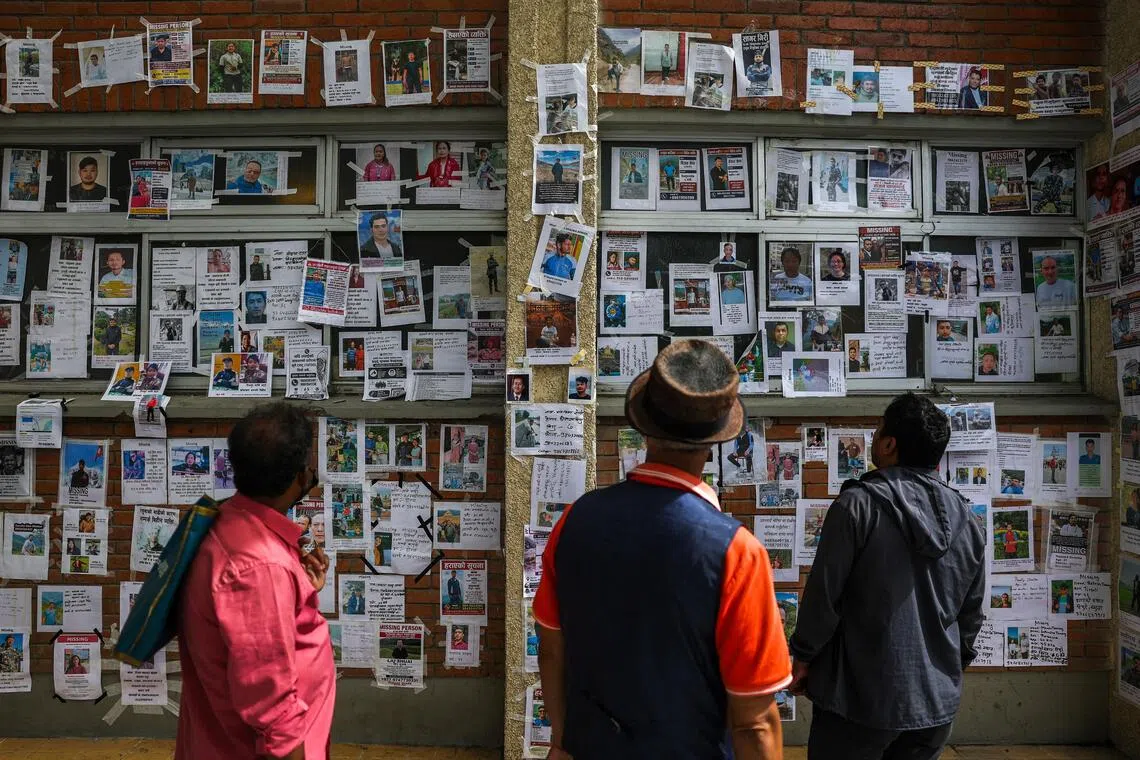
The floods have destroyed homes, key bridges, and critical hydropower infrastructure, exacerbating the situation for a country already vulnerable to climate-related disasters. The official death toll has risen to 1,114, with recovery costs far exceeding domestic resources. Local officials have expressed urgency in seeking relief from the United Nations’ Fund for Responding to Loss and Damage, as waiting for its board to meet in December would be too late.4
As the United Nations’ annual climate summit approaches in November, developing nations like Nepal are expected to press wealthier, high-emitting countries for more funding to cover climate-related losses and damages. The Global Campaign to Demand Climate Justice, a coalition of 200 international groups, stated, “Nepal cannot reduce the world’s emissions on behalf of the polluters.” They added that Nepal should not have to take on more debt to protect its people from a crisis overwhelmingly created elsewhere.67
“The official death toll has risen to 1,114, with nearly 4,000 people still missing, as floodwaters destroyed homes, bridges, and hydropower infrastructure. Nepal has sought urgent relief from the UN's Fund for Responding to Loss and Damage, warning that waiting for its board to meet in December would be too late.”