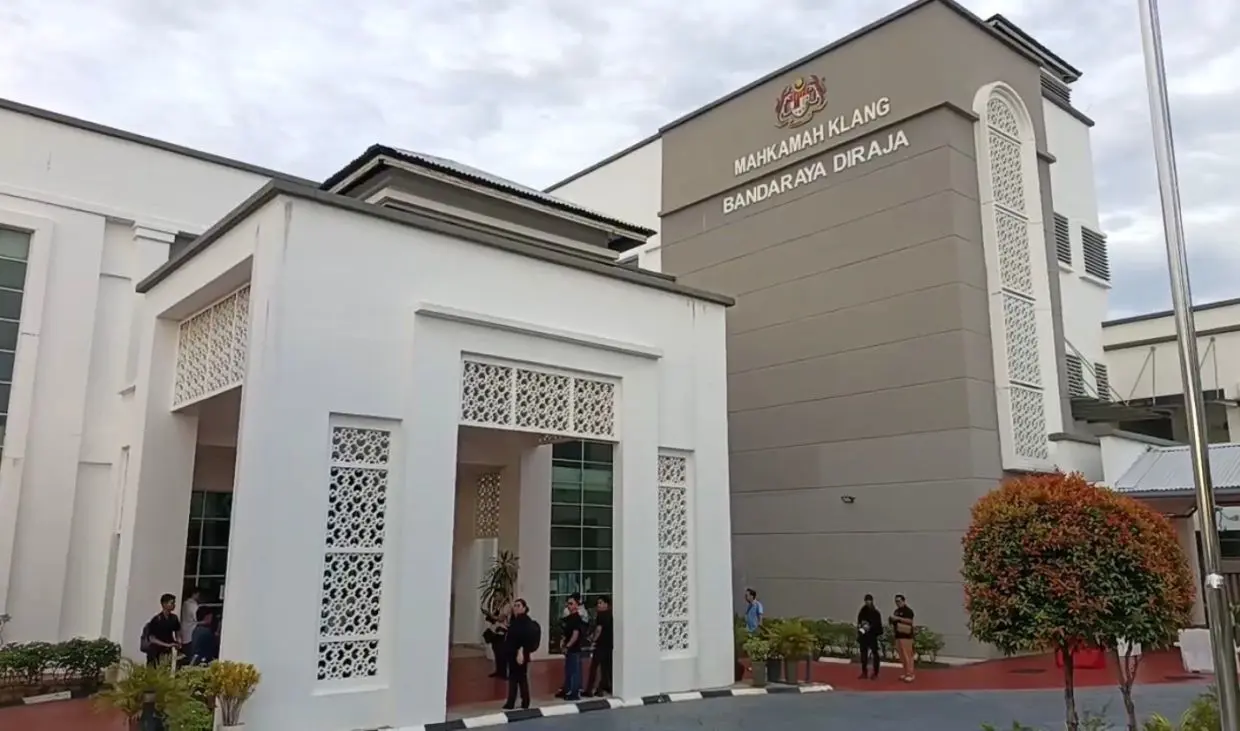
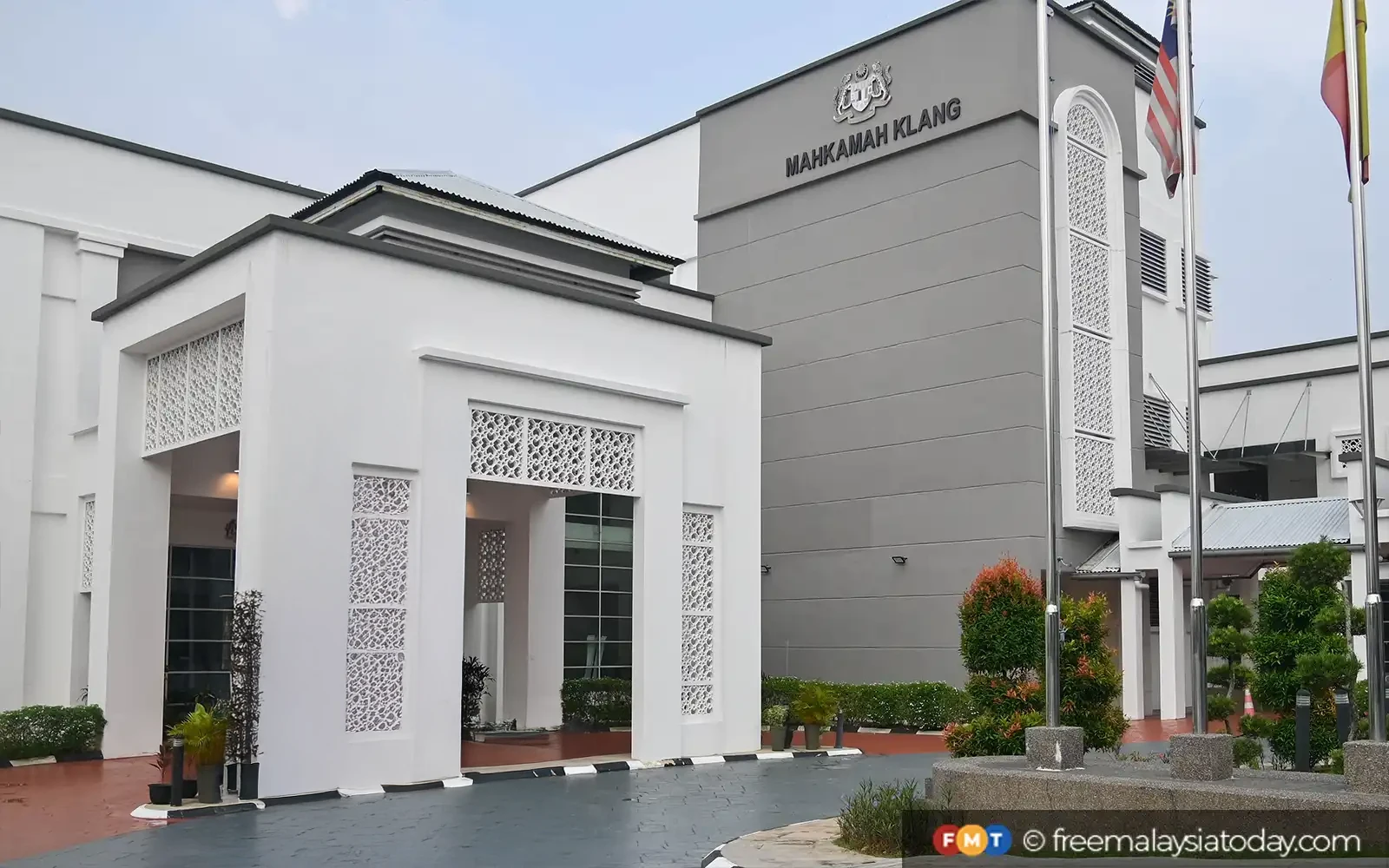
- A pet dog's death during a municipal dog-catching operation in Selangor has led to animal cruelty charges against its owner and a volunteer canine-catcher, renewing scrutiny of how Malaysia manages its strays.
- The operation was launched in response to resident complaints about strays, including a severe accident where a motorcyclist was purportedly injured by a roaming dog.
- Rocky’s death drew condemnation from Tengku Permaisuri Norashikin, the queen consort to the Sultan of Selangor, who spoke out against animal cruelty towards pets and strays alike.
- On Thursday, the animal cruelty charges were framed under Section 29(1)(e) of the Animal Welfare Act 2015 and punishable under Section 29(1) of the same Act, carrying a fine of between RM20,000 and RM100,000, imprisonment for up to three years, or both upon conviction.
- Roghini was also charged with keeping Rocky without a valid licence from the Klang Royal City Council, an offence that carries a maximum fine of RM2,000 or up to one year in prison.
- The incident has thrust the issue of stray dog management back into the national spotlight, amplified by a recent proposal by the Seremban city council to introduce a cash-reward incentive programme for catching stray dogs.
- Activists said that such a proposal would not solve the issue, with Kalaivanan Ravichandran, president of Persatuan Haiwan Terbiar Malaysia (SAFM), saying that the country needed a multi-year national stray animal population management programme.
- Stray dog management in Malaysia remains largely reactive, triggered by public complaints, bite incidents, or high visibility, with capture and removal as the default response.
The tragic death of Rocky during a municipal dog-catching operation in Selangor has sparked outrage and led to animal cruelty charges against S Roghini Devi and Muhammad Shah Idham Nor Haikal Shaharom.4
The charges, framed under Section 29(1)(e) of the Animal Welfare Act 2015, highlight the urgent need for reform in Malaysia's approach to stray dog management.68
Activists argue that the current system is reactive, responding only to public complaints and incidents. Kalaivanan Ravichandran, president of Persatuan Haiwan Terbiar Malaysia (SAFM), emphasized that a sustainable solution requires a multi-year national stray animal population management program, including spay and neuter initiatives.7
The incident has drawn condemnation from Tengku Permaisuri Norashikin, the queen consort of Selangor, who stated, "No form of animal cruelty would be accepted or tolerated..."3
The operation was initiated due to frequent complaints from residents about strays, including a serious incident involving a motorcyclist. However, critics argue that merely capturing dogs does not address the root causes of the problem.
The charges against Roghini and Shah Idham carry severe penalties, including fines of up to RM100,000 (approximately US$24,800) and imprisonment for up to three years.
As the debate continues, the need for a comprehensive and humane approach to stray dog management in Malaysia has never been more pressing.
“The charges carry fines up to RM100,000 and three years' imprisonment under the Animal Welfare Act 2015, with Roghini also facing a separate licensing offence. Activists, including SAFM's president, urge a multi-year national programme with spay-neuter and vaccination, rejecting a Seremban cash-reward proposal as ineffective.”