- Public schools in Afghanistan were relatively open before August 15, 2021, teaching subjects like science, English, and civic education alongside religion.
- After the Taliban's return to power, restrictions on girls and women escalated, barring girls from secondary schools and women from universities.
- Boys are still allowed in school, but many report a significant shift in education, with less focus on science and languages and more emphasis on religious content.
- The Taliban ministry of education now oversees 22,972 religious education centers, a significant increase from about 5,000 under the previous government, while only 269 new modern schools were established.
- Students like Hashmat Mubariz report that the education offered no longer prepares them for the future, leading some to drop out or seek alternatives.
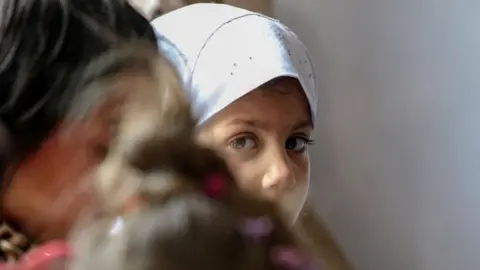
- Girls like Zainab have been pushed out of classrooms entirely, relying on unreliable online classes for education.
- Mubariz received university admissions in 2025 and 2026 but lost them due to visa issues, reflecting the broader loss of opportunity for Afghan students.
- Interviews with students across Afghanistan reveal a concerning trend: boys report a shift in education with less focus on science and languages and more pressure to study religion.
- Male teachers have been ordered to grow longer beards and wear traditional clothing, while students face new rules governing their appearance.
- Religious instruction has become a significant part of almost every class, with teachers expected to include Quranic verses in their lessons.
- Students and families report that the shift in education has been especially severe in southern regions, where families emphasize religious studies.
As Afghanistan marks five years under Taliban rule, the education landscape has drastically shifted, impacting both genders.
The Taliban's sweeping restrictions have barred girls from secondary education and women from universities, leaving millions without formal educational pathways.
However, boys are also facing a significant education crisis.
Interviews with students reveal that while boys can attend school, the curriculum has shifted dramatically, focusing more on religious instruction and less on essential subjects like science and languages.1012
Mubariz, a student, noted, "Many people believe that only girls' education is affected. But boys are also facing a serious education crisis."
Students reported a decline in the quality of education, with teachers pressured to incorporate religious teachings into all subjects.
"Religion became part of almost every class," Mubariz stated, highlighting the pervasive influence of religious instruction.
The Taliban's ministry of education now oversees 22,972 religious education centers, a significant increase from the 5,000 registered under the previous government. In stark contrast, only 269 new modern schools have been established during the same period.
The shift has led to a culture of fear among students and teachers, with many avoiding controversial discussions.
"I could not express even one percent of my real opinions or ideas," one student lamented, emphasizing the oppressive atmosphere in classrooms.
As the education crisis deepens, the future of Afghanistan's youth remains uncertain, with many questioning the value of their education under the current regime.
“The Taliban's education ministry now oversees 22,972 religious education centers, up from about 5,000 under the previous government, while only 269 new modern schools were established. Students like Hashmat Mubariz, who lost university admissions due to visa issues, say the curriculum no longer prepares them for the future.”
 BBC
BBC NPR
NPR




