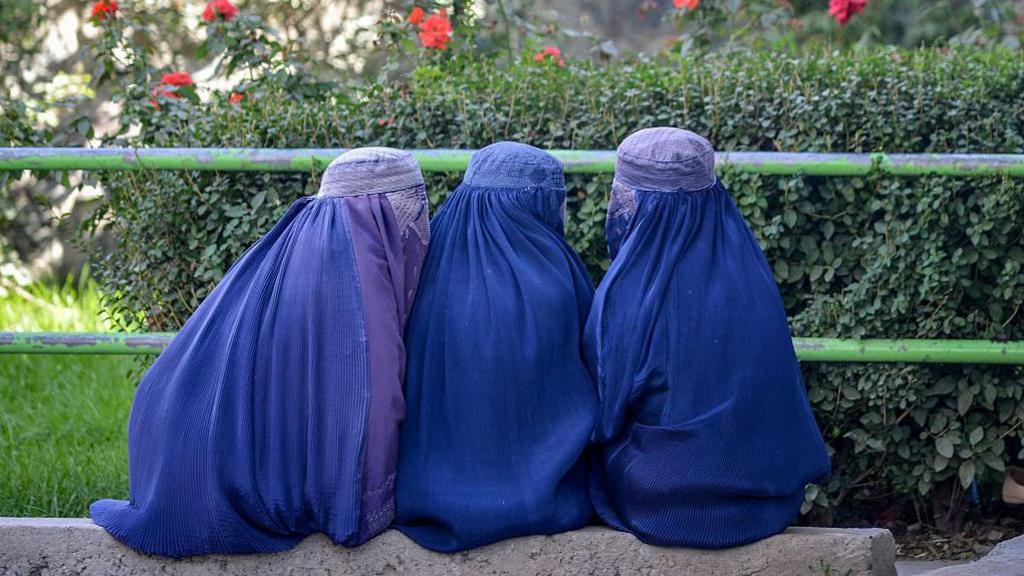
- Taliban retook control of Afghanistan in 2021, imposing significant restrictions on women, including a ban on education after sixth grade.
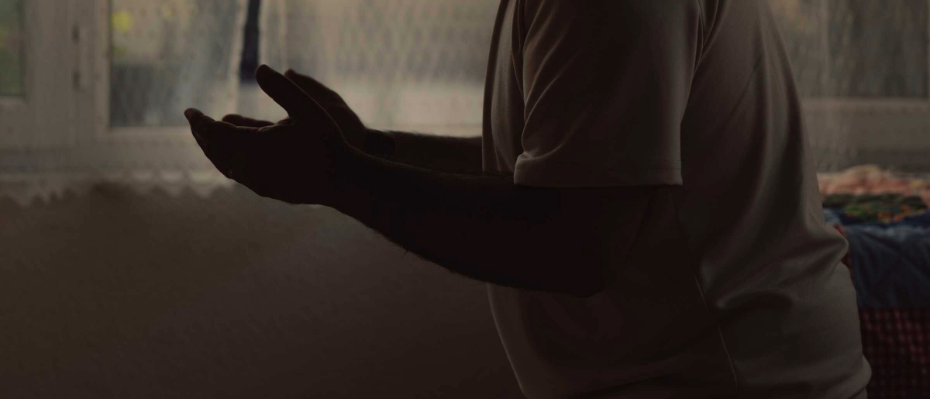
- The BBC has begun a day of coverage, speaking to women across Afghanistan about their daily lives under Taliban rule, including a student, a jewellery maker, and a former journalist.
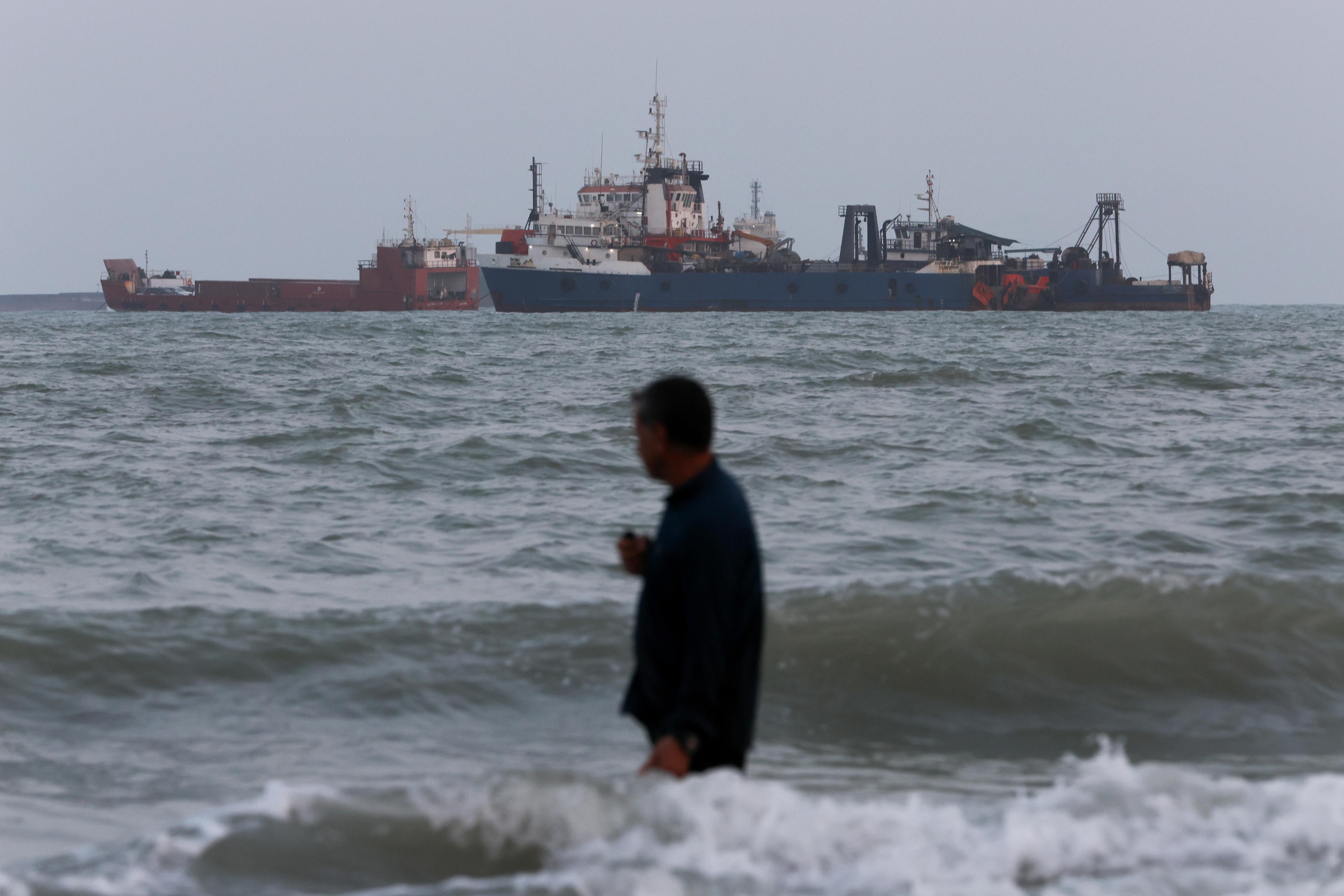
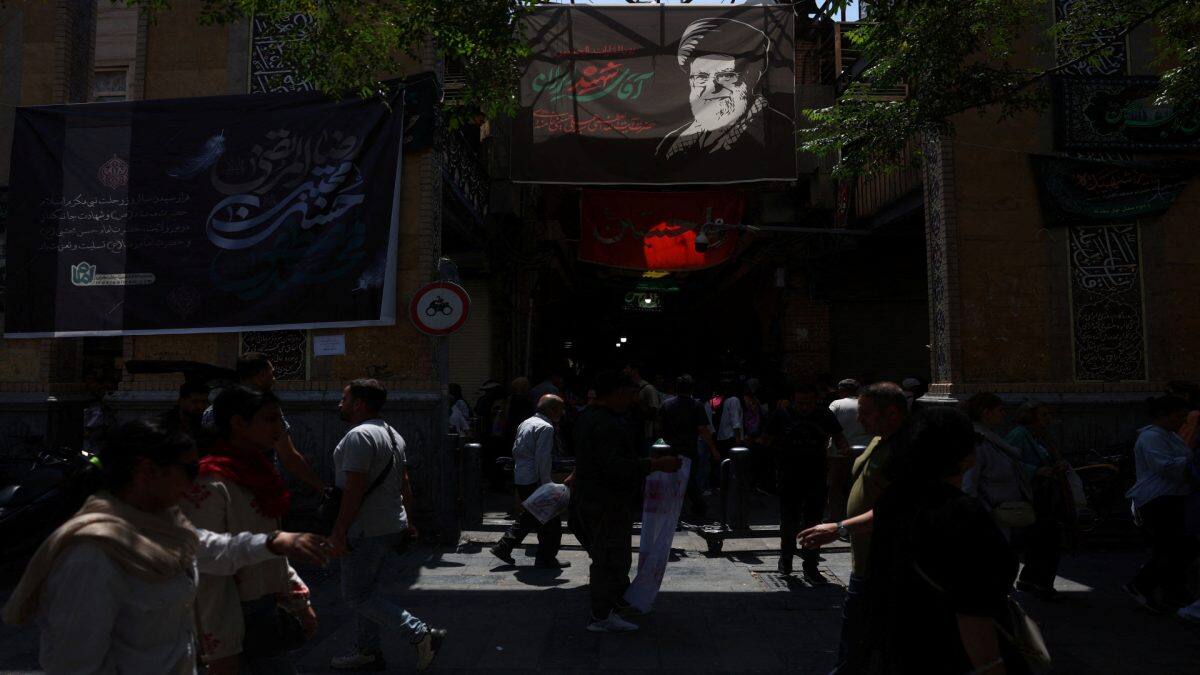
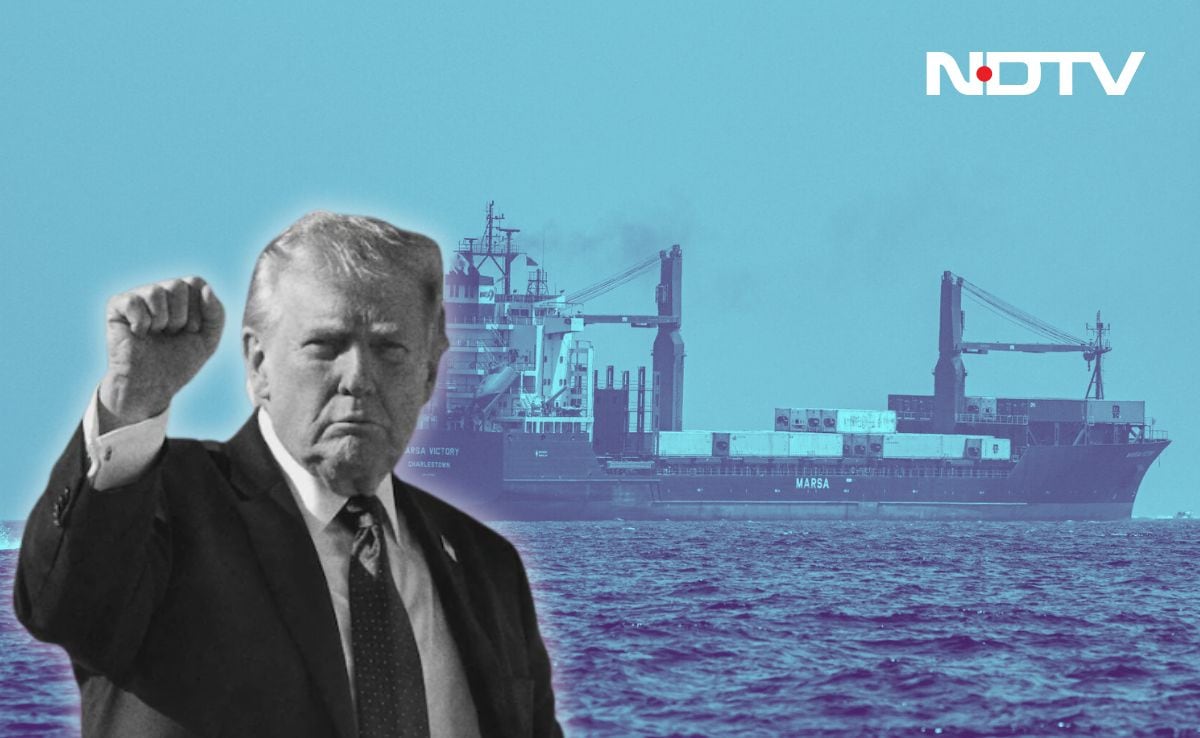
- Iran's military has rejected U.S. claims of control over the Strait of Hormuz, asserting that the strategic waterway is fully under Iranian control.
- The Taliban advanced rapidly across Afghanistan, seizing control of the capital Kabul on August 15, 2021, as the Afghan military collapsed.
- The Strait of Hormuz is a vital energy conduit, and Iran has maintained control since the outbreak of the war in the Middle East, requiring vessels to obtain permission and pay transit fees.
Afghan women are sharing their harrowing experiences under Taliban rule, which has imposed severe restrictions on their freedoms since 2021. The Taliban's return to power has led to a ban on education for girls over 12, travel restrictions, and legal approval for child marriage. Many women, including students and former journalists, are afraid to reveal their identities due to potential reprisals.15
“The restrictions impact almost every part of their lives,” a BBC report states, highlighting the pervasive fear among women who are sharing their stories. The Taliban's governance has created an environment where women are often punished for alleged crimes, including flogging.
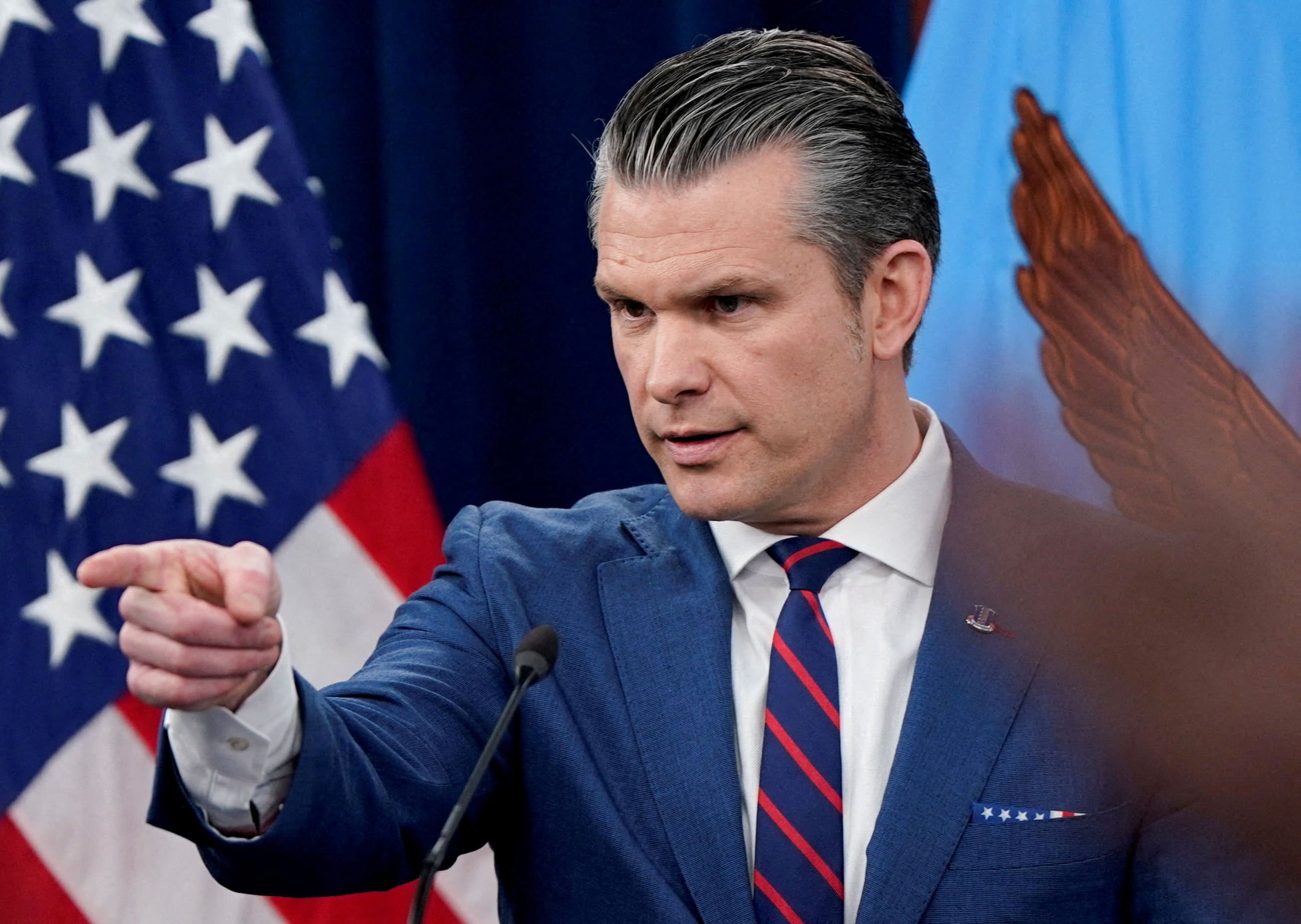
In a parallel development, Iran's military has firmly rejected claims made by Donald Trump regarding U.S. control over the Strait of Hormuz. The Iranian military spokesperson, Ebrahim Zolfaghari, labeled Trump's assertions as “lies and fabrications,” asserting that the strategic waterway remains under Iran's complete management.46

“No commercial ship or tanker without the permission and supervision of the powerful Iranian armed forces has had and will have the possibility of safe passage through this strait,” Zolfaghari stated, emphasizing Iran's control over this vital energy conduit.
The contrasting narratives from Afghanistan and Iran illustrate the complex geopolitical landscape in the region, where women's rights and military control are at the forefront of international discourse.
“The BBC is speaking to women from across Afghanistan, including a student, a jewellery maker, and a former journalist, many of whom fear reprisals and use pseudonyms. Iran's military spokesperson Ebrahim Zolfaghari asserted the strait remains under Iranian control, dismissing U.S. claims as 'lies and fabrications.'”


 BBC
BBC