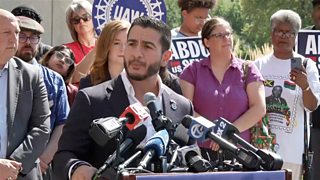
- El-Sayed led by a comfortable margin over Stevens for weeks.
- El-Sayed won the primary with 48.5% to Stevens's 47.5%.
- El-Sayed's victory sends tremors through the Democratic Party.
- El-Sayed will face former Republican Congressman Mike Rogers in the general election.
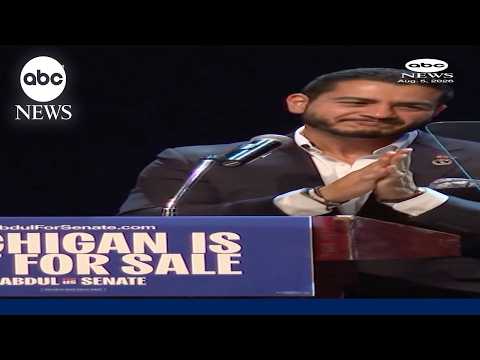
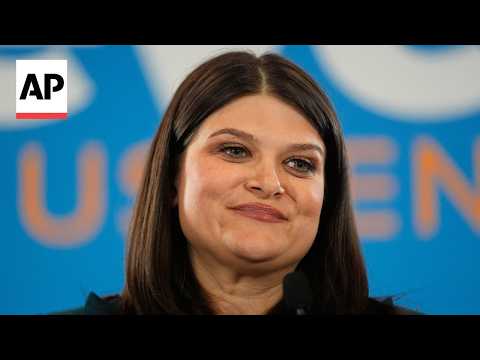
El-Sayed's victory in Michigan's Senate primary was razor-thin, with AP counting 48.5% for El-Sayed and 47.5% for Haley Stevens, a margin that sent shockwaves through a party anxious about insurgent candidates in battleground races. The result pits El-Sayed against Mike Rogers in November, in a contest that could tilt control of the U.S. Senate and test left-wing viability in a true political battleground state.
El-Sayed, the child of Egyptian immigrants, ran on a left-wing platform with the backing of liberal stalwarts such as Bernie Sanders, Elizabeth Warren and Alexandria Ocasio-Cortez, underscoring a broader progressive wave reshaping Democratic primaries nationwide.
The refrain money out of politics, money in your pocket has been a rallying cry for his campaign, echoing across other left-wing successes as voters express frustration with party leadership and established stances on core issues like health care, drug costs and campaign finance reform.
Polls showed El-Sayed with momentum before election night, but the squeaker result highlighted ongoing questions about polling accuracy and the difficulty of translating primary victories into durable general-election support in Michigan.
Stevens had the backing of Democratic leadership in Washington, with deep financial pockets and support from the party apparatus, including $32m from Aipac—the American Israel Public Affairs Committee—illustrating the internal divisions and outside pressures shaping the race.
The contest raises questions about party unity needed to win in Detroit, urban centers and rural districts, as well as Michigan's outsized role in early presidential calendars and the 2028 race.
It will be the most dramatic test yet of whether a left-wing candidate can prevail in a true battleground state, with wide implications for Democratic strategy in coming elections.
“El-Sayed won 48.5% to Stevens's 47.5%, a narrower margin than polls suggested, and he must now unite the party, especially lower-income voters who backed Stevens in Detroit. His victory adds to progressive momentum, with William Lawrence and Donavan McKinney also winning primaries.”





 The Guardian



