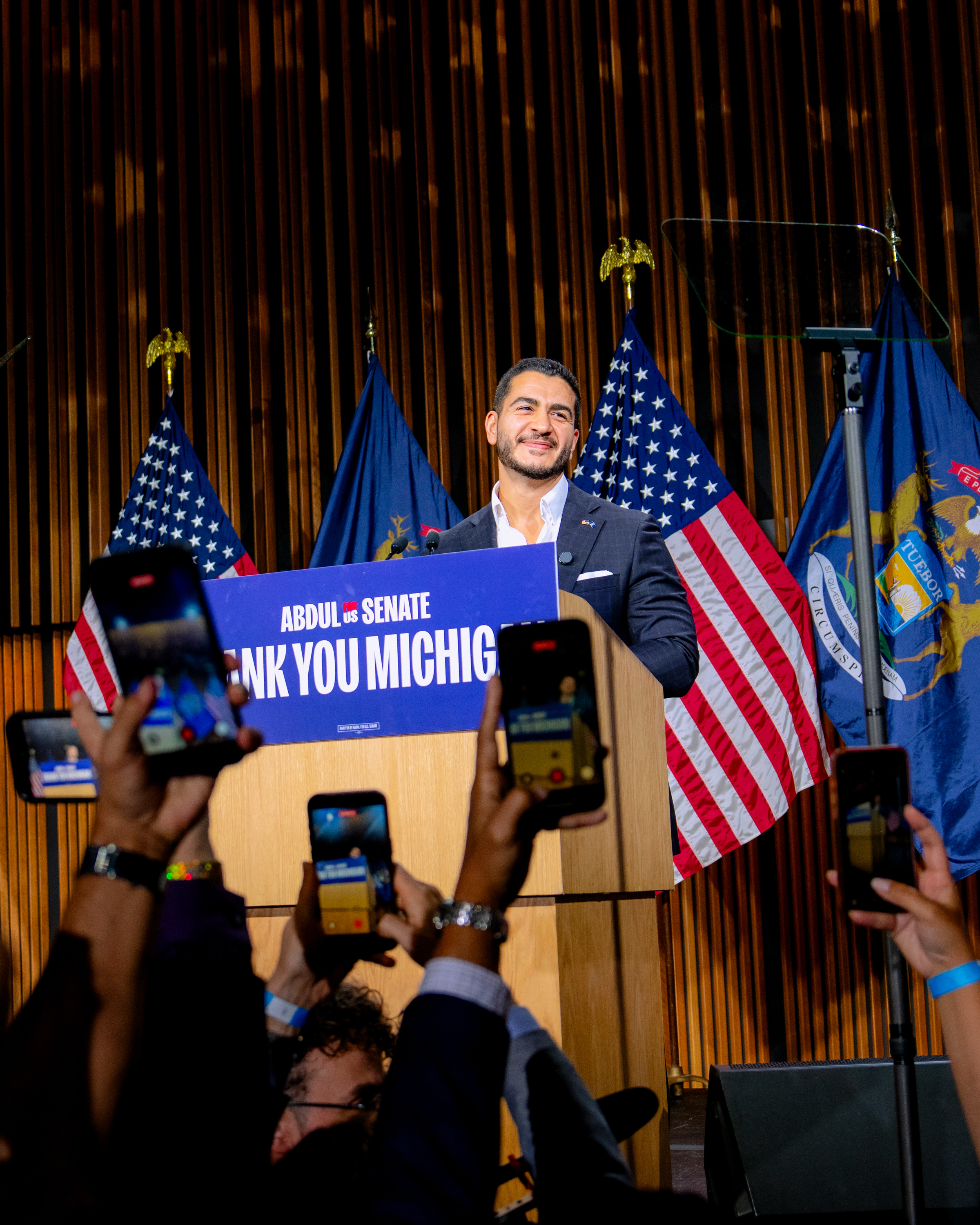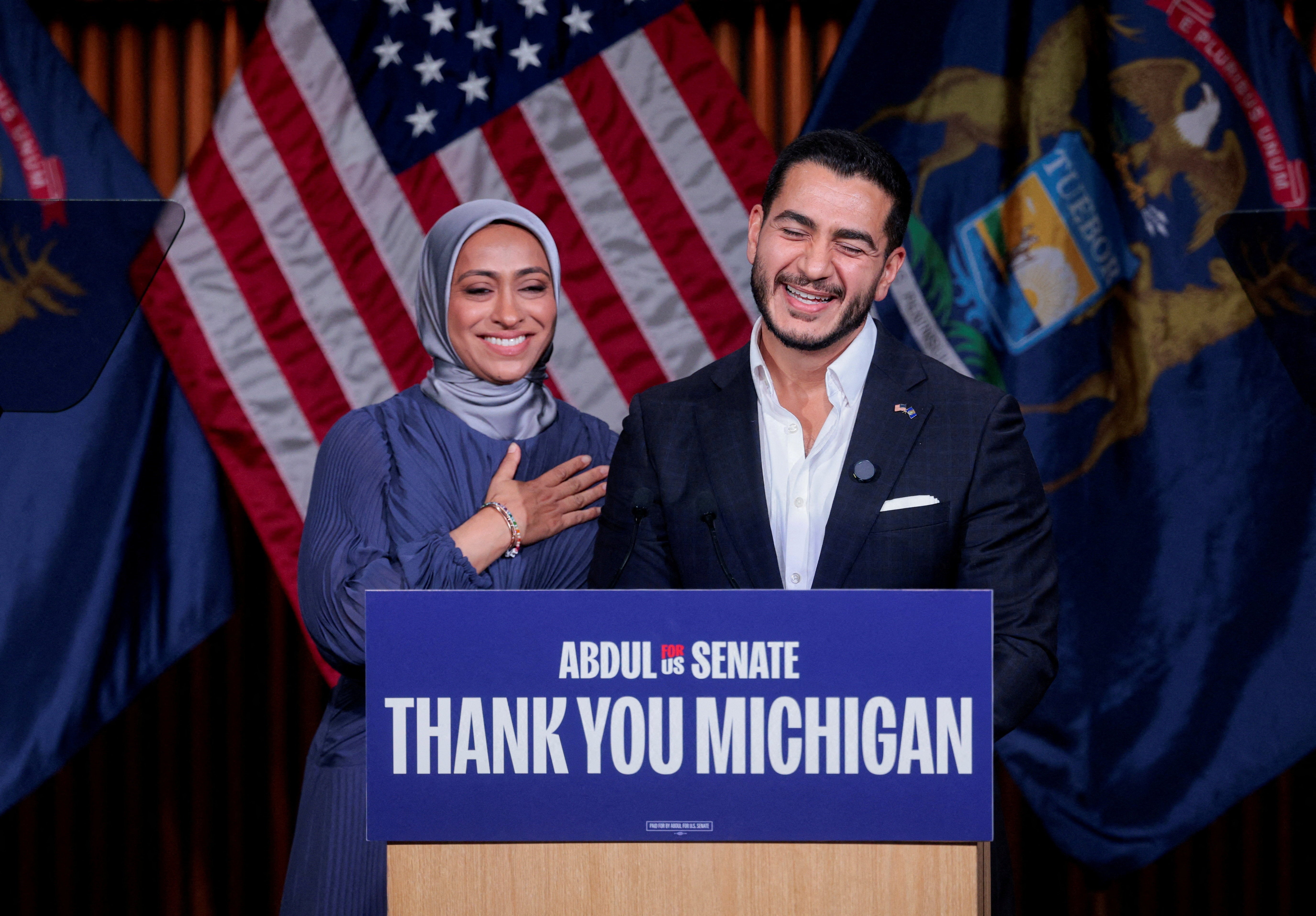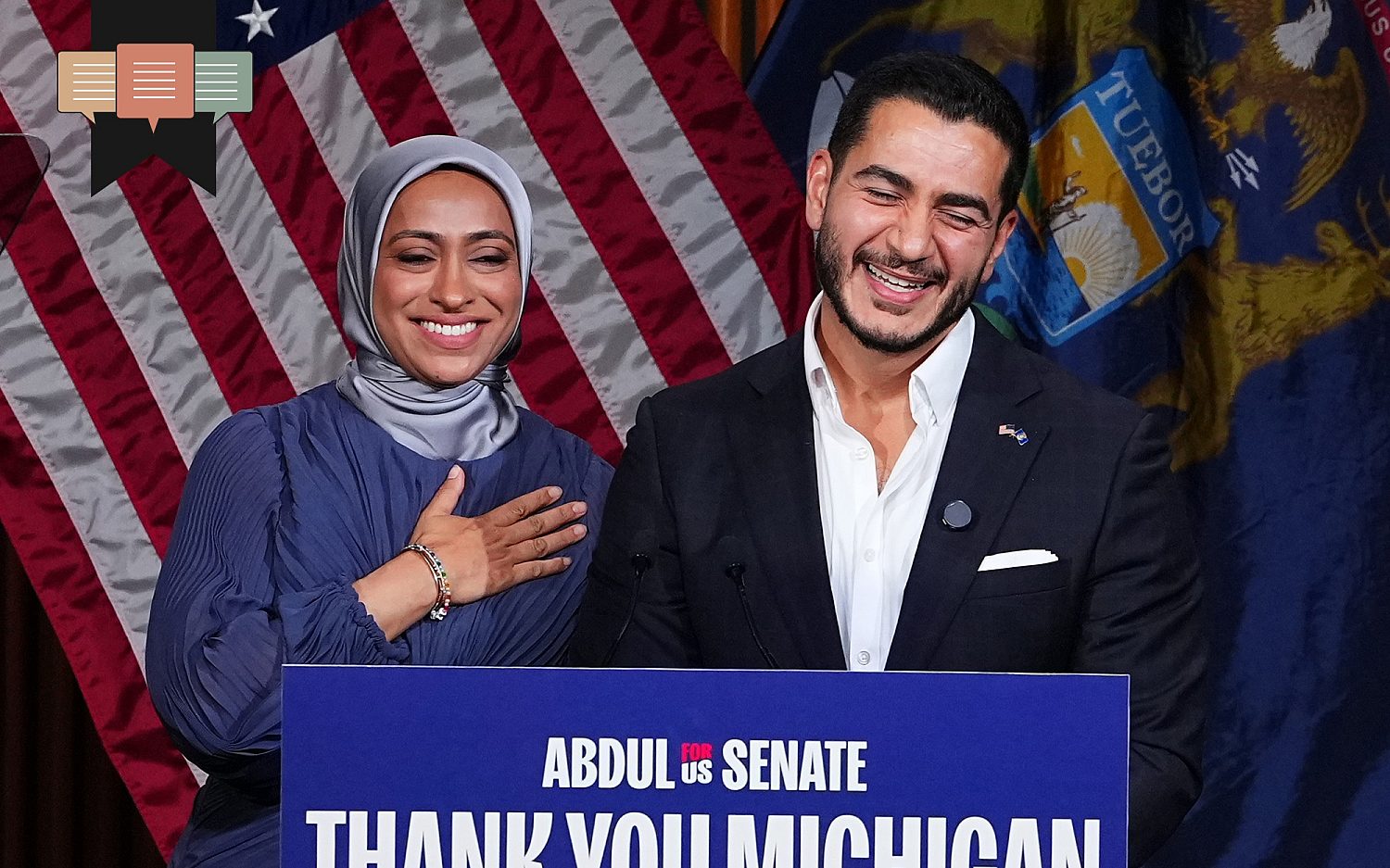
- Abdul El-Sayed has won a seat in the United States Senate from Michigan, becoming the first Muslim to be elected a U.S. senator.
- In his moment of victory, he introduced himself as America's first Muslim senator and then shifted into Arabic.
- Commentary on El-Sayed's election describes it as a 'foothold' for Islam in American politics.
- El-Sayed's self-description as the first Muslim senator, followed by Arabic, signifies that his faith is a marker of arrival in the 'Christian' West.
- Muslim politicians can form tactical alliances with parties whose values may diverge from classical Islamic teachings.
- El-Sayed's election is seen as a tradition that may conflict with American views on religion and politics gaining a foothold at a high level of national power.
Abdul El-Sayed's election to the U.S. Senate marks a significant milestone for American Muslims, as he becomes the first Muslim senator in history.1
His victory reflects a broader trend of Muslim political engagement in the U.S., where Muslims are increasingly voting as a cohesive bloc.
"Abdul wants the world to know he is Muslim, and that is part of why he won," highlighting the importance of identity in his campaign.
El-Sayed's self-identification as the first Muslim senator, coupled with his use of Arabic during his victory speech, underscores the significance of his faith in his political journey.

This moment is not just a personal achievement but a representation of the growing influence of Islam in American politics, challenging traditional norms.6
However, his election also raises concerns among some, with critics arguing that it signifies a shift towards a political landscape that may conflict with American values.
As El-Sayed takes his seat, he embodies the complexities of modern American identity, navigating the intersections of faith, politics, and cultural representation.
His victory is a testament to the evolving dynamics of American democracy, where diverse voices are beginning to find representation at the highest levels of government.
“El-Sayed's victory was celebrated by Muslim advocacy groups like CAIR, which track Muslim elected officials, and his introduction in Arabic underscored faith as central to his identity. Commentary suggests his win reflects Muslim voting as a bloc, with opposition to Israel serving as a unifying factor.”