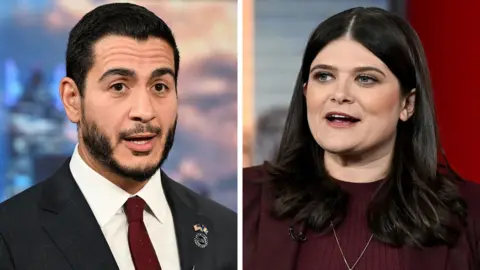
- El-Sayed, endorsed by left-wing politicians including Bernie Sanders and Alexandria Ocasio-Cortez, has voiced support for progressive causes like universal healthcare and abolishing US Immigration and Customs Enforcement.
- El-Sayed ultimately prevailed but by a far slimmer margin than data indicated, winning by 48.5% to Stevens’s 47.5%.
- The final margin was fewer than 15,000 votes (just under 1 percentage point) out of more than 1.5 million ballots counted.
- The IfNotNow Movement praised Abdul El-Sayed's victory and urged reconsideration of those who view his support for Palestinian human rights as a threat.
In a marquee Michigan race, Abdul El-Sayed edged Haley Stevens in a turnout-driven primary decided by a razor-thin margin. Official counts showed El-Sayed at 48.5% to Stevens at 47.5%, a gap of fewer than 15,000 votes out of more than 1.5 million ballots.2
The result crystallized a broader intra-party fight over direction, with El-Sayed riding a progressive wave that drew endorsements from Bernie Sanders and Alexandria Ocasio-Cortez and unsettling many moderates as the party eyes November. Leading Democrats quickly embraced him: “Democrats are united by a common purpose: putting a check on Donald Trump by defeating his Republican enablers and taking back the Senate. We look forward to working with Abdul and Democrats across to win this seat in November,” Schumer and Gillibrand said.1
Stevens, 43, pitched herself as the middle-ground candidate and captured the endorsements of Gov. Gretchen Whitmer and Sen. Gary Peters. As a contrast on policy, El-Sayed spoke out against US involvement in the Middle East, including aid to Israel, while Stevens stood firmly pro-Israel and pledged to uphold aid without conditions.
Financial dynamics underscored the stakes: The United Democracy Project, tied to AIPAC, spent more than $30 million assisting Stevens and opposing El-Sayed. In response, activist groups like IfNotNow framed El-Sayed’s victory as a win for Palestinian rights and broader equality.
Reaction within the Democratic Party ranged from the Trump-era framing of Republicans’ gains to calls for unity: Trump called the result “Great news for the Republican Party” on Truth Social, while Schumer, Gillibrand, Whitmer, Peters and others stressed unity ahead of November.
El-Sayed’s potential to become the first Muslim senator adds historical weight to a race that sharpened debates over how the party confronts unions, manufacturing jobs, foreign policy and the path to regaining Senate control.
As November nears, Democrats insist the Michigan result signals a coalition capable of flipping the seat and blocking a continued Trump agenda, while Republicans aim to convert a narrow win into a broader map of power.
“El-Sayed's victory was closer than expected, with fewer than 15,000 votes separating him from Stevens out of over 1.5 million ballots. The IfNotNow Movement praised the win, urging reconsideration of those who see his support for Palestinian rights as a threat.”

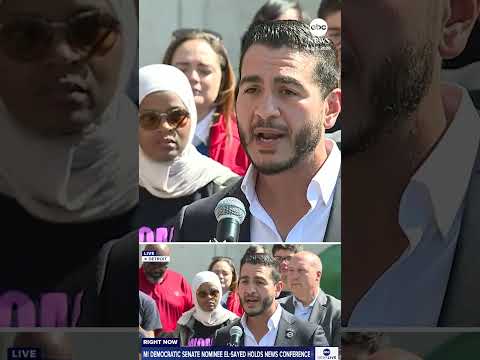
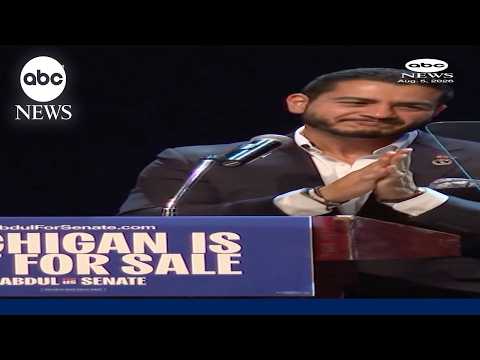

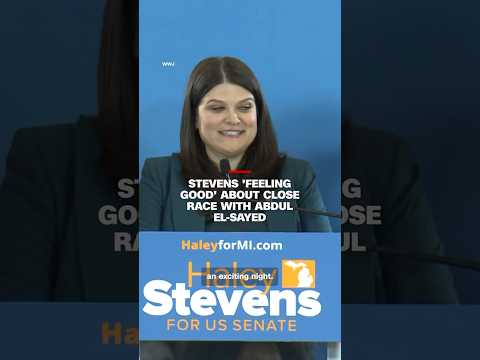




 BBC
BBC The Guardian



