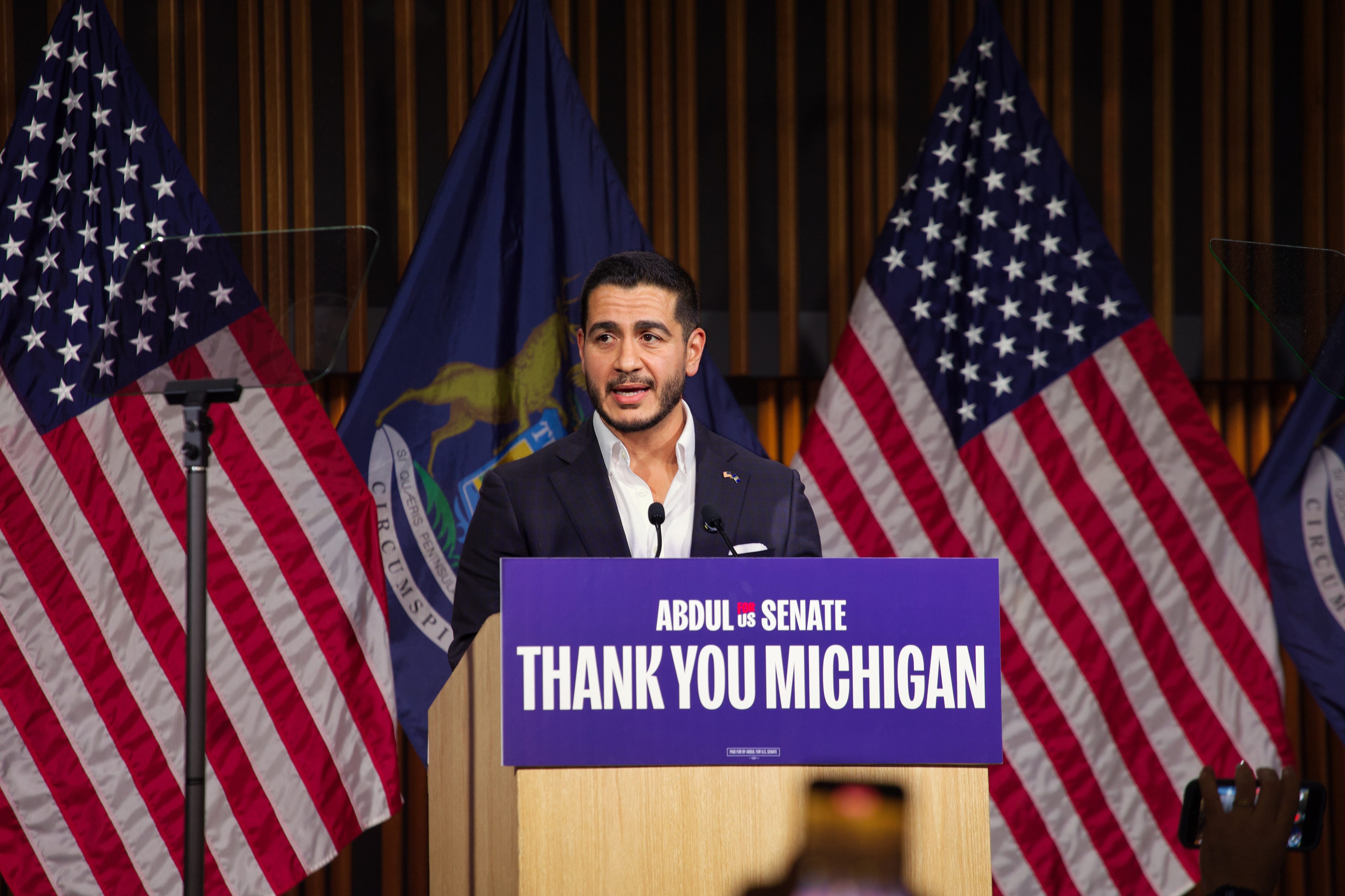
- Abdul El-Sayed won the Michigan U.S. Senate race, framing the attacks against him as attacks on the electorate and the idea of America, stating, 'They were targeting and attacking the very idea of America.'
- Following El-Sayed's victory, comedian Nasser Al-Rayess joked about 'one nation under Shawarma law,' making humorous demands such as turning the White House to face Mecca.
- Ezra Klein called El-Sayed 'a superstar' and described the attacks against him as 'reprehensible,' highlighting his impressive credentials.
- Bigoted efforts to defeat American Muslim candidates failed in various races, including the re-election of Congresswoman Ilhan Omar and Aber Kawas's historic win as the first hijab-wearing Palestinian-American in the New York State Senate.
- A Rutgers Law School report titled 'Punished for Participating: Islamophobia in U.S. Electoral Politics' analyzed 31 case studies over 25 years, identifying key ways Islamophobia appears in elections.
- The term 'Islamophobia-palooza', coined by comedian Mo Amer, refers to dark narratives that were turbo-charged and well-financed during the Michigan race, but ultimately failed.
- Salam Al-Marayati, president of the Muslim Public Affairs Council, noted that despite unprecedented intimidation tactics, the community's response was the opposite of what was intended.
- Lighthearted quips from Western Muslim comedians and public figures have helped normalize Muslims and counter conspiracy theories that undermine human rights and civil liberties.
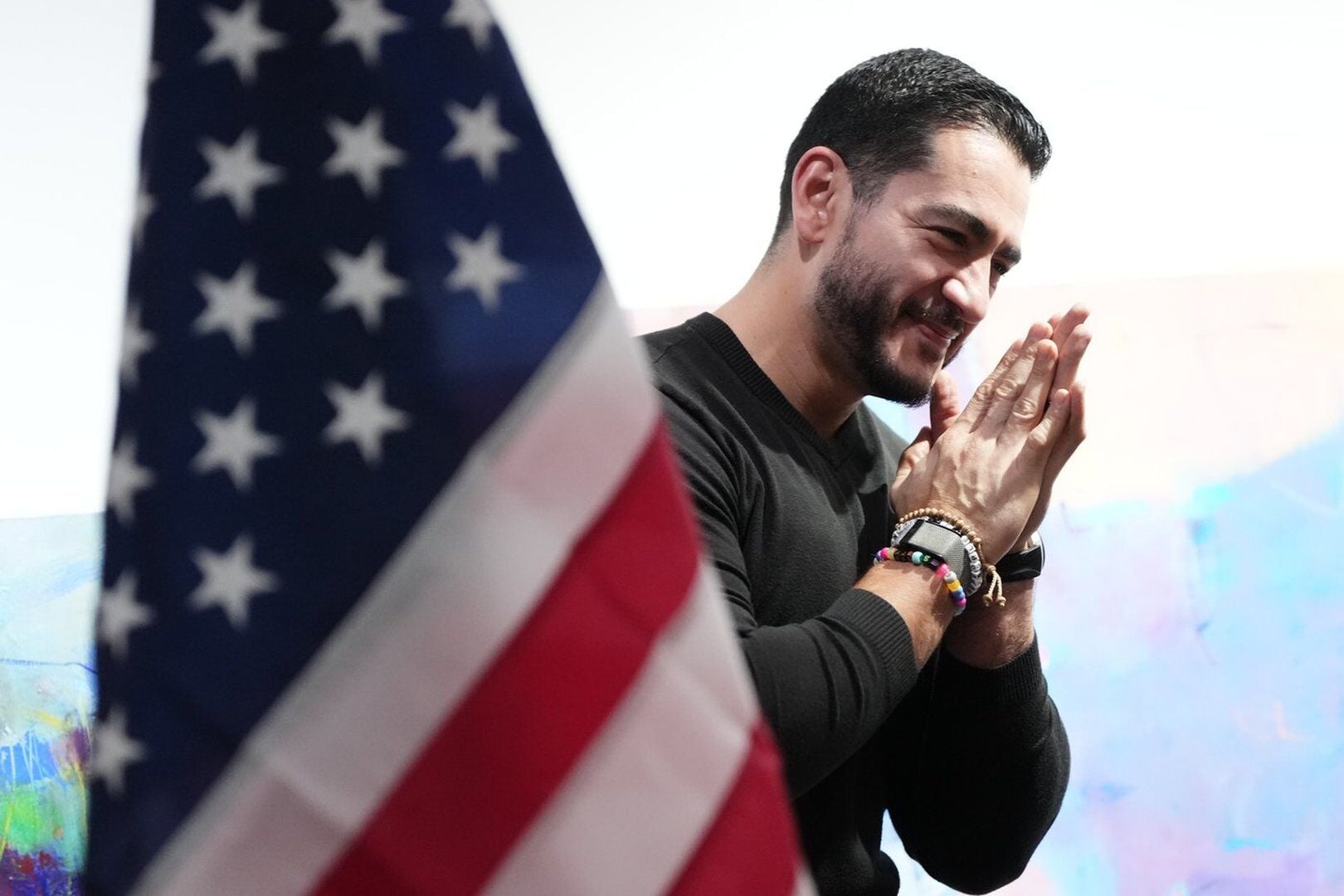
Abdul El-Sayed's recent victory in the Michigan Senate race has not only marked a significant milestone for Muslim representation but also sparked a wave of humor and resilience against Islamophobia. Following his win, a Syrian-American comedian humorously declared, “Now that we are one nation under Shawarma law,” presenting a satirical list of demands that included turning the White House to face Mecca and replacing the Statue of Liberty's flame with a shawarma wrap.1
This lighthearted approach comes amidst a backdrop of serious challenges faced by Muslim candidates. “Islamophobia-palooza,” as dubbed by comedian Mo Amer, highlights the dark narratives and bigoted tactics employed during the election, which ultimately failed to sway voters. “Despite efforts to intimidate our community and discourage participation in the democratic process, the response was the exact opposite,” stated Salam Al-Marayati, president of the Muslim Public Affairs Council.9
El-Sayed himself addressed the attacks during his victory speech, asserting, “They might have been pointing to my name and my faith, but we all know that my name and my faith aren’t the reason you can’t afford your gas.” His sentiments resonate with a broader trend, as similar efforts to undermine Muslim candidates across the country have also flopped, including the re-election of Congresswoman Ilhan Omar and Aber Kawas's historic win in New York.
As the political landscape evolves, El-Sayed's emergence as a prominent figure signals a shift towards greater acceptance and representation of Muslim voices in American politics.
“Comedian Nasser Al-Rayess jokingly demanded turning the White House to face Mecca and replacing the Statue of Liberty's flame with a shawarma wrap. El-Sayed's victory speech said attacks on him were "targeting and attacking the very idea of America," while Rutgers' report analyzed 31 case studies over 25 years.”
 The Globe and Mail