
- Microsoft made claims of a quantum breakthrough in February 2025 when it unveiled a chip featuring a topological qubit, predicting that this breakthrough would allow for practical quantum computing in years, not decades.
- A critique published in Nature challenges Microsoft’s quantum computing claims, asserting that the company did not conclusively demonstrate a working topological qubit.
- Dr. Henry Legg's paper critiques research published by Microsoft in 2025, highlighting coding errors in the software used to validate their quantum devices.
- Legg's analysis reveals that Microsoft’s software omitted critical regions of the device's phase space due to programming errors, leading to misleading conclusions.
- Last year, Microsoft claimed it had both observed Majorana particles and harnessed them in a quantum computer, but this assertion faced skepticism from the scientific community.
- Legg accused Microsoft of not sharing enough data for independent scrutiny, which is essential for validating scientific research.
- Microsoft's rebuttal to Legg's critique stated that they stand by their results and roadmap, asserting that Legg's analysis is based on selective examination.
A critique published in *Nature* by Dr. Henry Legg challenges Microsoft’s claims regarding its Majorana qubit technology, asserting that the company did not conclusively demonstrate a working topological qubit. Legg's analysis highlights coding errors in Microsoft’s software that he argues led to misleading results.78

Legg stated, "There were two pretty basic Python programming errors that hid these alternative regions," indicating that the software used to validate the quantum devices was flawed. He further elaborated, "Last year Microsoft claimed they had built the equivalent of a precision Swiss watch. However, when I opened the case to examine the mechanism, I found what looked like a chaotic jumble of mismatched parts."
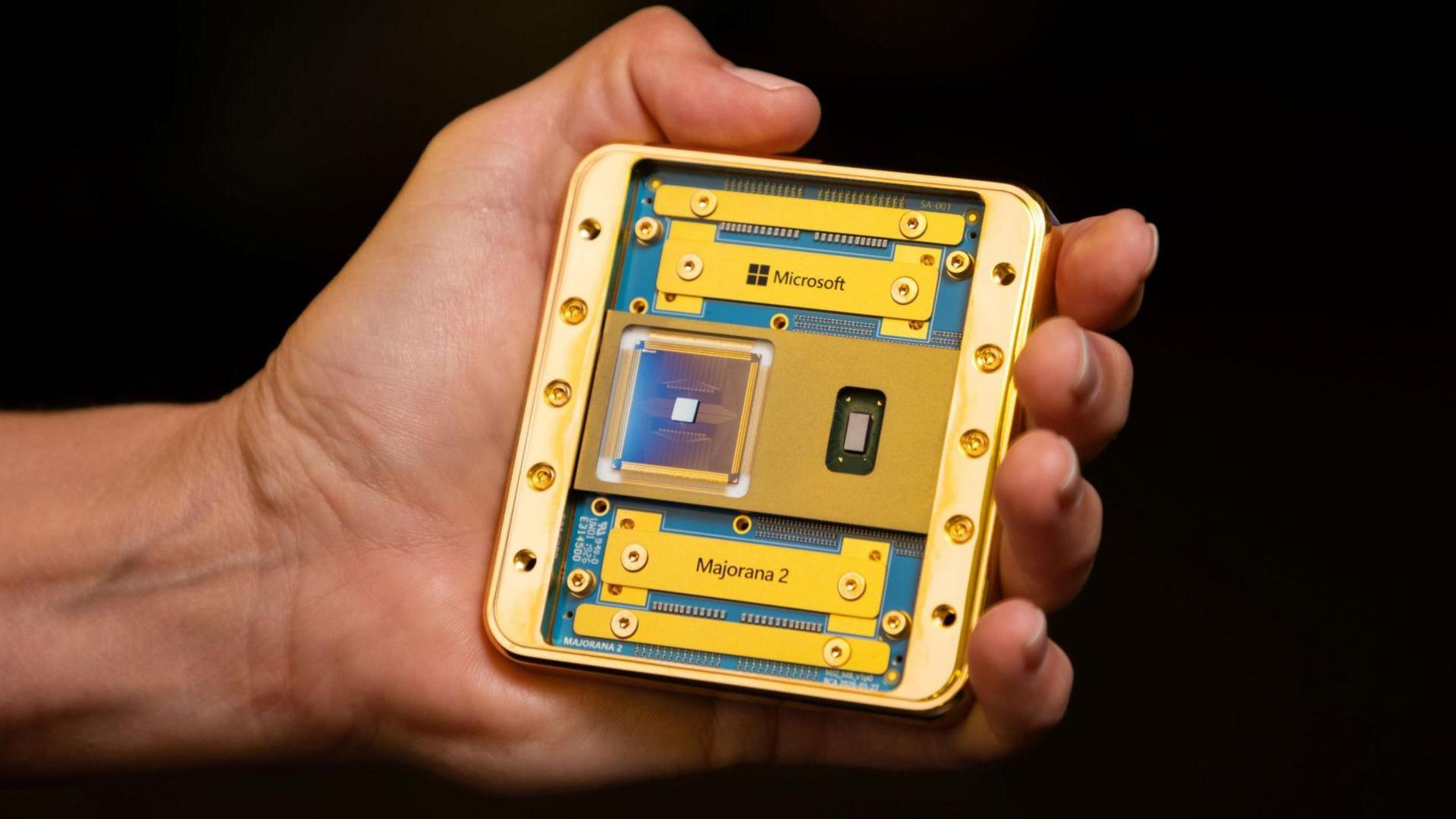
The critique, which follows Microsoft’s announcement of its Majorana 2 chip, questions the validity of the company’s previous claims of a quantum breakthrough, made in February 2025. Microsoft had asserted that this technology would enable practical quantum computing within “years, not decades.” However, Legg argues that the data presented by Microsoft does not support these claims, stating that the raw conductance data reveals a “highly disordered system” rather than the pristine topological gap required for quantum computing.
Despite the critique, Microsoft maintains its position, with Chetan Nayak, a physicist leading the quantum team, asserting, “We 100% stand behind our results.” The ongoing debate highlights the skepticism surrounding Microsoft’s quantum advancements, with Legg’s paper reinforcing doubts that have persisted in the scientific community.
Legg's critique emphasizes the importance of rigorous scientific validation, stating that Microsoft has not shared sufficient data for independent scrutiny, a cornerstone of scientific research.
“A recent critique in Nature questions the validity of Microsoft's quantum computing claims, highlighting significant coding errors in their research. Dr Henry Legg asserts that these flaws undermine the credibility of Microsoft's assertions regarding the Majorana particle.”
