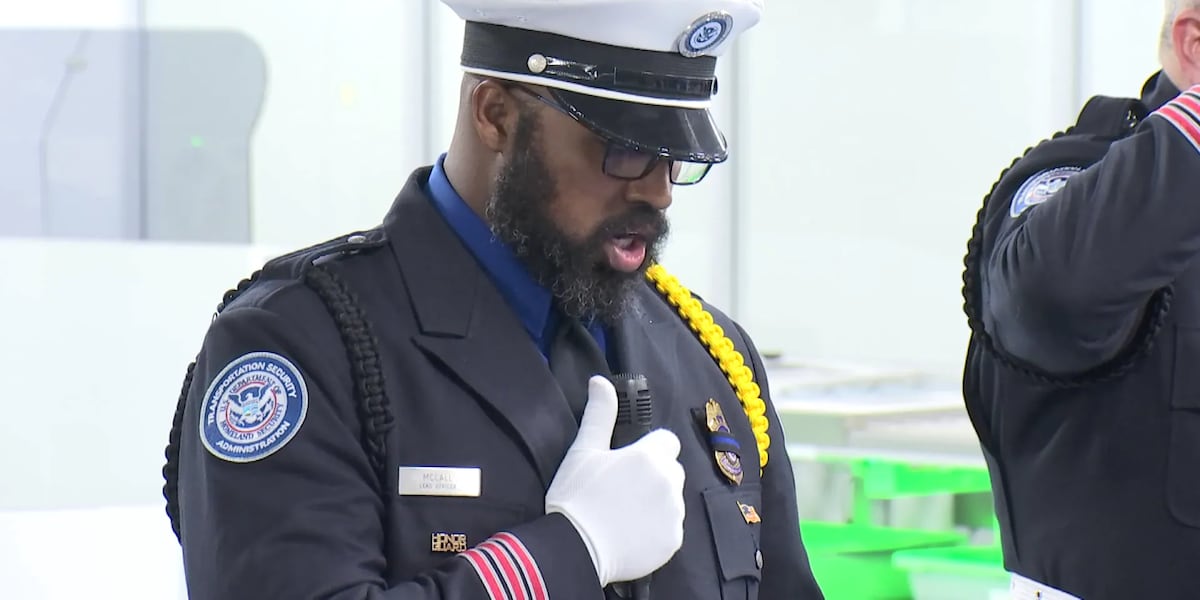
- On the 25th anniversary of the September 11 attacks, the Trump administration has scaled back expanded security measures at airports, including the potential lifting of liquid restrictions for TSA PreCheck passengers.
- The TSA has launched a new program called 'Gateside' at 13 airports, allowing non-ticketed TSA PreCheck members to access gate areas, enhancing the travel experience for those accompanying travelers.
- In recent years, the TSA has changed its stance on some 9/11-era screening procedures, including ending the requirement for passengers to remove their shoes during security checks.
- The liquid restrictions in carry-ons were implemented after a 2006 plot to bring liquid explosives on flights was foiled, and these regulations remain officially unchanged.
- The TSA Gold+ program was recently scrapped, with plans for a new screening partnership program to better utilize the private sector in aviation security.
- The 9/11 attacks on September 11, 2001, resulted in nearly 3,000 deaths and led to significant changes in airport security protocols across the United States.
- The shoe removal rule was implemented after Richard Reid, known as the 'shoe bomber', attempted to ignite explosives hidden in his shoe on a flight in December 2001.
- The liquid restrictions were established following a 2006 plot that aimed to use liquid explosives on flights, which has shaped ongoing security measures.
Twenty-five years after the September 11 attacks, the U.S. is revising airport security protocols, reflecting advancements in technology and changing perceptions of risk.
The Transportation Security Administration (TSA) recently announced that some TSA PreCheck passengers can now access secure gate areas without a boarding pass, a significant shift from post-9/11 restrictions.
“If you work in an airline in a senior position, you are always conscious of your own personal responsibility,” said Philip Saunders, an airline executive who experienced the immediate aftermath of the attacks.

He recalled feeling “total numbness” as he processed the implications for airline safety, which led to the removal of metal utensils and glassware from flights.
The TSA has also relaxed some screening measures, allowing passengers to keep their shoes on and reconsidering liquid restrictions for TSA PreCheck members.15610
“There’s some things you can do that you couldn’t do in the past that technology allows you to get to,” noted Jamil Jaffer, highlighting the evolution in screening technology.
Despite these changes, experts warn that “if we do all these things simultaneously and we take our eye off the ball, it could be that a terrorist attack is successful.”

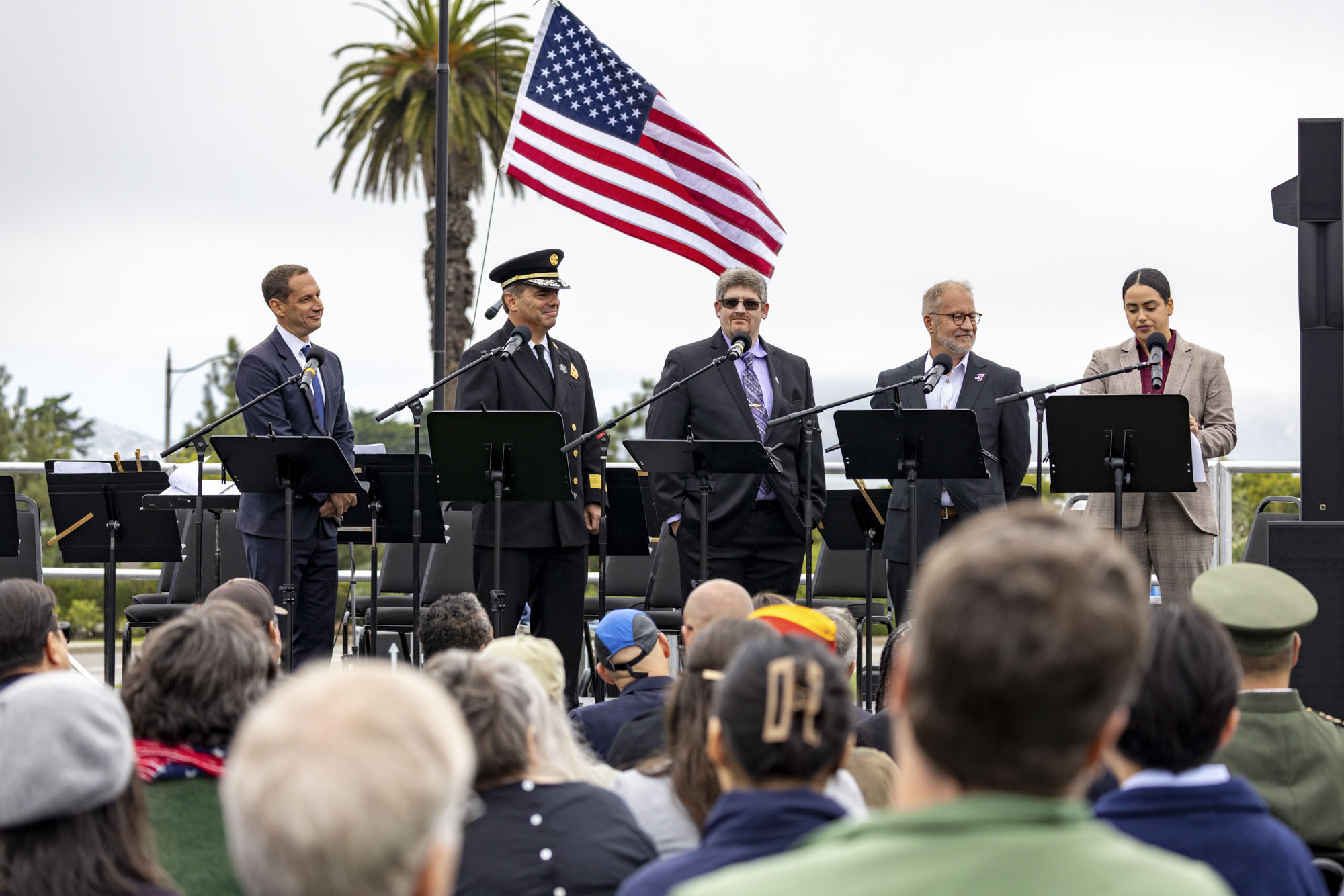
The anniversary of 9/11 serves as a reminder of the ongoing balance between security and convenience in air travel.
The TSA's new program, called “Gateside,” allows trusted travelers to accompany others beyond security, a move aimed at enhancing the travel experience while maintaining safety.
As the threat landscape evolves, the TSA continues to adapt its policies, reflecting both technological advancements and the lessons learned from past tragedies.
“The TSA's new 'Gateside' program, launched at 13 airports, allows PreCheck members to escort non-ticketed visitors to gates, a shift from post-9/11 restrictions. Meanwhile, DHS ended the shoe removal rule last year, but the agency's inspector general found body scanners couldn't always see through shoes.”


 BBC
BBC