- Polls began closing at 6 p.m. ET, with Indiana and Kentucky the first states to close some polls at 6 p.m., followed by Georgia, South Carolina, Vermont, and Virginia by 7 p.m. Tight races include Kentucky's 6th Congressional District, rated a "Toss Up", and Senate races in South Carolina ("Lean R") and Georgia ("Lean D").
- Guam ousted its Republican congressional delegate, marking the first Democratic flip of the midterms, with Democrat Alicia Limtiaco beating incumbent GOP Del. James Moylan by about 2.2 percentage points. Republican Vicente "Tony" Ada won Guam's governorship, and Trump congratulated Ada without mentioning Limtiaco's victory.
- The North Carolina State Board of Elections extended voting hours in Lenoir County until 8 p.m. and Columbus County until 8:15 p.m. due to technical delays, with shorter extensions in Wilson and Hertford counties, delaying statewide results by 45 minutes.
- Political advertisers spent a record $11.87 billion this election cycle, according to AdImpact, surpassing even the 2024 presidential election and up sharply from about $8.22 billion at the same point in 2022.
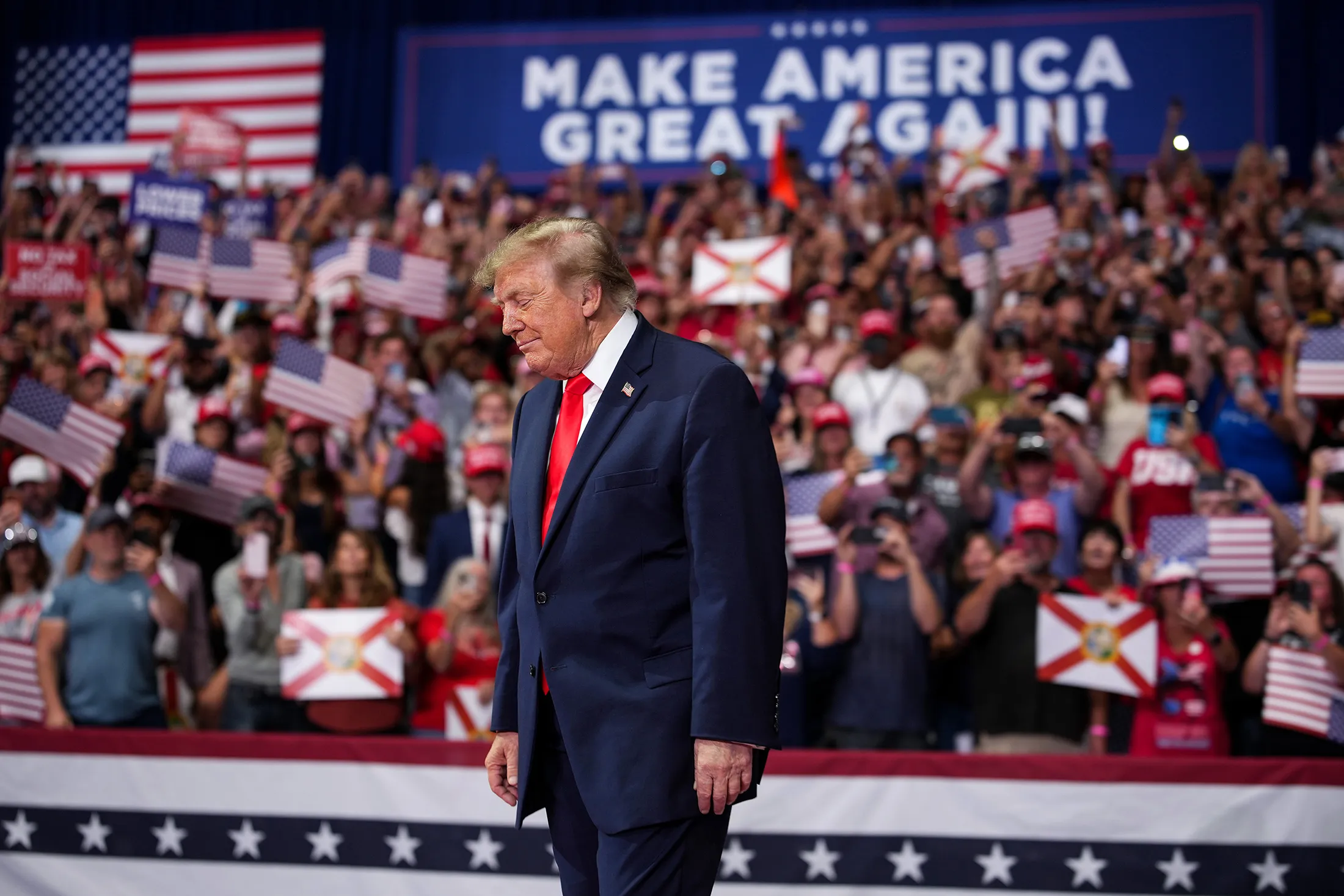
- President Trump is watching election results from the White House, with an "Election Night Viewing Reception" scheduled in the East Room at 7 p.m. ET. Earlier, at 5:25 p.m. ET, he wrote on Truth Social that he would temporarily stop watching Fox News due to liberal commentator Jessica Tarlov.
- According to the CNBC Voter Poll, voters held a negative view of President Donald Trump's tariffs: 65% said tariffs have hurt the national economy, while 63% said they hurt local economies; only 22% and 15% said they helped, respectively.
- The CNBC Voter Poll found that 75% rated the economy as "not so good or poor," 69% said benefits flow to the wealthy, and 87% were concerned about gas prices. On party trust, 43% trusted Democrats more on the economy versus 38% for Republicans.
- A Goldman Sachs report indicates more Democrats voted early than in 2024, though Republicans' Election Day voting may narrow the turnout gap. The report suggests results in Kentucky's 6th Congressional District (which favored Trump by 15 points in 2024) and Florida's 14th Congressional District (redrawn via gerrymandering) may offer early clues.
Polls have begun closing across the U.S. as voters decide the fate of all 435 House seats and 35 Senate seats, with control of Congress at stake. Voter dissatisfaction with President Trump's tariffs is evident, as 65% of respondents in a CNBC poll believe these tariffs have negatively impacted the economy.36
Only 22% say they helped, while 63% feel tariffs have hurt their local economies. This sentiment reflects broader concerns about economic inequality, with 75% of voters rating the economy as not so good or poor and 87% expressing concern over rising gas prices.
The Department of Justice is deploying approximately 1,000 election monitors across all 50 states, marking its largest monitoring effort in history, aimed at ensuring election integrity amid ongoing lawsuits related to the Trump administration's election policies.
Political spending has reached a record $11.87 billion this election cycle, surpassing even the 2024 presidential election, indicating the high stakes involved.5
As results come in, early voting trends show a significant Democratic turnout, with more Democrats voting early compared to previous elections, suggesting a potential shift in power dynamics.
“The CNBC Voter Poll found 75% rate the economy as not so good or poor, and 87% are concerned about gas prices. Early voting data from Goldman Sachs indicates more Democrats voted early than in 2024, but the final turnout gap may narrow.”
 CNBC