- The 10-year Treasury yield climbed to nearly 5.18% on Thursday, marking its highest level since 2007.
- The Federal Reserve hiked its federal funds rate last week for the first time since 2023 to combat inflation.
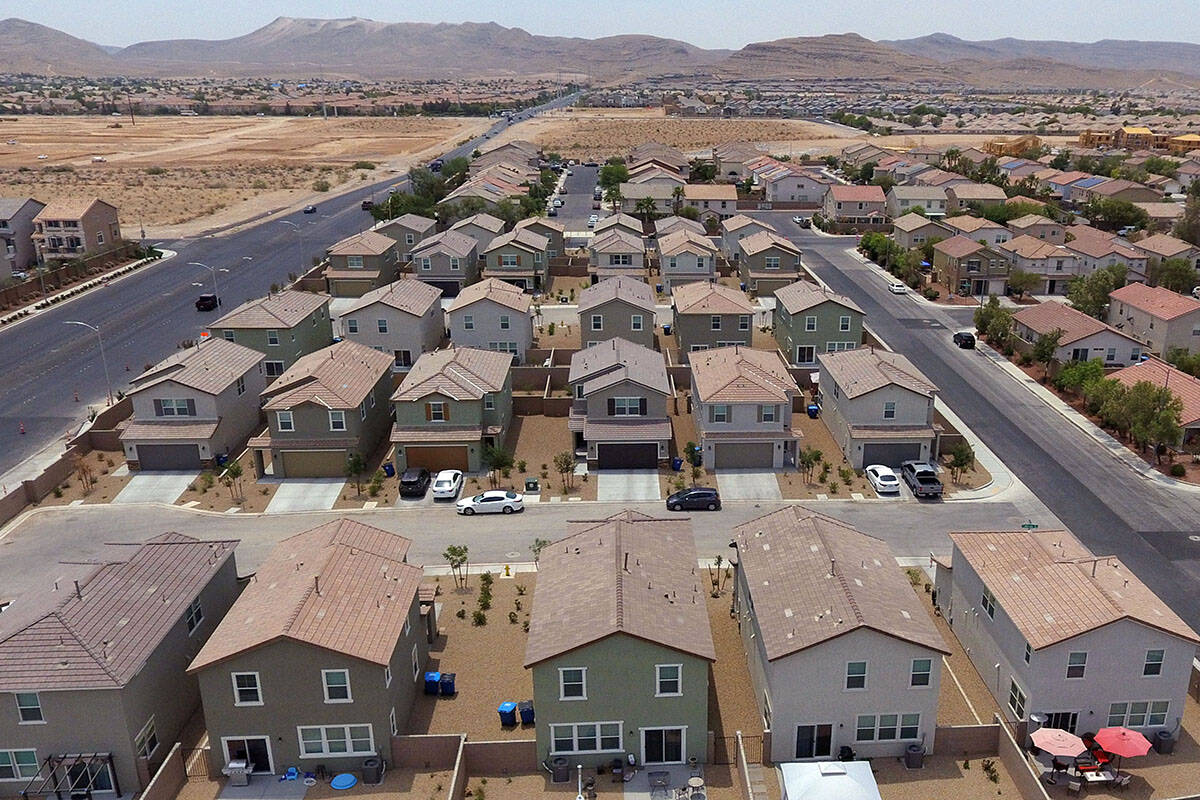
- The average long-term U.S. mortgage rate reached 7% for the first time since early 2025, making home buying more challenging.
- Traders are betting on further Fed hikes, which has sent shorter-term yields higher.
- The 10-year yield bottomed below 0.50% in 2020 due to the COVID pandemic.
- Before the recent escalation, the yield was at 3.97% prior to the U.S. and Israel attacking Iran.
- Higher Treasury yields are expected to impact borrowing costs for various loans, including mortgages and auto loans.
- The rise in yields presents a bond-buying opportunity for investors, especially those nearing retirement.
- The recent rise in yields is attributed to higher oil prices and inflation concerns.
The yield on the 10-year Treasury note has reached 5.208%, marking the highest level since June 2007. This increase is attributed to rising oil prices and expectations of further Federal Reserve rate hikes, which have also pushed mortgage rates to 7%, complicating homebuying efforts.12
The surge in yields affects various sectors, including stocks and consumer loans. "As the 10-year yield goes up, borrowing costs for mortgages also go up almost in lockstep with it," says Dominic J. Pappalardo, chief multi-asset strategist at Morningstar Wealth. "Things like auto loans are also impacted." Higher yields could lead to increased interest payments for taxpayers as the government borrows more to cover its spending gap.5
Despite the challenges, the current environment presents a "generational income opportunity" for investors, according to Steve Laipply, global co-head of iShares Fixed Income ETFs for BlackRock. "If you have money in savings or money to invest as interest rates go up, you are being paid a higher interest rate or generating more income from your savings and investments because of the yields moving up," he adds.

Investors are advised to consider their time horizons when investing in bonds. "Do they want to invest for a period of five years, or are they comfortable investing longer-term?" Laipply suggests.
While the current spike in yields may be attractive, experts warn that they could continue to rise if the Fed implements more rate hikes or if oil prices escalate further. "Even if rates go from 5% to 6%, yeah, you may see some price decline, but it's relatively marginal," Laipply notes.
“The yield's surge has pushed the average long-term U.S. mortgage rate to 7% for the first time since early 2025, making homebuying harder. Meanwhile, BlackRock's Steve Laipply calls the elevated yields a 'generational income opportunity' for savers and investors.”
 cnbc.com