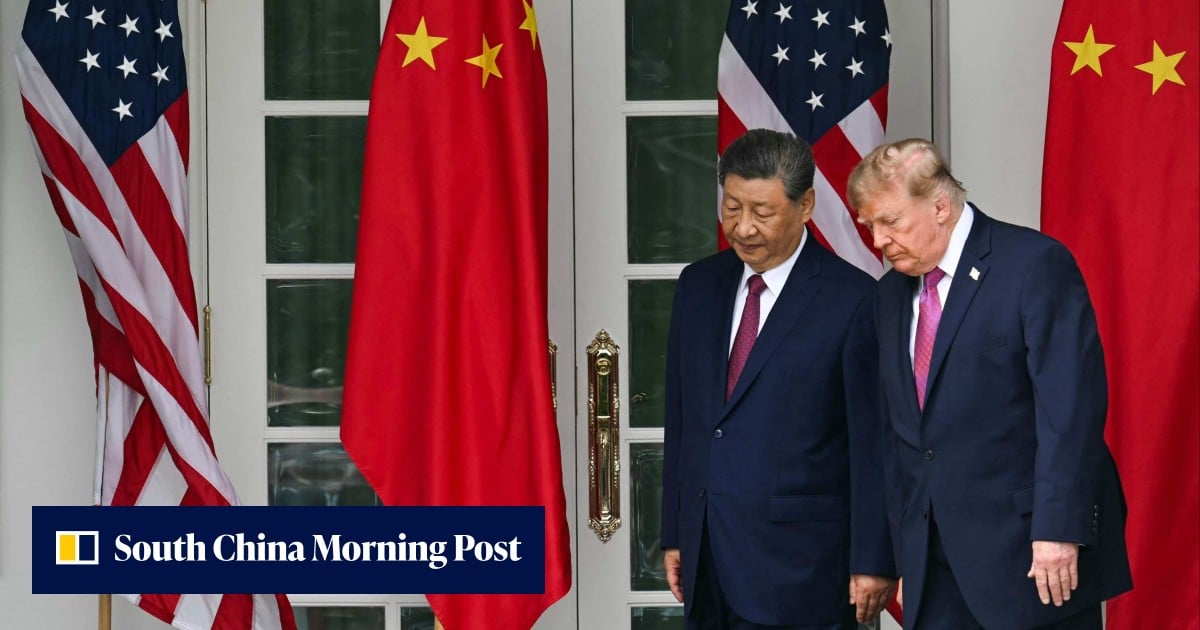
- During Xi Jinping's visit, the two sides reached an eight-point consensus, including a $30 billion reciprocal tariff-reduction arrangement and to launch dialogue on AI, according to China's Ministry of Foreign Affairs.
- The two sides recognised the work of their economic teams and endorsed steps including the establishment of a trade council, the tariff-reduction arrangement, and an extension of outcomes from earlier talks in Kuala Lumpur.
- They also agreed to support each other in hosting the Asia-Pacific Economic Cooperation (APEC) leaders' meeting and the Group of Twenty (G20) summit, with both leaders signalling intention to attend the gatherings hosted by the other.
- On foreign policy, the leaders agreed that Iran should fulfil its commitment not to develop nuclear weapons, and that no country or entity should impose transit tolls on international waterways.
- The US and China had earlier agreed to a trade truce due to expire on November 10, allowing more time to work on a potentially bigger trade deal, said US Treasury Secretary Scott Bessent.
- On artificial intelligence, the two sides agreed to establish a dialogue to discuss the technology's risks and benefits, with the next round set for November, and to set up a communication channel for AI-related incidents.
- They also recalled that China and the United States fought as allies in World War Two.
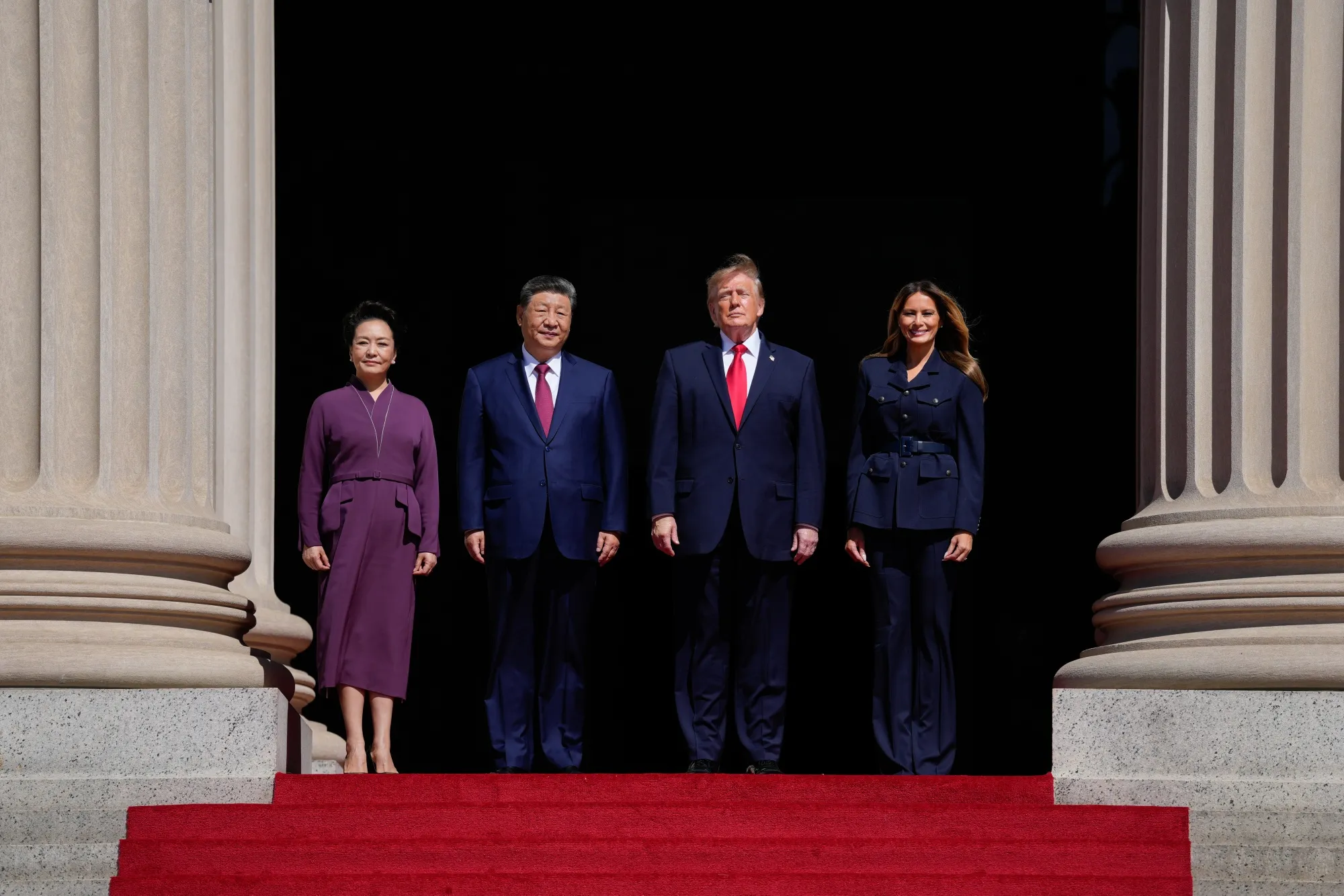
China and the US have agreed to a $30 billion reciprocal tariff cut and initiated dialogue on artificial intelligence during President Xi Jinping's state visit. This agreement, described as an eight-point consensus, includes the establishment of a trade council and support for each other in hosting the APEC and G20 summits.16
The Ministry of Foreign Affairs of China stated that both sides recognized the efforts of their economic teams and endorsed steps to extend outcomes from previous discussions held in Kuala Lumpur. The tariff-reduction arrangement aims to foster better trade relations and is part of a broader strategy to maintain a trade truce that was set to expire on November 10, as noted by US Treasury Secretary Scott Bessent.25
In addition to trade, the two nations agreed to establish a dialogue on artificial intelligence to address its risks and benefits, with the next discussion scheduled for November. They also plan to create a communication channel for AI-related incidents, enhancing cooperation in this critical area of technology.
Furthermore, the leaders reaffirmed their commitment to international cooperation, agreeing that Iran should adhere to its nuclear commitments and that no country should impose tolls on international waterways. This visit marks a significant step in US-China relations, recalling their historical alliance during World War Two.4
“The eight-point consensus also includes establishing a trade council and extending outcomes from earlier talks in Kuala Lumpur. The two sides agreed to support each other in hosting APEC and G20 summits, and to set up a communication channel for AI-related incidents.”