- Binance lost $6.3 billion in an Oct. 29 hack attributed to North Korean hackers, according to the FBI.
- Mercado Bitcoin suspended deposits and withdrawals after an estimated $46 million outflow due to a security incident.
- Swan Bitcoin founder Cory Klippsten stated that AI and large language models pose a more immediate threat to Bitcoin security than quantum computing.
- Klippsten estimated that quantum computers capable of breaking Bitcoin's cryptography are at least a decade away.
- He warned that rushing to implement quantum-resistant protections would introduce unnecessary complexity.
- Klippsten argued that AI-driven hacking is a more immediate danger to Bitcoin security than quantum computing.
- He suggested that some cryptocurrency startups and investors have exaggerated quantum risk to attract funding.
- Klippsten emphasized that cryptocurrency companies cannot rely on hastily developed software for security.
- He noted that the near-term risk comes from AI tools in the hands of attackers probing crypto infrastructure.

AI poses a more immediate threat to Bitcoin security than quantum computing, according to Swan Bitcoin founder Cory Klippsten. He emphasized that hackers are leveraging large language models to probe crypto infrastructure, making exchanges increasingly vulnerable.3
Klippsten stated, “I think we’re finding out that the near term threat is actually AI. That it’s these LLMs in the hands of hackers going and poking through everything.” This warning comes amid significant security incidents, including Brazil’s Mercado Bitcoin halting deposits after an estimated $46 million outflow and Binance suffering a $6.3 billion loss attributed to North Korean hackers.12
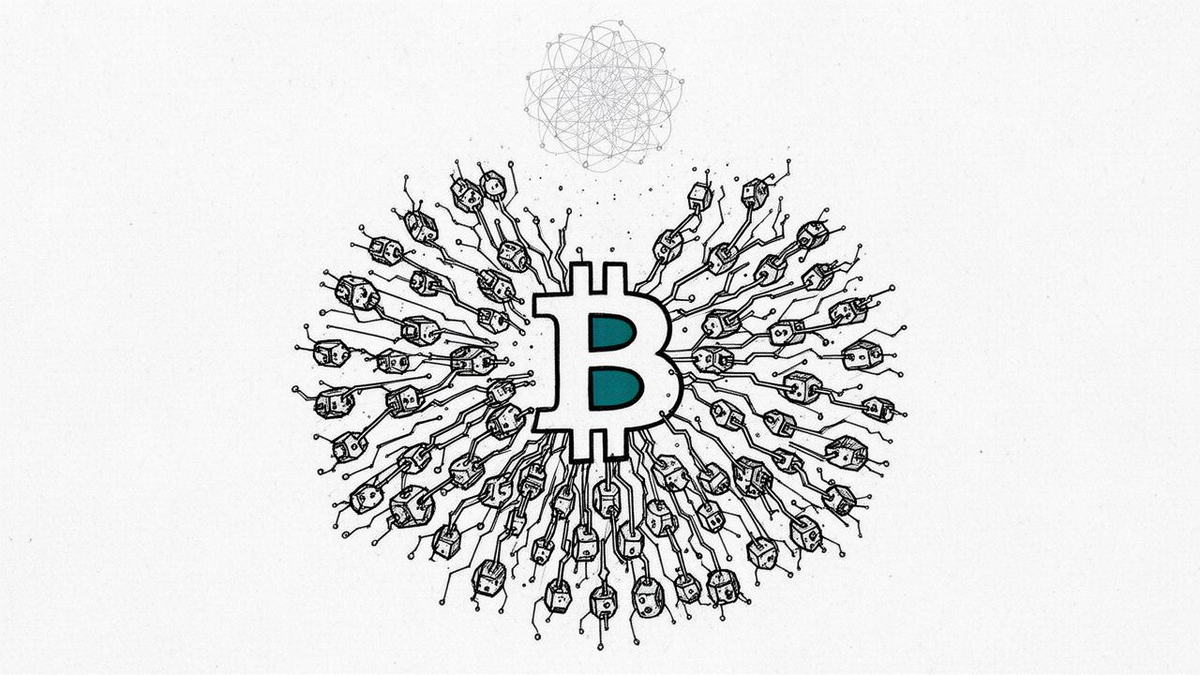
He noted that quantum computers capable of threatening Bitcoin’s cryptography are still at least a decade away, suggesting that “moving early” to implement quantum-resistant protections could complicate the network unnecessarily. Instead, he urged cryptocurrency firms to focus on robust security measures, stating, “You need to actually know what the hell you’re doing from a security standpoint.”45
Klippsten also criticized some startups for using fears of quantum computing to attract funding, labeling the discourse as “fear, uncertainty and doubt” rather than a pressing concern. He concluded that while quantum readiness is a long-term issue, AI-assisted intrusions are occurring now, as evidenced by the recent breaches that resulted in massive financial losses.
“Klippsten estimated that quantum computers able to break Bitcoin's cryptography are at least a decade away, and argued that rushing quantum-resistant protections would introduce needless complexity. He also accused some startups and investors of exaggerating quantum risk to attract funding, calling much of the discussion 'FUD' rather than an imminent danger.”
 TradingView