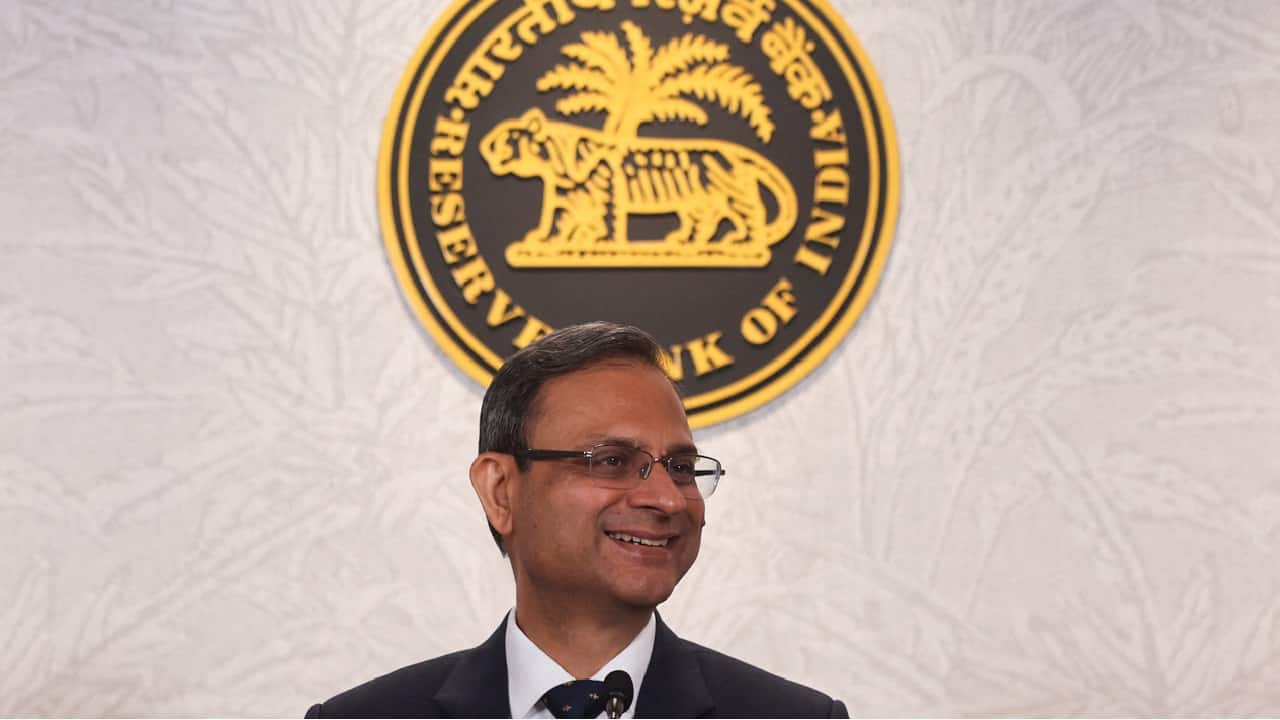
- Reserve Bank of India Governor Sanjay Malhotra said at the FIBAC 2026 conference that AI could fundamentally change the economics of credit delivery, much as UPI transformed payments.
- Malhotra urged banks to use AI tools to augment rather than merely replace human judgment to serve customers better, and emphasized that the RBI sees AI as a capability to be responsibly harnessed, not a risk to be contained.
- Reserve Bank Governor Sanjay Malhotra asked banks to have meaningful human oversight over decisions as a design principle while building AI models, making clear that blaming technology tools will not be acceptable to the regulator.
- Malhotra said AI could help banks expand the frontier of bankability by using alternative data like cash flows, GST filings, and utility payment bills to assess new-to-credit borrowers and underserved sections.
- He warned that careless AI deployment could create new forms of exclusion and instability, and banks must address risks around algorithmic bias, concentration, third-party vendors, data privacy, and cyber threats.
- Malhotra explained that a relationship manager assisted by an AI system that presents the right product and the right risk flag can serve a higher number of customers more efficiently.
RBI Governor Sanjay Malhotra highlighted the potential of artificial intelligence (AI) to revolutionize lending, similar to how Unified Payments Interface (UPI) transformed payments. Speaking at the FIBAC 2026 conference, he stated that AI could enable banks to assess borrowers using alternative data, expanding the frontier of bankability for new-to-credit borrowers and underserved communities.134
Malhotra noted that AI could enhance customer service and operational efficiency, allowing relationship managers to serve more clients effectively. He emphasized that AI should augment human judgment rather than replace it, stating, “For a bank’s decision, the ultimate responsibility has to lie with the bank and not with the vendor or the algorithm.”

He warned of the risks associated with AI, including algorithmic bias and data privacy concerns, urging banks to maintain meaningful human oversight in AI decision-making processes. Malhotra stated, “Meaningful human oversight, the ability to explain, to intervene, and where necessary to override, must remain a design principle and not an afterthought.”5
The RBI is pursuing a principles-based approach to AI regulation, expecting banks to establish governance policies and maintain inventories of AI models. Malhotra concluded that while AI presents opportunities, it must be deployed responsibly to avoid creating new forms of exclusion and instability.
“Malhotra highlighted India's digital public infrastructure—Aadhaar, UPI, DigiLocker, the Account Aggregator framework, and the Unified Lending Interface—as a particular advantage for AI deployment. He warned that careless AI use could create exclusion and instability, stressing that ultimate responsibility for a bank's decision lies with the bank, not the vendor or algorithm.”





