- Raghuram Rajan has proposed taxing artificial intelligence tokens used by companies and offering tax credits for retraining workers, arguing that current tax systems favor machines over human labor.
- In a Project Syndicate column, Rajan stated that AI-related job displacement is imminent, although its speed and impact remain uncertain.
- He noted that social-security contributions for employees create a disparity, as companies face no similar charges for using AI.
- Rajan suggested starting the tax at a low rate and increasing it gradually, while providing credits for retraining and retaining workers.
- He cited US Census data indicating that overall business AI use is between 17-20%, with 37% among large companies.
- Rajan cautioned that competitive pressure could accelerate AI adoption and job displacement, urging firms to assist employees during the transition.
- Rajan emphasized that the tax on AI tokens could help replenish government treasuries while discouraging rapid workforce reductions.
- He proposed that the tax rate should be calibrated carefully to avoid hindering AI deployment.
- Rajan noted that while corporate adoption of AI has been slower than expected, many companies are still in pilot phases.
- He highlighted that only 20% of companies with over 20 employees currently utilize AI, allowing time for adjustment.
Raghuram Rajan, former Reserve Bank of India governor, has proposed a tax on corporate artificial intelligence (AI) tokens to address potential job losses as AI adoption increases. In a recent Project Syndicate column, he highlighted the need for a balanced approach to labor and automation.12
Rajan noted that existing tax systems favor automation over human labor, stating, “A US firm contributes social-security payments for every worker, but not for AI,” which makes automation financially attractive. He suggested that a minimal tax on AI tokens could replenish government treasuries while discouraging rapid workforce reductions.8
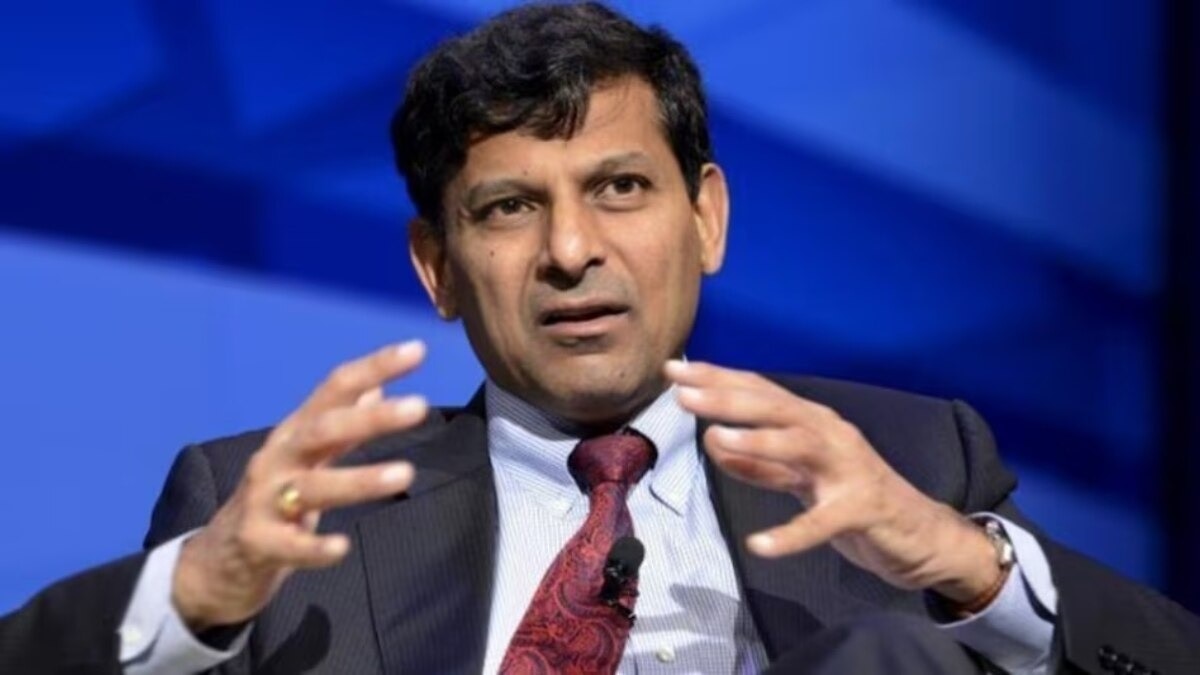
The US Census Bureau data shows that overall business AI use is currently at 17-20%, with adoption among larger companies at 37%. Rajan cautioned that competitive pressures could accelerate AI adoption and job displacement, urging companies to help employees transition through retraining.567
He proposed pairing the token tax with tax credits for businesses that retrain and retain workers, with benefits tied to how long employees remain employed after skill upgrades. Rajan emphasized that while the transition may be gradual, companies must actively support their workforce, stating, “More important than tax incentives, however, will be firms' acknowledgement that they are fully engaged in helping their employees cope with an uncertain future.”
“Rajan argues that US firms pay social-security contributions for workers but not for AI, making automation artificially cheaper. He suggests starting with a low tax rate and increasing it gradually, while noting that only 20% of companies with over 20 employees currently use AI, giving time to adjust.”
 Business Today