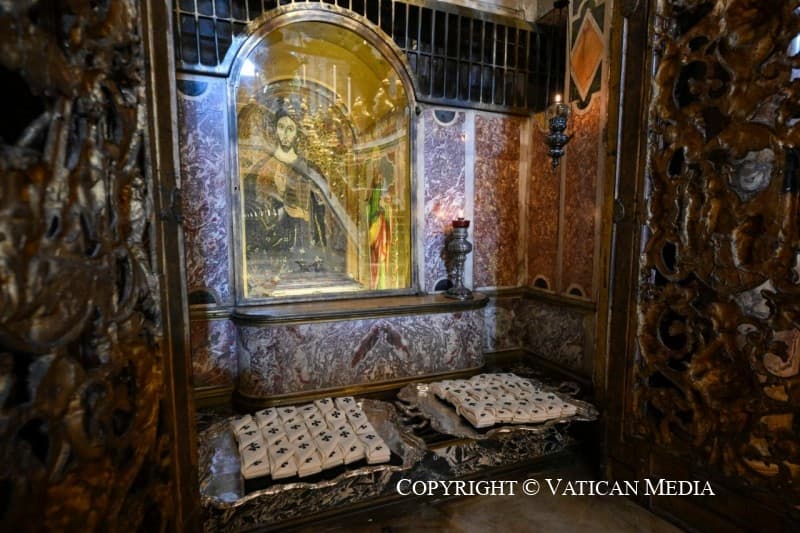
- Pope Leo XIV celebrated Mass for the Solemnity of Saints Peter and Paul in St. Peter’s Basilica on Monday.
- Archbishop James Checchio of the Archdiocese of New Orleans received the pallium and blessing from Pope Leo XIV during the Mass.
- Pope Leo XIV invited the new Metropolitan Archbishops receiving their pallium to imitate the Lord and be Good Shepherds to the faithful entrusted to them.
- The Mass was part of a significant gathering of senior prelates, indicating Pope Leo XIV's approach to governance and synodality.
- Pope Leo XIV emphasized the importance of looking to Saints Peter and Paul as models for unity and service.
Pope Leo XIV celebrated Mass for the Solemnity of Saints Peter and Paul in St. Peter's Basilica, emphasizing the importance of these saints as models for unity and service.1
"It is important for us today to look to these two Saints—Peter and Paul—to understand how we, in turn, can be apostles and builders of unity," he stated.
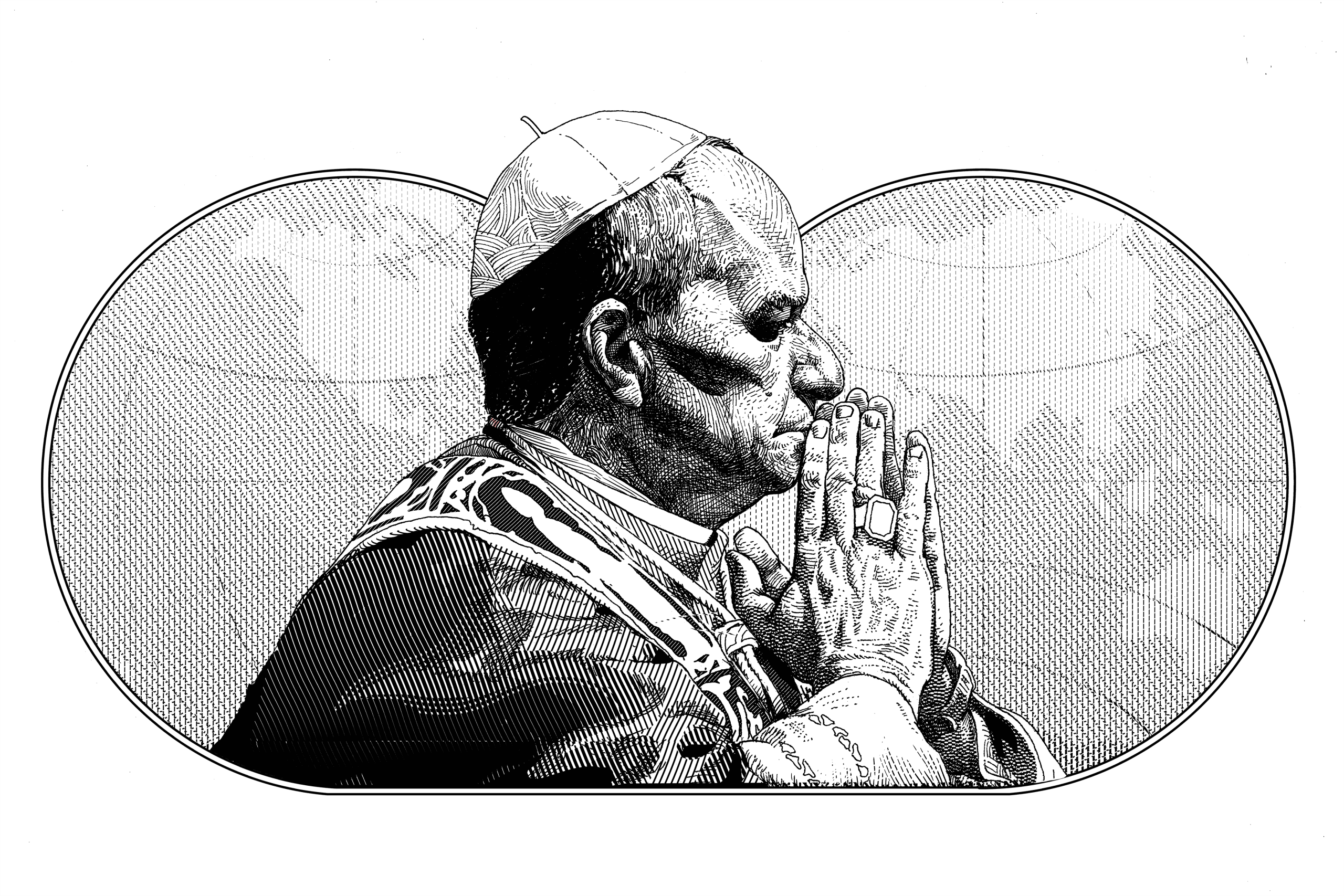
The Mass included the traditional blessing of the pallium, a symbol of authority for the new archbishops.
Archbishop James Checchio of New Orleans was among 54 archbishops receiving the pallium, which signifies their pastoral responsibility.23
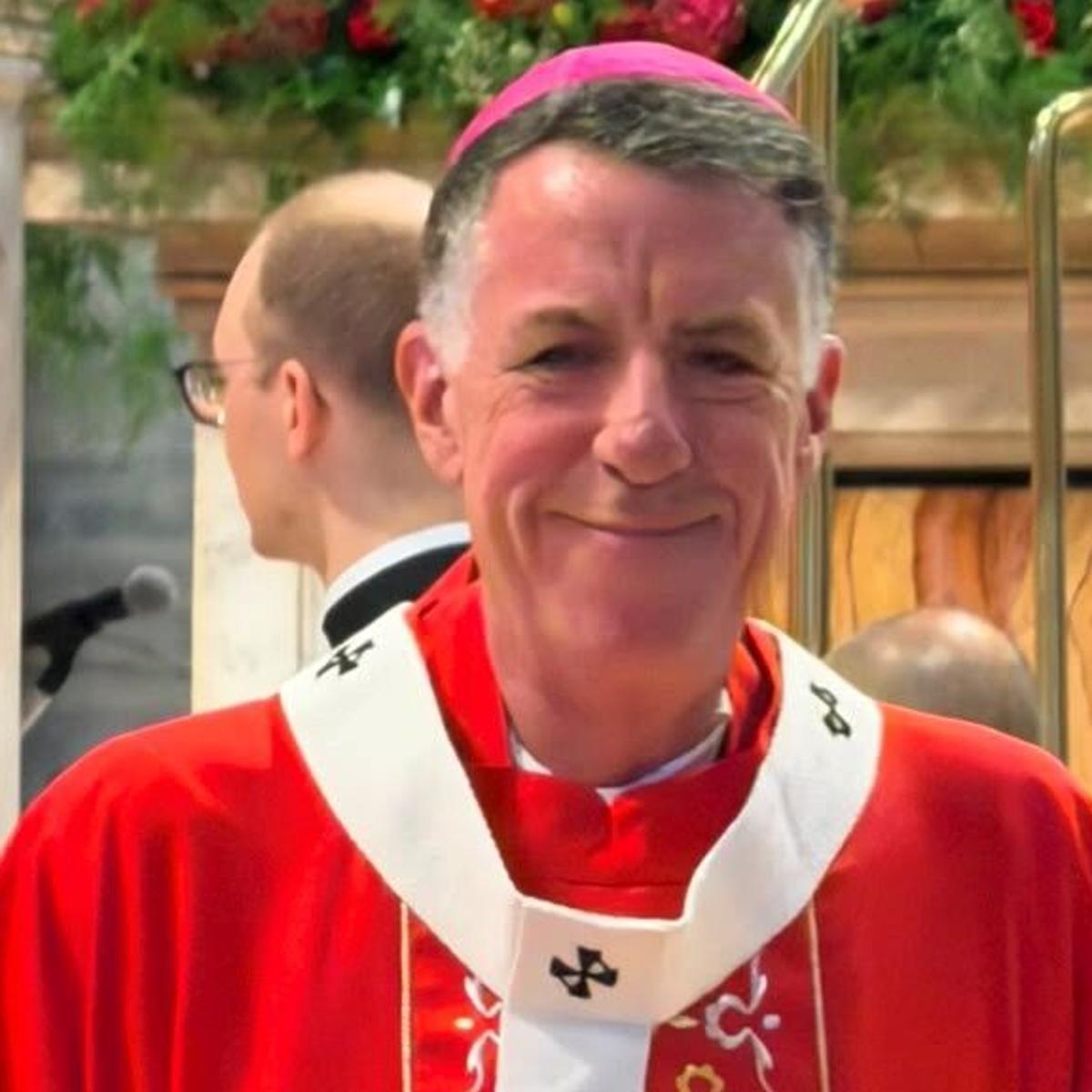
Checchio remarked, "It’s kind of a symbol of your unity with the pope and with Peter."
Pope Leo XIV called on the new archbishops to be Good Shepherds, stating, "These bands of white wool adorned with crosses indeed express the commitment of every shepherd...to take upon their shoulders the brothers and sisters entrusted to them."

He urged the faithful to seek inspiration from Saints Peter and Paul, who, despite their flaws, became extraordinary witnesses to the Gospel.
"Let us pray to Saints Peter and Paul that they may sustain us on our journey of communion in the footsteps of the Savior," he concluded.
“Pope Leo XIV celebrated Mass for the Solemnity of Saints Peter and Paul, emphasizing the call for new archbishops to embody the role of Good Shepherds. The event included the traditional blessing and imposition of the pallium, symbolizing their authority and responsibility.”




