- Ueno Bank's services abruptly stopped working in the early hours of Tuesday morning, leaving millions of Paraguayans unable to access their funds.
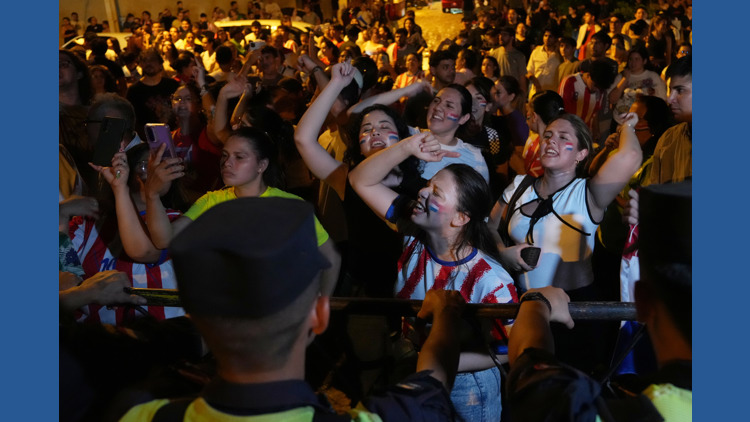
- Protesters gathered near Paraguay's Congress after the bank's collapse was announced.
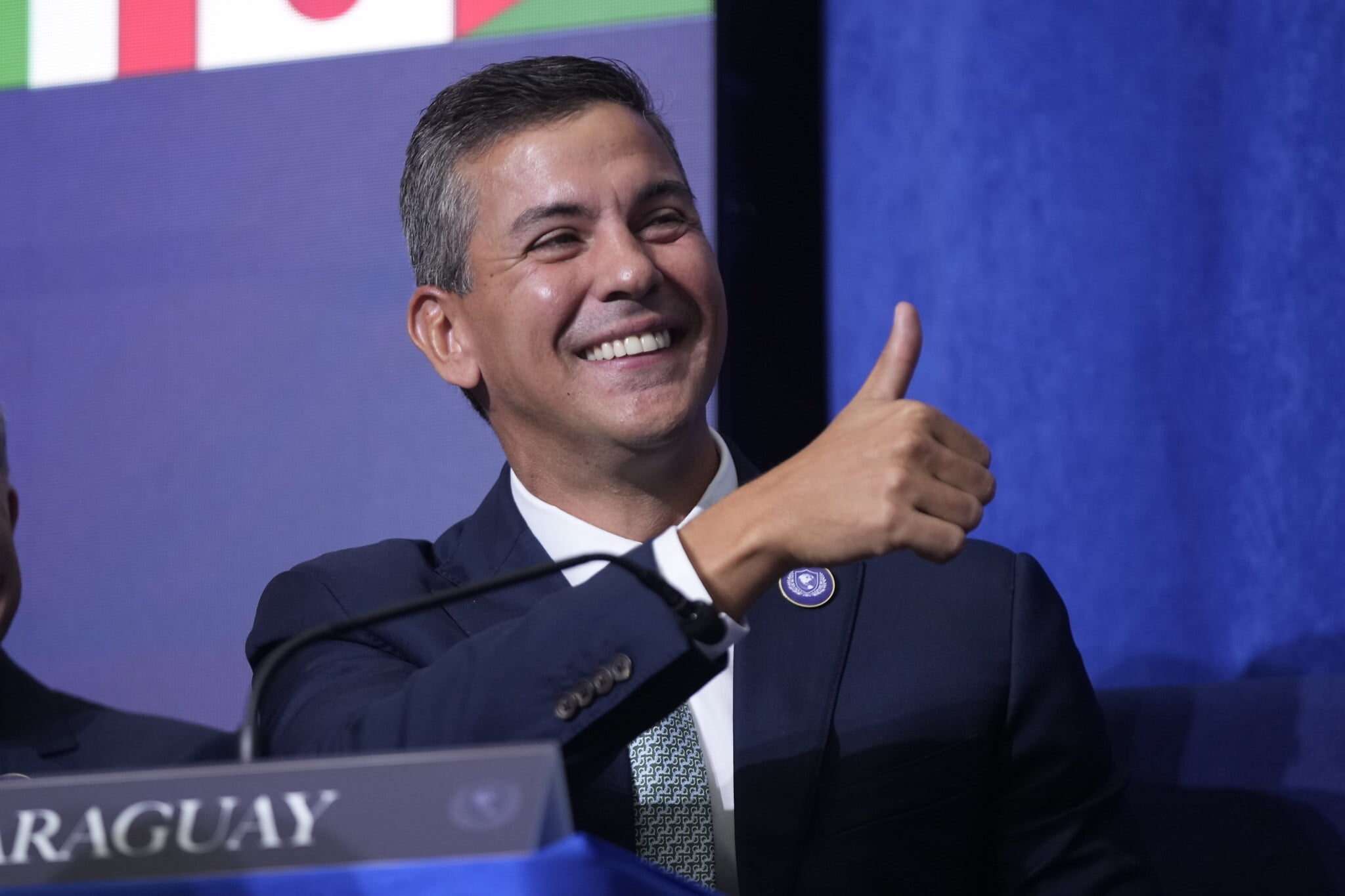
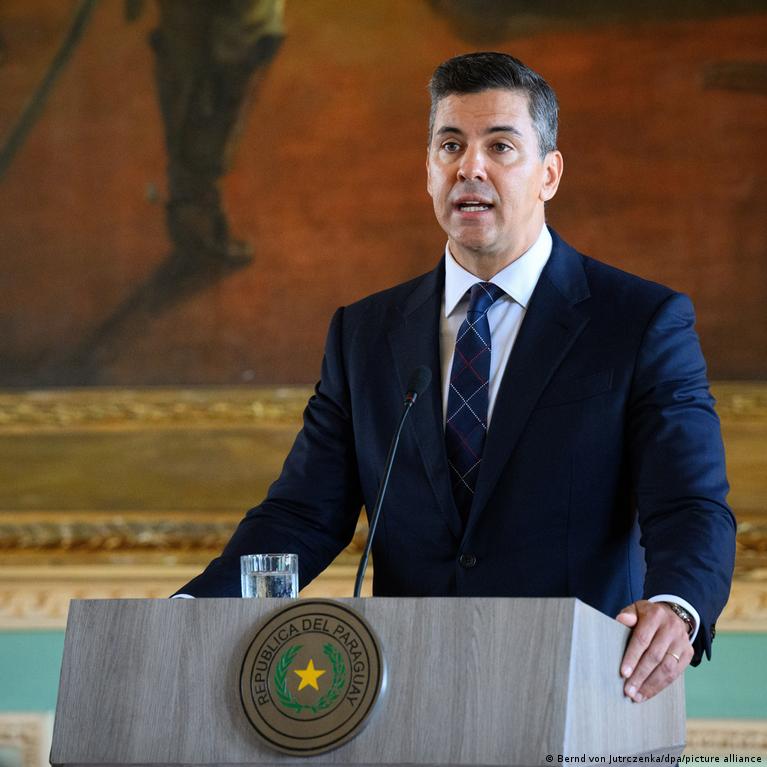
- President Santiago Peña resigned Thursday and was impeached and removed from office Friday.
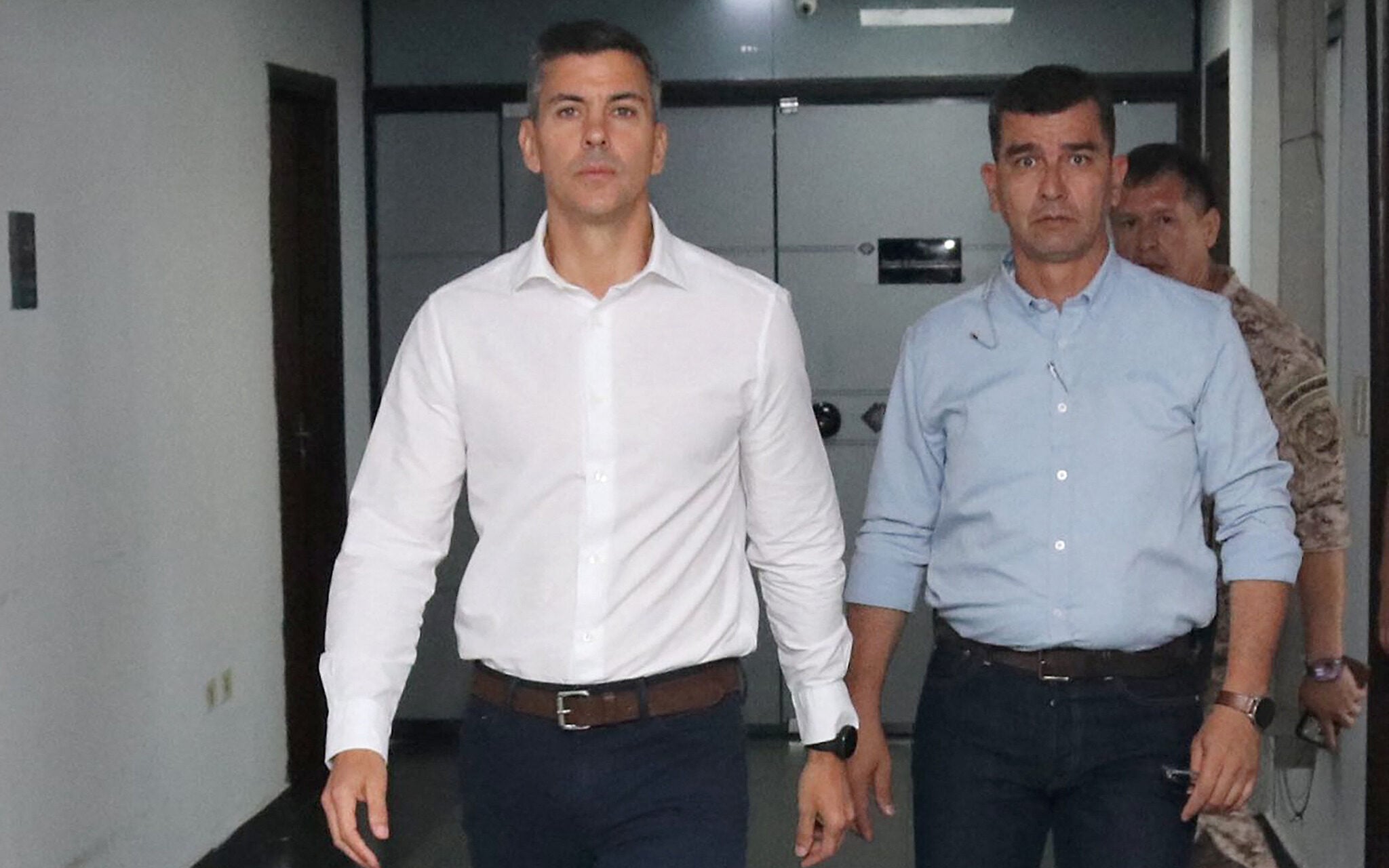
- Prosecutors charged Peña with breach of trust and administration for personal gain; he was ordered held in pretrial detention.
- Vice President Pedro Alliana was sworn in as president to serve out the rest of Peña's term until August 2028.
- Eight Ueno executives, including CEO Miguel Vásquez, were arrested and charged.
- Ueno Bank launched as a fintech in 2021 and began operating as a bank in November 2023.
- Ueno Bank had 2.9 million customers, around 60% of Paraguay's adult population.
- Paraguay's Social Security Institute had approximately $355 million invested in Ueno, equivalent to around 9% of its total investment portfolio.
- Peña's personal links to the bank's holding company were significant, as he held shares even after taking office.

Paraguay's President Santiago Peña was impeached and removed from office after the abrupt collapse of Ueno Bank, which left millions of citizens in financial limbo. The bank, which had approximately 2.9 million customers, or 60% of the adult population, ceased operations, triggering widespread protests.37
"People don't have any trust," said Elizabeth González, a barista in downtown Asunción, highlighting the crisis of confidence among citizens. The Central Bank reported that 1.8 million depositors were affected, with 1.2 million customers receiving advance payments under the state's deposit guarantee fund, yet many remain in uncertainty.
The fallout from Ueno Bank's failure has exposed deep-seated issues within the ruling Colorado Party, leading to Peña's impeachment. The bank's rapid rise since its launch in 2021 was fueled by aggressive marketing and a digital model, but it was later revealed that many loans were made to companies linked to its controlling owners, Grupo Vásquez.
Paraguay's Social Security Institute had invested approximately $355 million in Ueno, representing 9% of its total investment portfolio. Prosecutors allege that Peña used his presidential influence to maintain deposits with Ueno despite his connections to its parent group, raising serious ethical concerns about his leadership.9
As the political landscape shifts, the new vice president has been sworn in, but the path forward remains uncertain for both the government and the citizens of Paraguay.
“Nearly 1.2 million of Ueno's 2.9 million customers had received advance payments from the state's deposit guarantee fund by Saturday, but many were still waiting. Peña, who held shares in Ueno Holding worth about $845,000, faces charges of breach of trust and administration for personal gain.”
NPR