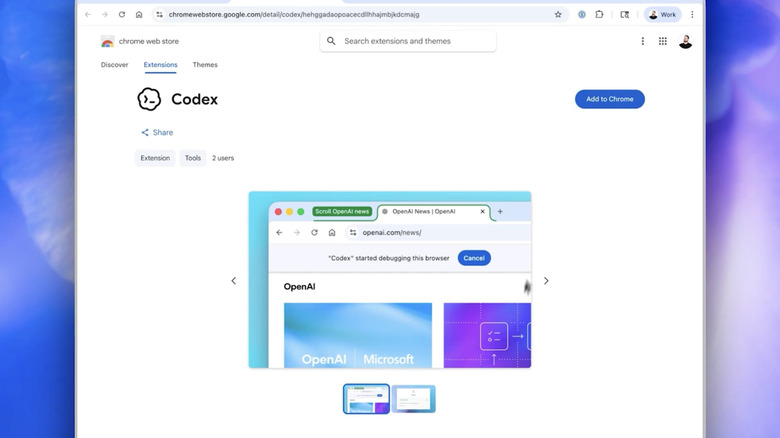
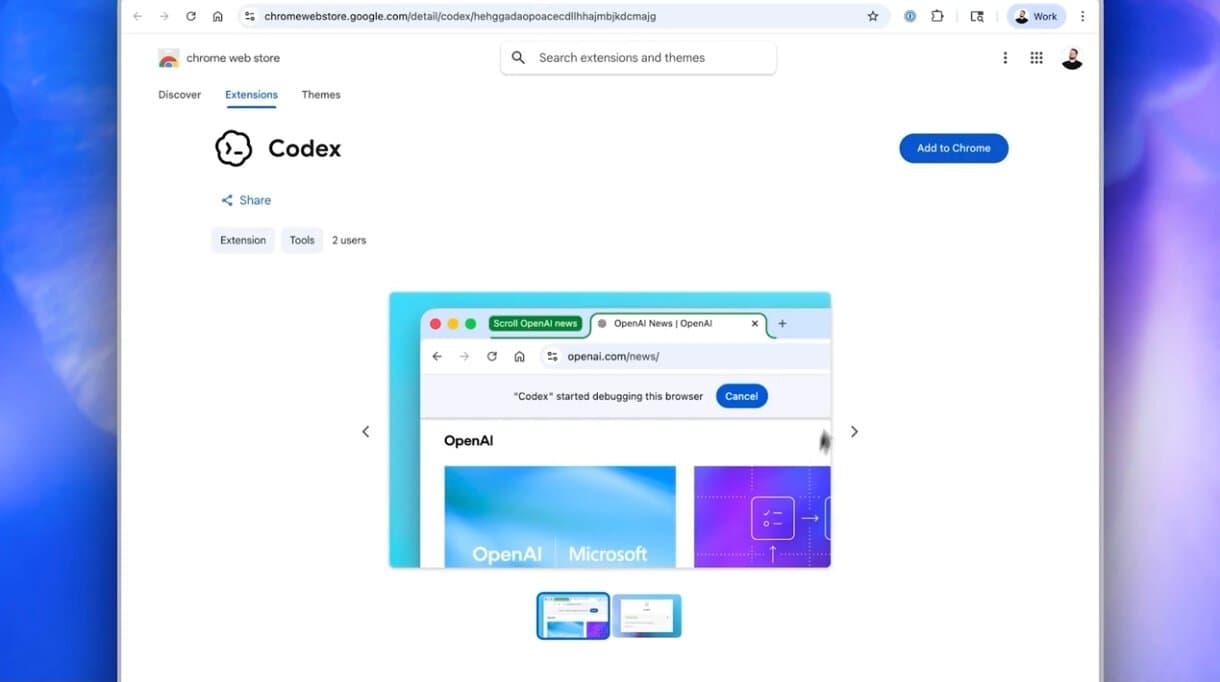
OpenAI's Codex has made a significant leap with the introduction of a Chrome extension, designed to enhance task automation for users on both Windows and macOS. This extension enables Codex to operate directly within the browser, allowing it to run simultaneously across multiple tabs,
improving overall productivity. With this innovative rollout, Codex can now
test web applications, collect context from across open tabs, and use Chrome DevTools without taking over the browser interface. The capabilities of Codex have expanded significantly, attracting
over 4 million weekly active users, growing by an impressive
8x since the start of the year.
Notably, this recent feature could draw in a wider range of users beyond developers, as many digital tasks are conducted through browsers. The integration fosters more seamless interactions with websites, logged-in sessions, and multitasking.
As an illustration of its capabilities, businesses could leverage Codex to
automate repetitive tasks, such as web scraping or content generation, which could cut operational costs by up to
30% according to AI productivity studies from sources like McKinsey.
The extension rollout is now available across most regions except the EU and UK, with plans to eventually offer a combined app integrating Codex with the ChatGPT chatbot and a proprietary web browser, Atlas. The global AI software market is projected to reach
£126 billion by 2025, indicating a growing trend towards AI-driven solutions in business.
OpenAI has launched a new Chrome extension for Codex, allowing users on Windows and macOS to automate tasks directly within their browser. This development enhances Codex's functionality, enabling it to test web apps and gather context across tabs without disrupting the user's workflow.