- OpenAI claims to have solved a major mathematics problem that has stumped humans for nearly a century after spending millions of dollars on the artificial intelligence-led endeavour.
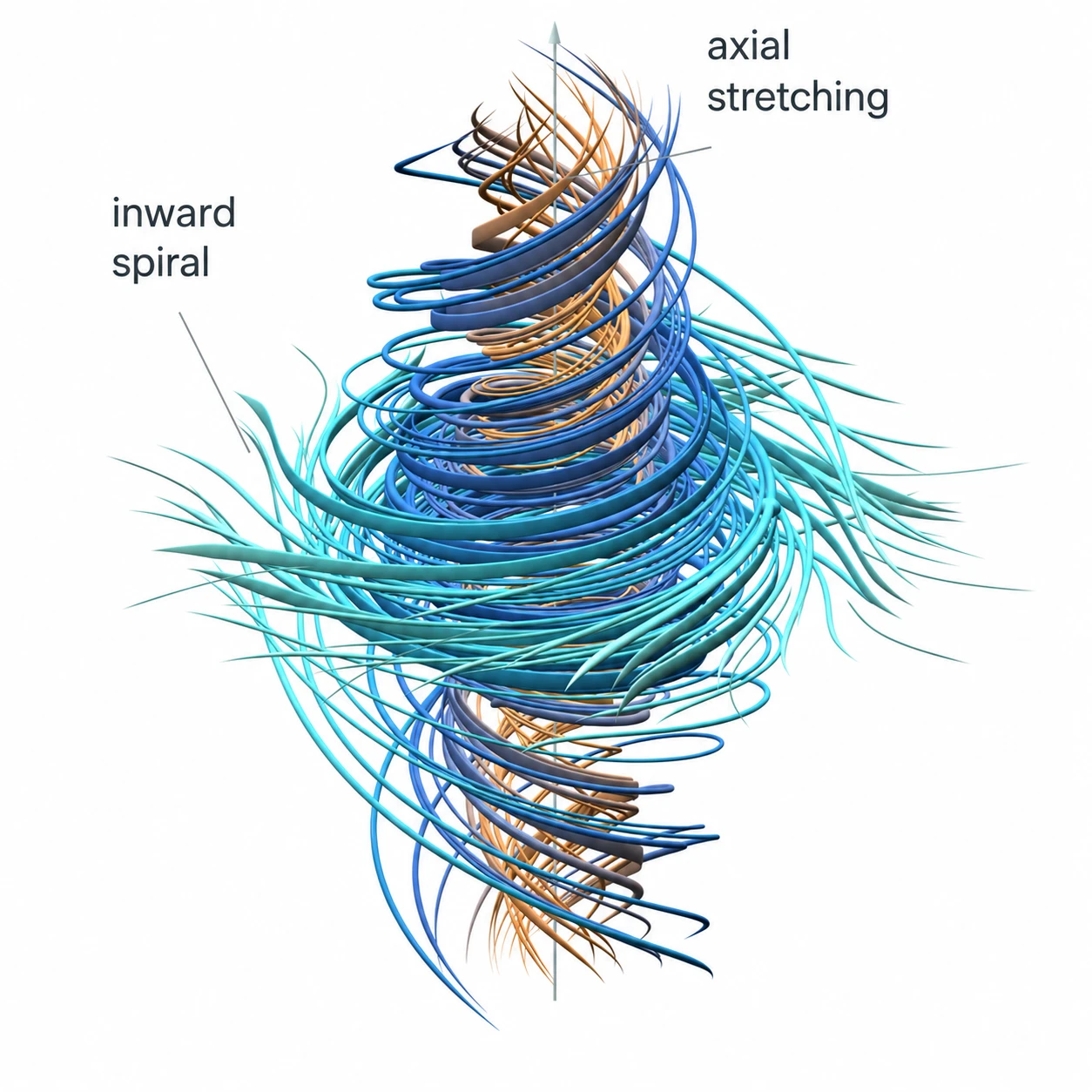
- The company behind ChatGPT said it had cracked the Navier-Stokes problem, one of seven Millennium Prize Problems to highlight some of the biggest unsolved puzzles in the field.
- The announcement became mired in controversy after mathematician Tristan Buckmaster, a professor at New York University, said OpenAI accelerated its work after hearing that he and another researcher at Anthropic, an OpenAI rival, were poised to announce their own breakthrough.
- Buckmaster had further concerns because the pair’s work in progress was stored in OpenAI’s Codex model, potentially making the work visible to the OpenAI team.
- At a press briefing on Tuesday, OpenAI researcher Sebastien Bubeck denied that the company had used the pair’s work or accessed material shared with OpenAI’s servers.
- OpenAI’s announcement said the company was inspired to launch the effort after hearing rumours that two Millennium Prize Problems had been solved, and it could not rule out that data from the pair’s use of their products helped improve our models.
- About 10,000 AI agents worked on the problem at once and reached the solution in 88 hours; Bubeck called it “a spectacular culmination of the arc we have seen over the past 12 months.”
OpenAI has announced a breakthrough in solving the Navier-Stokes problem, a significant challenge in mathematics. The company claims to have achieved this after deploying around 10,000 AI agents over 88 hours of computation. This problem is one of the seven Millennium Prize Problems, which have puzzled mathematicians for decades.289
However, the announcement has sparked controversy. Tristan Buckmaster, a mathematician at New York University, raised concerns that OpenAI may have rushed its solution after learning that he and a colleague at Anthropic were close to their own breakthrough. Buckmaster noted that their work was stored in OpenAI's Codex model, which could have made it accessible to OpenAI's team.34
In a statement, Buckmaster said, “I do not know what their model did, or how. I do not know whether our data was used. I am not accusing anyone of anything.” OpenAI researcher Sebastien Bubeck denied any wrongdoing, asserting that the company did not use the pair's work or access their shared materials. He acknowledged that while they could not rule out that data from the pair's use of their products may have helped improve their models, the solution represents a “spectacular culmination” of their efforts over the past year.5
OpenAI's announcement has reignited discussions about the ethical implications of AI in research and the competitive landscape of mathematical problem-solving.
“Buckmaster, a New York University professor, says OpenAI accelerated its work after learning he and an Anthropic researcher were close to announcing their own breakthrough, and he worries their data stored in OpenAI's Codex may have been visible. OpenAI's Sebastien Bubeck denies using the pair's work, but the company admits it cannot rule out that their product usage helped improve its models.”
 The Guardian