
- Mark Zuckerberg published a 6,500-word essay titled 'The Future is for Everyone' on Meta's website, outlining his vision for AI.
- In his essay, he argues for wider access to AI models and criticizes the 'doom' discourse prevalent among AI companies.
- Zuckerberg announced that Meta will resume releasing open-source models and introduced the 'Future is for Everyone Fund' to support communities affected by data center construction.
- Meta has released an open-source version of Muse Glimmer, following the earlier release of Muse Spark.
- Zuckerberg believes that superintelligence will lead to greater economic prosperity and promote scientific achievement.
- He envisions a future where individuals have personal AI agents to assist with everyday needs.
- Zuckerberg argues that the U.S. should lower barriers to open-source AI models to compete globally.
Mark Zuckerberg's recent 6,500-word essay outlines a vision for artificial intelligence that emphasizes open access and collaboration. He argues that AI should be available to as many people as possible, stating, "Humanity has witnessed many transformative advances... we believe this will be true with AI as well."1
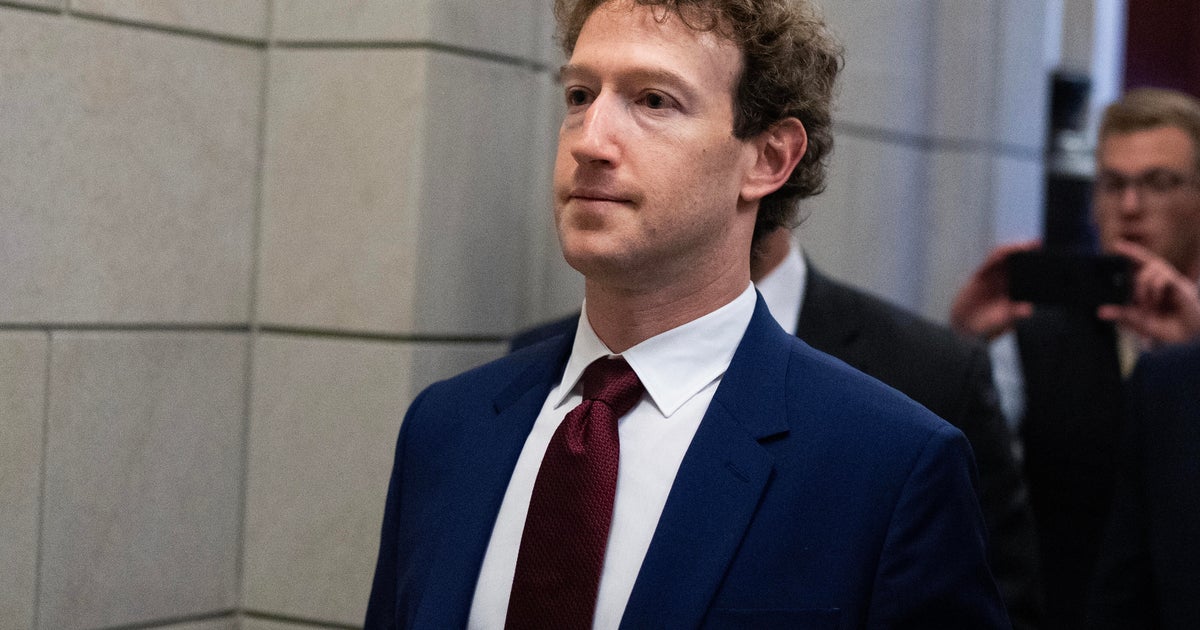
Zuckerberg challenges the prevailing 'doom' discourse surrounding AI, asserting that it will create new jobs and enhance productivity. He believes that superintelligence can lead to national security advancements and economic prosperity, stating, "The notion that AI is so dangerous that the only safe path is an extreme concentration of power seems inherently problematic."7
To support this vision, Meta plans to launch a $1 billion fund aimed at benefiting data center communities, while also releasing open-source versions of its AI models, including "Muse Glimmer" and "Muse Spark." Zuckerberg emphasizes the need for U.S. companies to overcome restrictions on training data to maintain a competitive edge in AI development, arguing that "policymakers must reduce this additional friction if we want American open source models to lead over time."6

He also addresses concerns about AI's impact on jobs, suggesting that while company sizes may shrink, "this doesn't mean fewer jobs overall." Instead, he envisions a future where individuals have personal AI agents to assist with various aspects of life, reinforcing his belief in the transformative potential of AI for all.8
“Zuckerberg's essay, titled 'The Future is for Everyone,' argues that AI will create new jobs and that 'company sizes may shrink' but not overall employment. He also announced Meta's $1 billion 'Future is for Everyone Fund' to support communities near data centers, and plans to release open-weight models like Muse Glimmer.”


 CBS News
 Variety



