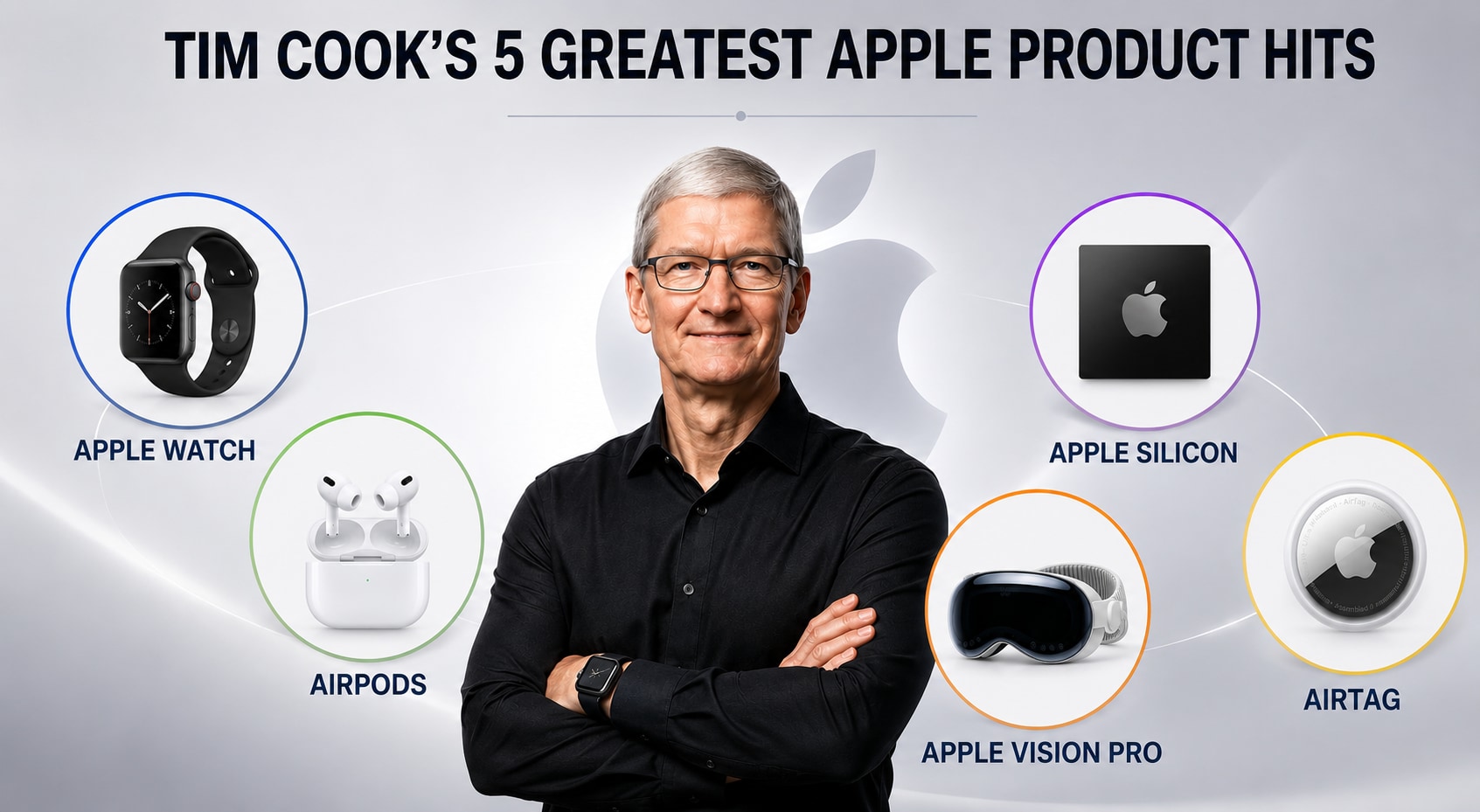
- Tim Cook's last day as Apple CEO marks the end of a 15-year tenure, during which Apple's market capitalisation surged from around $350 billion to nearly $4 trillion, with its stock rising almost 25-fold.
- John Ternus takes over as Apple's chief executive on Tuesday, facing challenges including balancing dependence on China and political pressure from the White House.
- Ternus gets barely a week to settle in before Apple's annual iPhone event on September 9, where it is expected to unveil its first foldable handset.
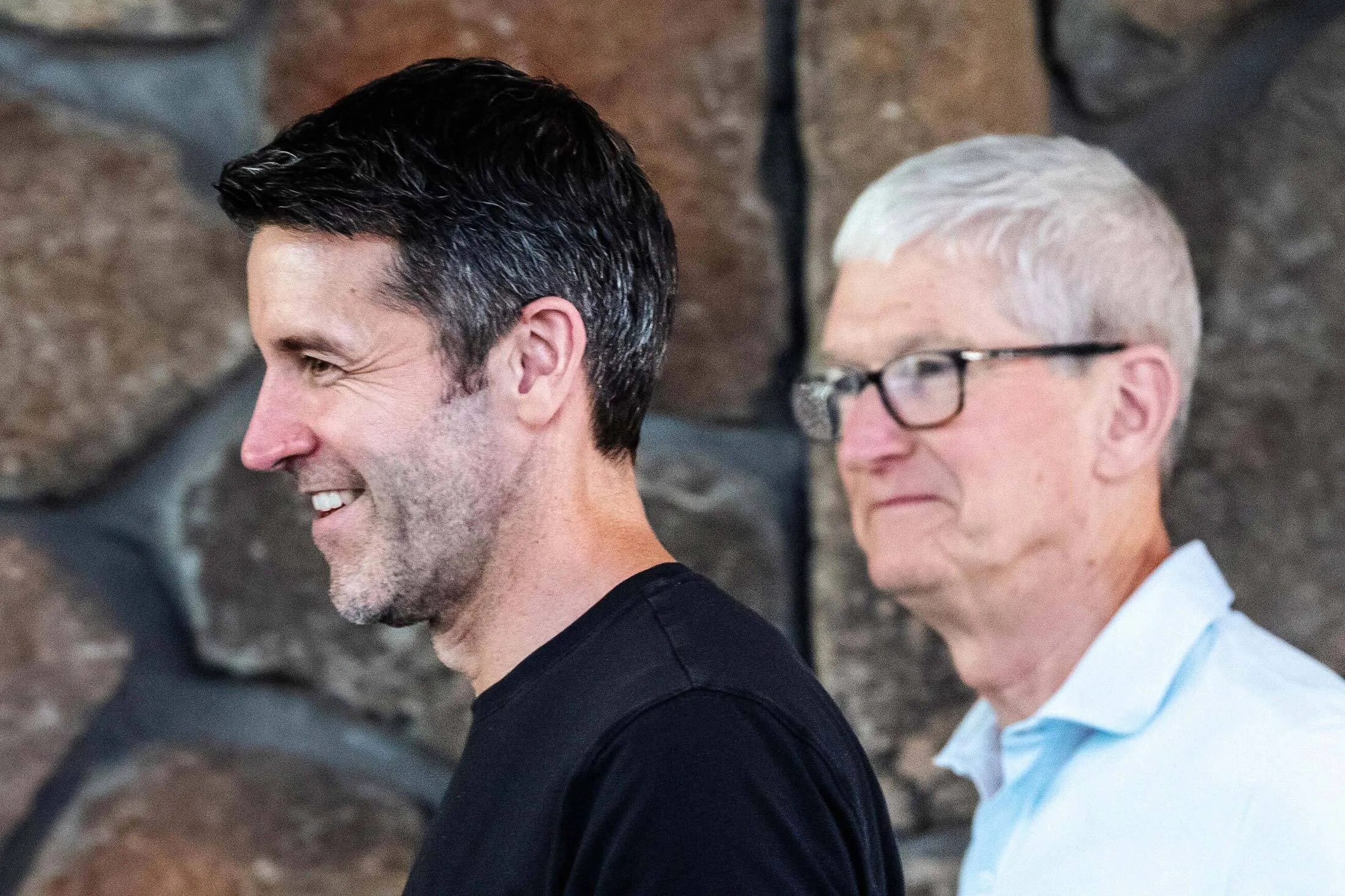
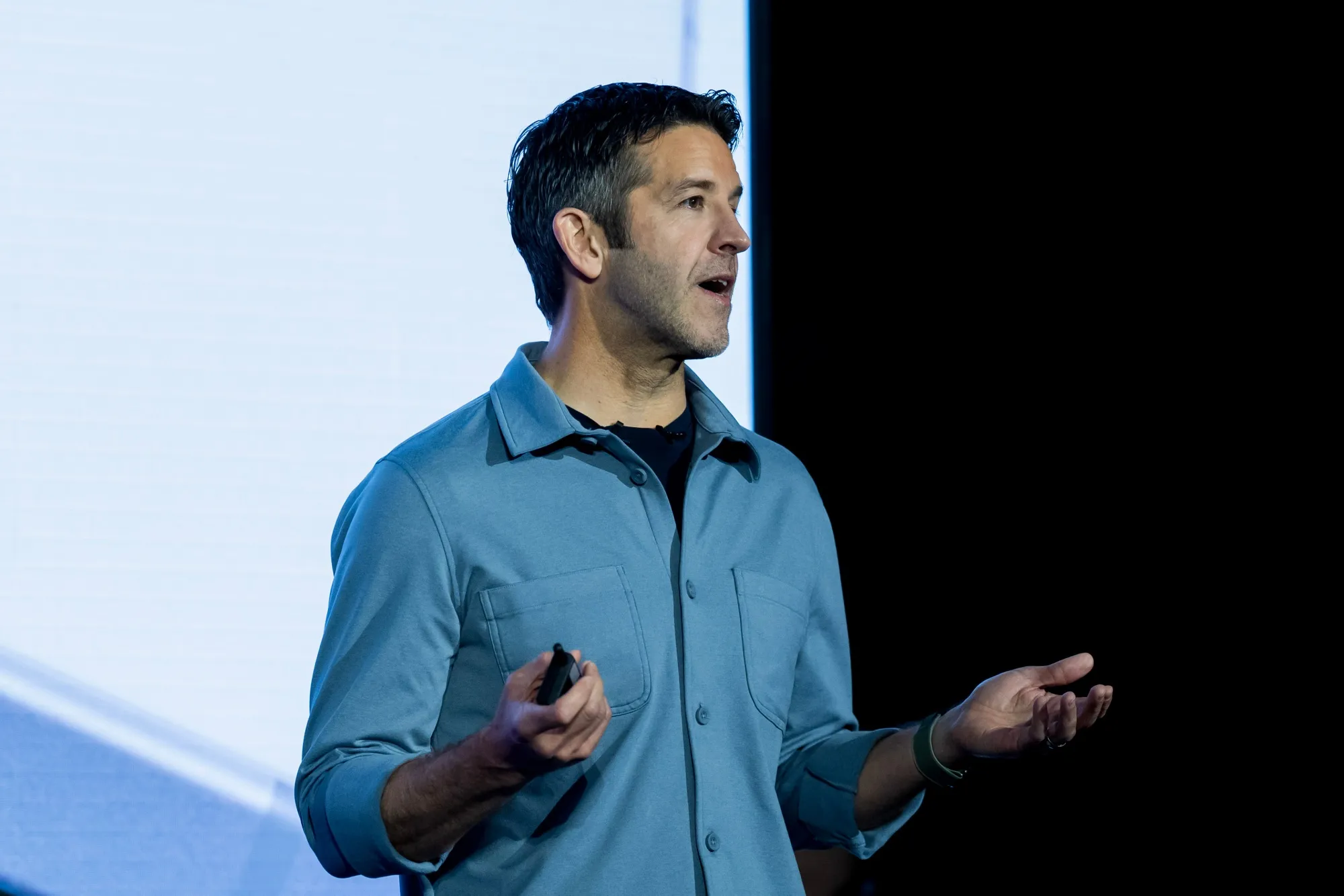
- Ternus, 51, joined Apple's design team in 2001 and rose to senior vice president of hardware engineering, leading teams behind the entire product lineup including iPhones.
- Analysts see Ternus focusing on hardware innovation and defining the AI chapter, with Dan Ives noting 'Tim Cook left the house in phenomenal order' and predicting Ternus will concentrate on hardware while leaving Cook's supply chain intact.
- Ternus faces a steep learning curve in geopolitics, as Cook excelled at courting Beijing and the White House to protect a supply chain largely through China, and Trump has demanded U.S. manufacturing.
- Some analysts argued software chief Craig Federighi was the more logical pick for AI, but Carolina Milanesi countered that consumers buy hardware first, and AI value is discovered through hardware.
- Ternus's background includes a bachelor's degree in mechanical engineering from the University of Pennsylvania and work at Virtual Research Systems before joining Apple, and he is credited with driving durability and carbon footprint reduction.
John Ternus officially steps into the role of Apple's CEO on Tuesday, succeeding Tim Cook, who led the company for 15 years. Under Cook, Apple’s market capitalization soared from around $350 billion to nearly $4 trillion, with stock prices increasing almost 25-fold.1
Ternus, who joined Apple in 2001 and rose to senior vice president of hardware engineering, now faces the daunting task of managing Apple's dependence on China while addressing political pressures from the White House. Analysts note that Ternus must navigate a complex geopolitical landscape, especially as former President Trump has pushed for Apple to manufacture iPhones in the U.S., threatening tariffs on overseas production.
As Ternus prepares for his first major event, the annual iPhone launch on September 9, he is expected to focus on hardware innovation, leveraging his extensive experience in engineering. Dan Ives, a partner at Yorkville Ives & Co., remarked, "Tim Cook left the house in phenomenal order. But now it's about Ternus defining the AI chapter." Ives anticipates that Ternus will maintain Cook's successful supply chain strategies while pushing for advancements in hardware.
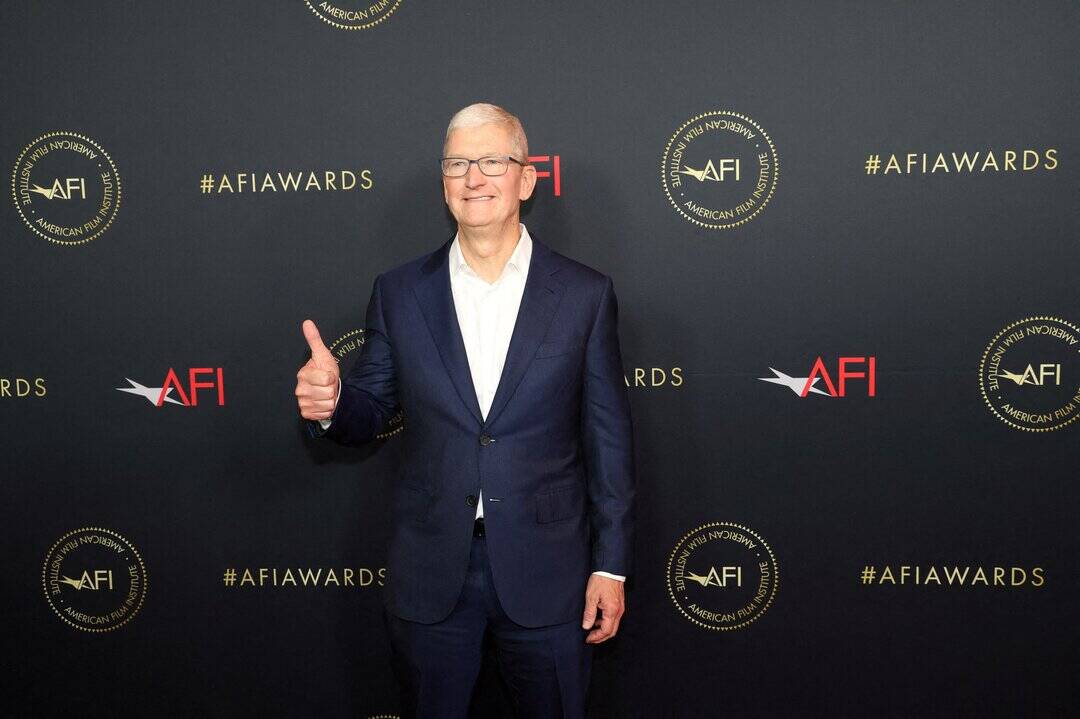
Despite some analysts suggesting that software chief Craig Federighi was a more logical choice for the role, others argue that Ternus's hardware expertise aligns with consumer preferences, as Carolina Milanesi of Creative Strategies stated, "Consumers are still buying hardware first, and it's going to be like that for a long time."
Ternus's leadership will be pivotal as Apple continues to expand its product lineup and navigate the challenges of a rapidly changing tech landscape.
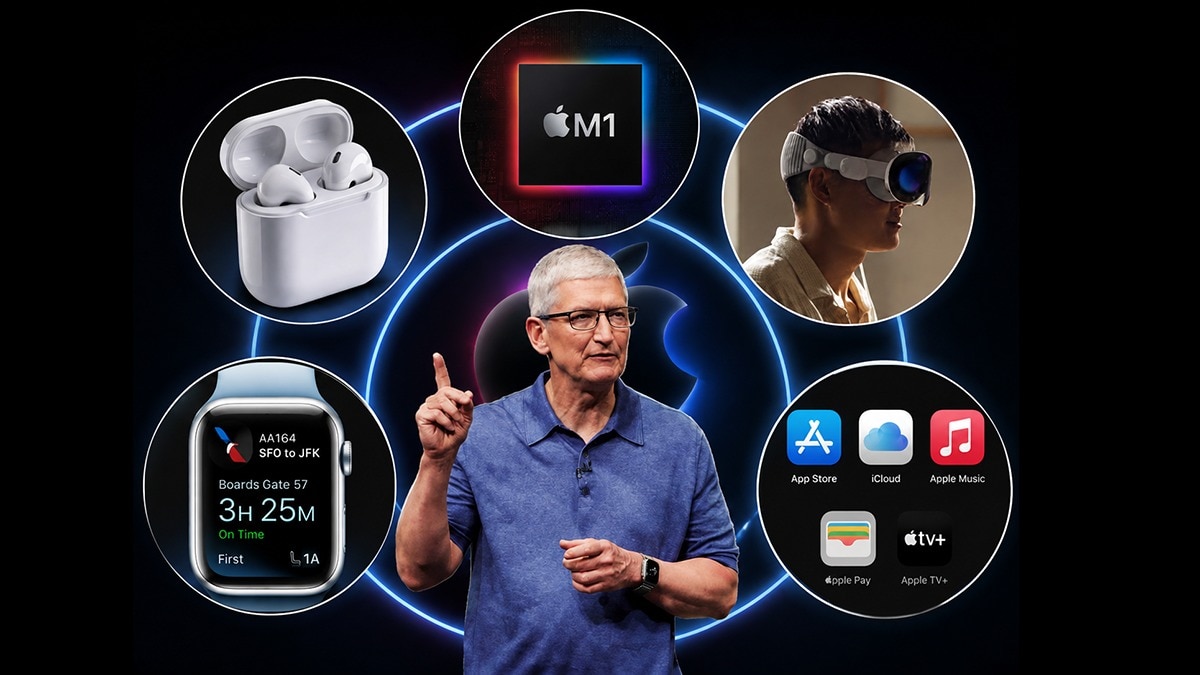
“Under Cook, Apple's market cap surged from about $350 billion to nearly $4 trillion, with services like the App Store and Apple Music becoming key growth engines. Ternus, 51, joined Apple in 2001 and led hardware engineering, but analysts note he must learn geopolitics on the job.”
 Inshorts