- Speaking at an event by the National Council of Applied Economic Research (NCAER), Nilekani said large companies would likely become net job losers as AI automates routine tasks, while employment would increasingly come from small firms.
- Nilekani argued that large companies, being well structured, are most vulnerable to job losses because every job is reduced to a few set tasks that are easy to automate, making them net job losers.
- He called for simpler regulations, easier access to credit and markets, and AI tools to help small businesses grow, citing initiatives like the Account Aggregator framework and the Open Network for Digital Commerce (ONDC).
- He said India should deploy AI to improve learning outcomes and expand access to knowledge through Indian-language and voice-based interfaces, and could become the world's AI use case capital by applying AI to sectors like education, agriculture and healthcare.
- He called for portable social security benefits and digital credentials so workers can retain benefits like pensions, insurance and healthcare when switching jobs, and emphasized the need to educate the young population while creating jobs and entrepreneurship opportunities.
- Nilekani's remarks come after the Centre appointed him to chair a high-powered panel on examination reforms following the Neet-UG paper leak controversy.
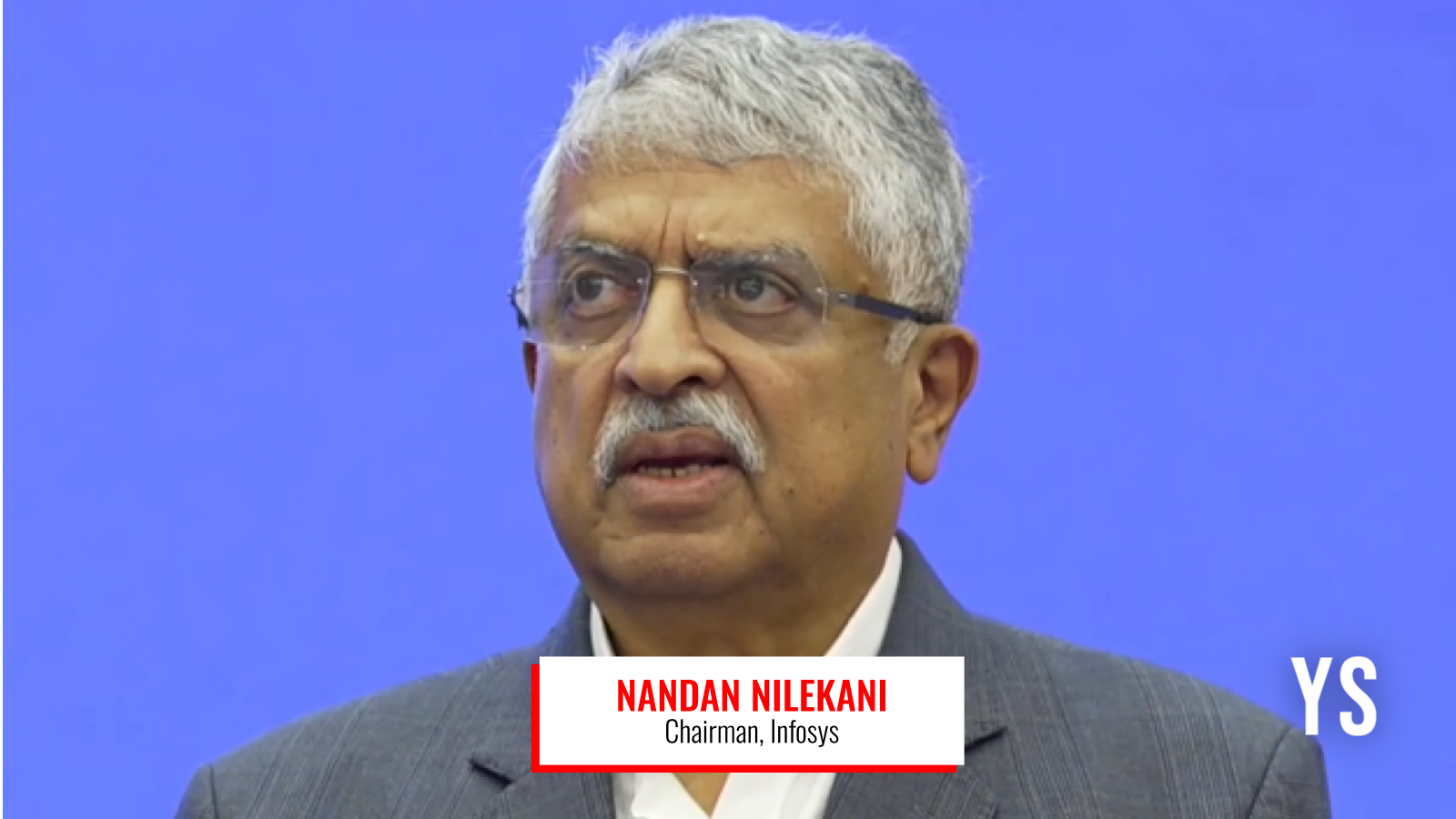
Infosys co-founder Nandan Nilekani stated that large, well-structured corporations in India are likely to become net job losers as automation and AI streamline tasks. He emphasized that millions of small businesses will be the primary engine for future employment, projecting India could reach one million startups by 2035.12
Nilekani explained, "Large companies, which are very well structured, will actually be the most vulnerable to job loss, because every job is reduced to a few set of tasks. It's also easy to automate that and remove jobs." He noted that small businesses are more resilient to job losses, stating, "If you're millions of small companies, it's far more complicated to use AI to motivate them... they are actually more resilient or more impervious to job losses."
To support small entrepreneurs, Nilekani called for simpler regulations, easier access to credit, and AI tools to help them grow. He highlighted initiatives like the Account Aggregator framework and the Open Network for Digital Commerce (ONDC) as vital for improving access to capital and markets.345
He also advocated for portable benefits and credentials to support a workforce increasingly engaged in gig work, stating, "We need to make sure that all your benefits... are completely portable so that you can carry them with you." Nilekani concluded that India must educate its young population while creating jobs and entrepreneurship opportunities to realize its demographic dividend.
“Speaking at an NCAER event, Nilekani argued that large companies' structured jobs are easy to automate, making them most vulnerable. He called for portable benefits and digital credentials so workers can retain pensions and healthcare when switching jobs, and urged India to become the world's 'AI use case capital' via applied AI in education, agriculture, and healthcare.”