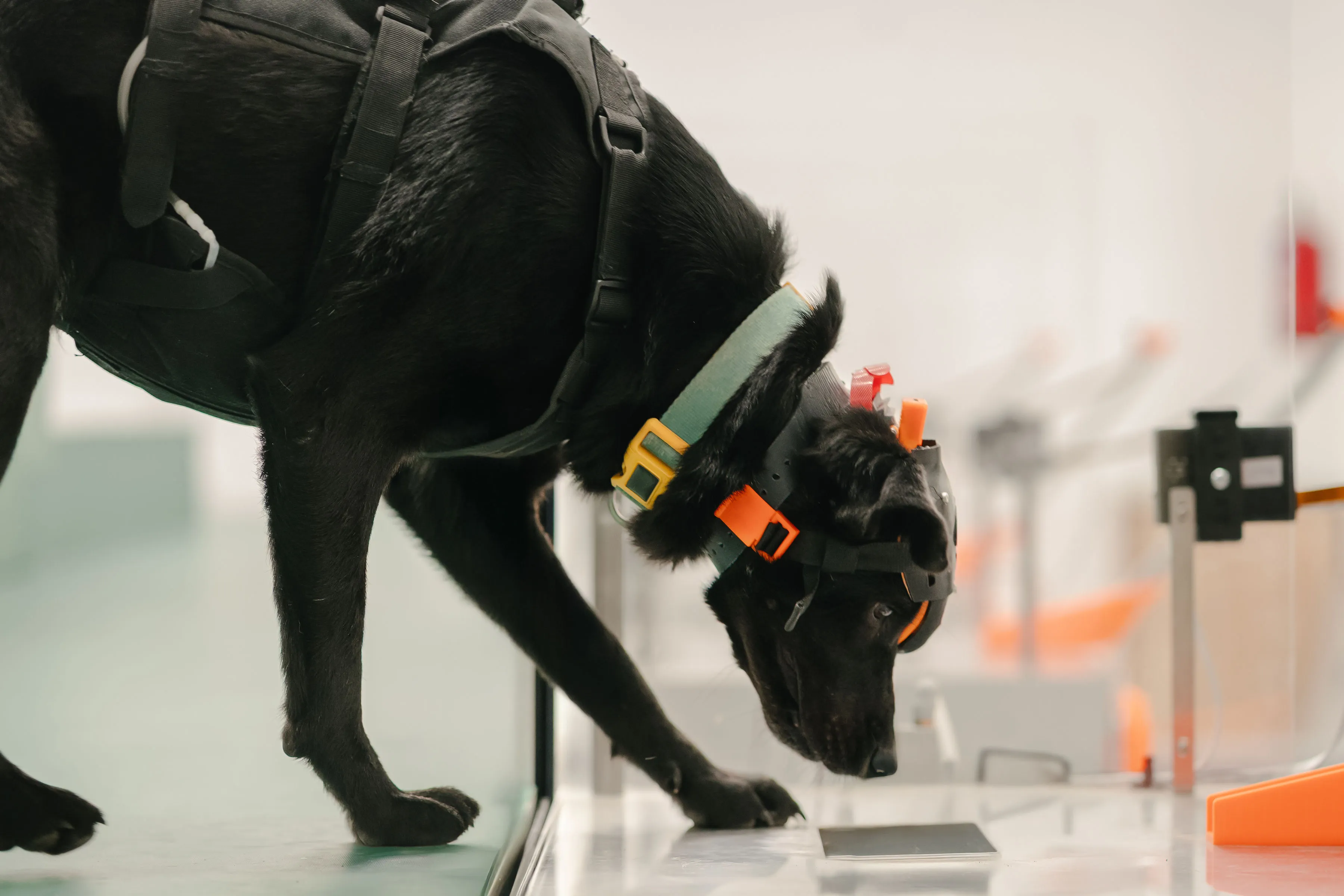
- Dognosis pairs trained sniffer dogs with artificial intelligence to flag cancer from a breath sample, but it is prescreening in trials, not a proven diagnostic.
- Founded by Akash Kulgod, Dognosis targets more than 20 cancer types across seven groups, including breast, oral cavity, lung and cervical; in Phase 2 trials published in the Journal of Clinical Oncology, it reports roughly 90% sensitivity for early-stage cancers.
- A Phase 3 trial began in April across 10 hospitals, aiming to enrol about 10,000 participants, targeting a million tests a year with a one-week turnaround.
- Kulgod plans an at-home, multi-cancer prescreening test in India next year, priced at a few thousand rupees; a US facility is pencilled in for late 2027 or early 2028.
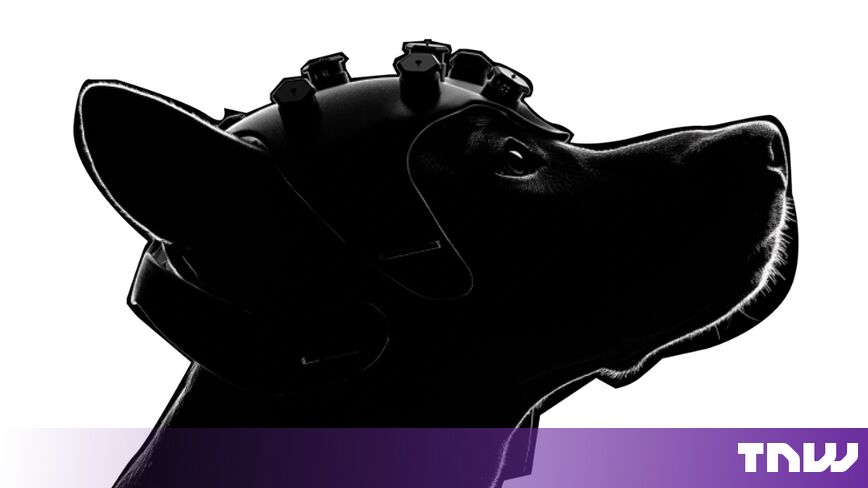
- The process involves breathing into a mask, which is couriered to Dognosis's facility outside Bengaluru, where beagles, labradors and Dutch shepherds sniff the sample while sensors and AI read the animals' movements, respiration, brain activity and body language.
- The premise is that tumours leave a chemical signature in exhaled breath that a dog can smell before conventional tools can see it, with no imaging, blood draw, or biopsy; the AI standardises the animal's reaction.
- India logged about 1.5 million new cancer cases and more than 900,000 deaths in 2024, with screening rates strikingly low: roughly 1.9% of women screened for cervical cancer and fewer than 1% for breast or oral cancers, a gap Dognosis aims to address.
- Dognosis needs no Indian regulatory approval because a prescreening tool is not classed as a diagnostic device, lowering the barrier to launch but meaning it may reach patients without clearing a formal diagnostic bar; a positive result is a prompt to see a doctor, not a verdict.
Dognosis is revolutionizing cancer detection by pairing trained sniffer dogs with artificial intelligence to analyze breath samples for early signs of cancer. The company, founded by Akash Kulgod, is currently conducting a Phase 3 trial across 10 hospitals, aiming to enroll about 10,000 participants.1234
The process is straightforward: patients breathe into a mask, which is sent to Dognosis's facility in Bengaluru. There, dogs like beagles and labradors sniff the samples while AI monitors their reactions, translating them into structured data. This method targets over 20 cancer types, including breast, lung, and cervical cancers, and boasts a reported 90% sensitivity for early-stage cancers from previous trials.6
India faces a significant cancer burden, with 1.5 million new cases and over 900,000 deaths in 2024, yet screening rates remain low—only 1.9% of women are screened for cervical cancer. Dognosis aims to bridge this gap with a non-invasive, cost-effective tool that could reach underserved populations.8
The company has raised $1.5 million in pre-seed funding and plans to launch an at-home prescreening test next year, priced at a few thousand rupees. With a target of one million tests annually and a turnaround time of one week, Dognosis is set to make a significant impact in cancer screening.
However, Kulgod notes that Dognosis does not require Indian regulatory approval for its prescreening tool, which could lead to patients receiving results without the rigorous validation expected of diagnostic devices. This distinction is crucial for the company to communicate effectively.
“Dognosis targets over 20 cancer types, reporting roughly 90% sensitivity in Phase 2 trials, though figures are not independently confirmed. India logged about 1.5 million new cancer cases in 2024, with fewer than 1% of women screened for breast or oral cancers.”