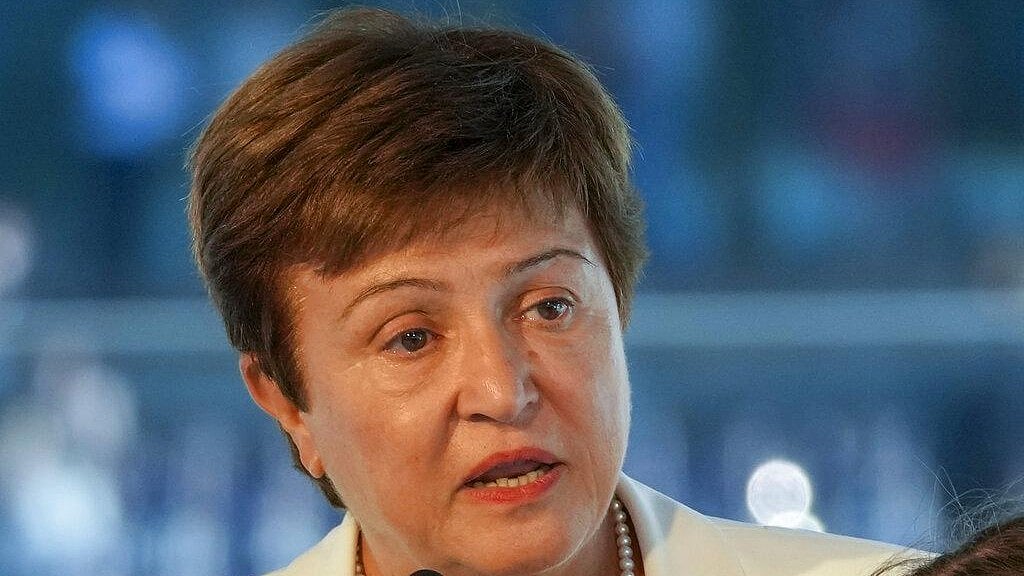
- IMF chief Kristalina Georgieva described the global economy as a 'storm-tossed vessel,' caught between high inflation, debt, and trade wars while benefiting from tailwinds from the AI revolution.
- In July, the IMF cut its global growth projection for the second time this year to 3.0%, citing uncertainty and risks related to the war in the Middle East.
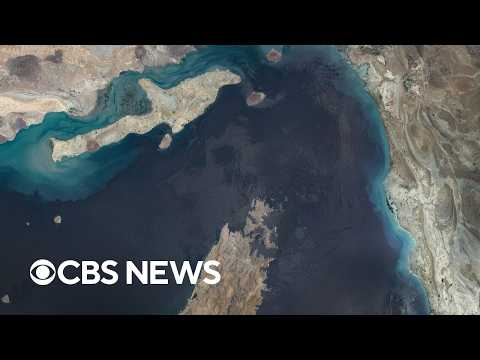
- Georgieva noted that the global economy had weathered the energy shock from the closure of the Strait of Hormuz better than feared.
- With winter approaching, Georgieva warned that energy demand would increase, potentially leading to renewed price rises.
- Global economic growth is estimated at 3% this year, down from 3.1% in April, according to the IMF's update to its World Economic Outlook.
- Georgieva highlighted that the impact of the Middle East war had been asymmetric, depending on countries' exposure to Gulf oil imports and their macroeconomic stability.
- Global inflation is being influenced by high energy prices and a positive demand shock from AI, creating a 'tug of war' in the economy.
IMF chief Kristalina Georgieva likened the global economy to a 'storm-tossed vessel', grappling with high inflation, debt, and trade wars, while also benefiting from the AI revolution. She noted that the economy has weathered the energy shock from the Strait of Hormuz closure better than anticipated.13
In July, the IMF revised its global growth projection down to 3% for the year, citing uncertainty from the Middle East conflict. Georgieva emphasized that the impact of the war has been 'asymmetric', affecting countries differently based on their oil import exposure and macroeconomic stability.6
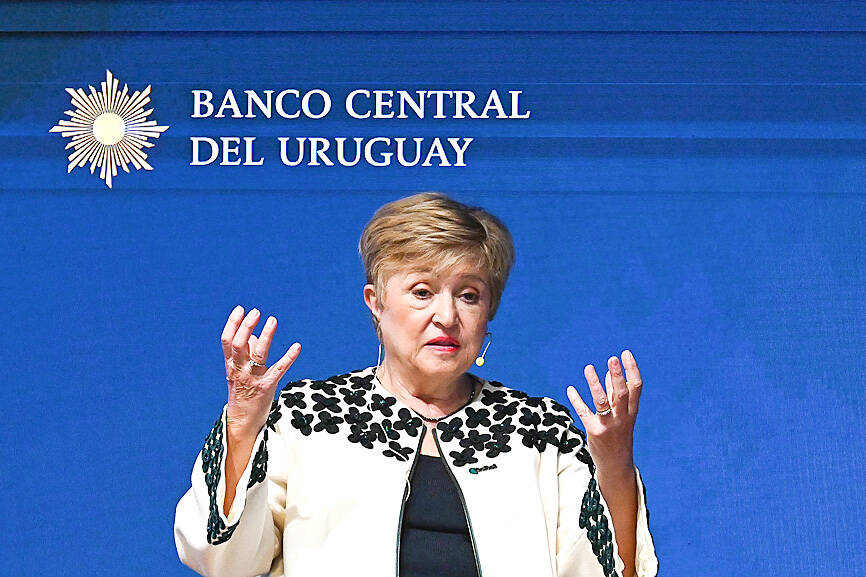
She explained that global inflation is influenced by high energy prices and a 'tug of war' with the positive demand shock from AI. As winter approaches, energy demand is expected to rise, potentially leading to a renewed increase in prices. Georgieva warned, 'This means the energy shock is not over.' A rise in oil prices could further fuel inflation, compelling central banks to maintain a restrictive policy stance.7
Despite the resilience shown, she cautioned against complacency and urged nations to tackle fiscal imbalances and for central banks to remain 'laser-focused' on inflation. Georgieva expressed optimism about AI's broad impact, noting that its benefits are emerging in more countries beyond the US, but highlighted the 'significant unknowns' and risks for developing countries.
“Georgieva said the global economy had 'weathered the energy shock caused by the closure of the Strait of Hormuz better than we feared,' but warned that a renewed rise in oil prices could fuel inflation and force central banks to keep restrictive policies. She also flagged 'significant unknowns' around AI, with the risk of falling behind 'most profound' in developing countries.”


 Taipei Times