
- Granta announced it would cease involvement in 'external publishing partnerships' where it lacks editorial control.
- Granta will stop publishing the winning entries of the Commonwealth short story prize following accusations of AI use against one of this year's winners.
- The controversy arose when Jamir Nazir's winning story from the Caribbean region was said to have 'obvious markers' of AI-generated writing.
- Sigrid Rausing, Granta's publisher, expressed concerns about potentially awarding a prize for AI plagiarism amid the controversy.
- Despite the accusations, the Commonwealth Foundation confirmed that all shortlisted writers stated no AI was used in their submissions.
Granta's decision to halt the publication of its Commonwealth short story prize winners stems from controversy surrounding this year's entries, particularly a story by Jamir Nazir that was accused of containing 'obvious markers' of AI generation.123
The Granta Trust board stated, "For the sake of our own editorial integrity, we will no longer engage in external publishing partnerships." This move reflects growing concerns about the impact of AI on human creativity and the authenticity of literary works.
Sigrid Rausing, Granta's publisher, acknowledged the possibility of awarding a prize to an instance of AI plagiarism, stating, "It may be that the judges have now awarded a prize to an instance of AI plagiarism – we don’t yet know, and perhaps we never will know."4
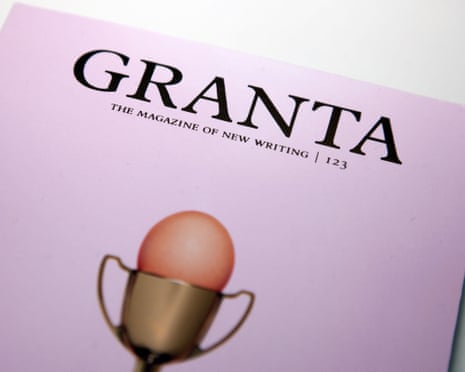
Despite the controversy, the Commonwealth Foundation confirmed that all shortlisted writers asserted no AI was used in their submissions.5
The prize awards £5,000 to an overall winner and £2,500 to regional winners, highlighting the significance of maintaining trust in literary accolades amidst the rise of AI in publishing.
As the American Bookseller Association notes, the long-term health of the industry and authors' livelihoods are undergoing transformation, raising questions about the future of human art in a world increasingly influenced by machines.
“Granta has decided to stop publishing the winning entries of the Commonwealth short story prize due to accusations of AI-generated content. This decision reflects broader concerns in the literary community about the implications of AI on human creativity and authorship.”
 The Guardian