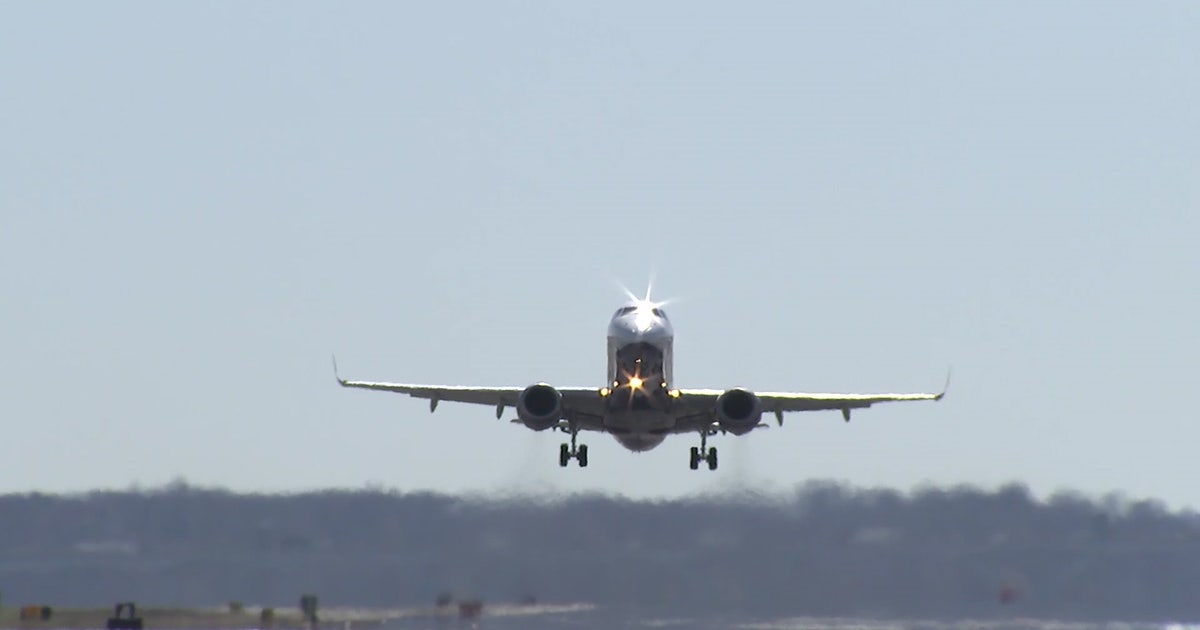
- The FAA launched the SMART AI tool in a limited mode at Reagan National, Dulles, and Baltimore-Washington International airports on Monday, marking a significant step in air traffic control modernization.
- Transportation Secretary Sean Duffy stated that SMART will slash frustrating delays and lower travel prices by reshaping airspace management.
- The SMART tool, which stands for Strategic Management of Airspace, Routes and Trajectories, is designed to analyze various factors to predict air traffic flows and identify potential conflicts.
- The Transportation Department announced plans to gradually expand the SMART tool to other parts of the United States following its initial launch.
- In May 2025, Transportation Secretary Sean Duffy announced the Trump administration's air traffic control modernization initiative, which includes the SMART tool.
- In June, the FAA awarded a 12-year, $875 million contract to Air Space Intelligence for the development of the SMART tool and related services.
The FAA has introduced SMART, an AI-driven tool designed to enhance air traffic management at Washington D.C.'s Reagan National, Dulles International, and Baltimore-Washington airports.
Transportation Secretary Sean P. Duffy emphasized that SMART will "slash those frustrating delays" and lower travel prices by predicting air traffic issues before they occur.2
The tool centralizes over 200 disparate data streams, including weather and flight paths, to improve operational efficiency.
SMART stands for Strategic Management of Airspace, Routes and Trajectories, and is part of a broader modernization initiative aimed at addressing chronic understaffing in the air traffic control system.3
Last year, the FAA reported a need for 14,633 controllers to be fully staffed, a figure that was later revised down by over 2,000 positions.
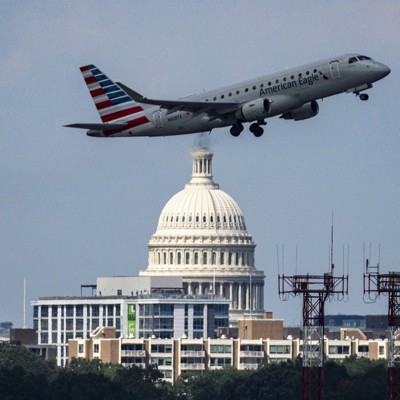
Ella Atkins, an aerospace engineering professor, expressed skepticism about the tool's effectiveness, citing a lack of detailed information on its technology.
However, Tom Lintner, a former FAA employee, remains optimistic, noting that SMART could provide advanced awareness of potential conflicts, allowing for timely alternatives.
The National Air Traffic Controllers Association has voiced concerns about ensuring that new technologies complement the expertise of air traffic controllers.
The FAA's $875 million contract with Air Space Intelligence for SMART is part of a long-term effort to modernize U.S. air traffic management, initiated after several high-profile accidents.
The tool is expected to gradually expand to other regions across the country.
“The cloud-based platform centralizes 200 data streams to predict traffic conflicts up to 45 days out, but the National Air Traffic Controllers Association says it was not involved in design or testing. The FAA awarded a 12-year, $875 million contract to Air Space Intelligence in June for the tool.”
 Nextgov/FCW