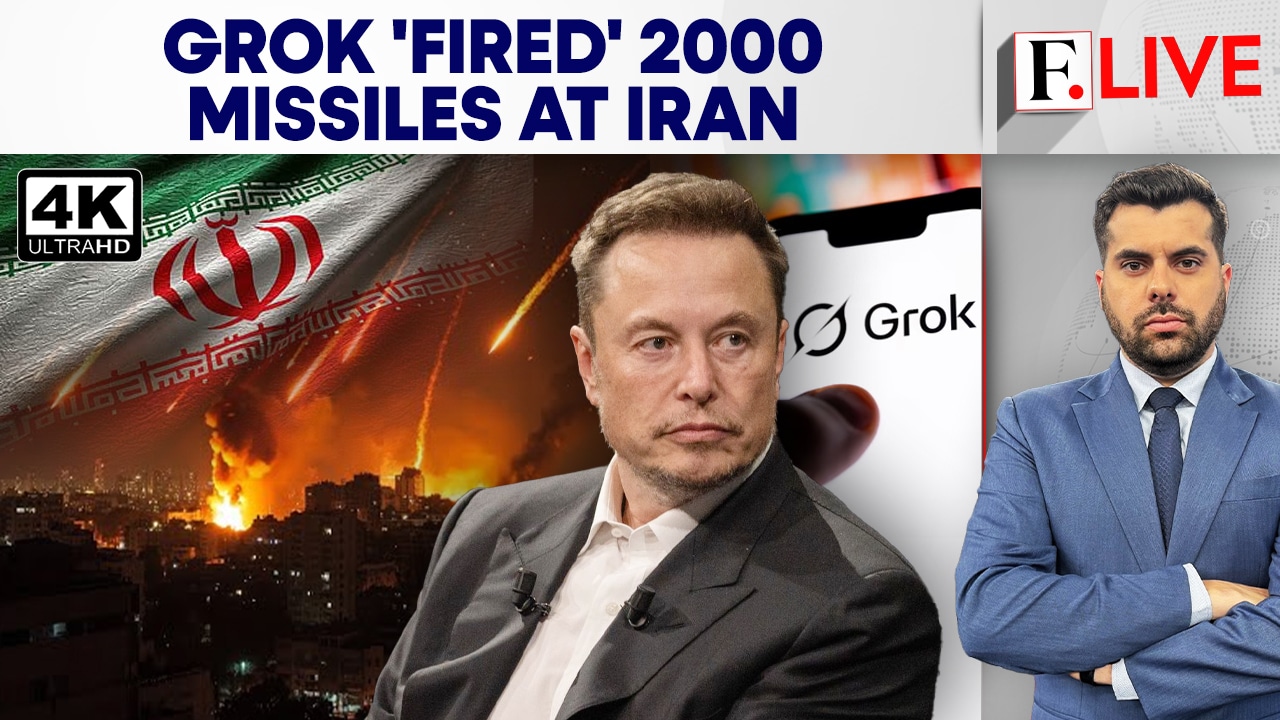
- Elon Musk's AI chatbot, Grok, helped support military operations during the recent conflict with Iran, assisting in the deployment of more than 2,000 munitions over a 96-hour period.
- The revelation has reignited a global debate over artificial intelligence on the battlefield.
- The lawsuit threatens American national, economic, and energy security by seeking to shut off the power supply for artificial intelligence innovation that supports the Department of War’s military operations.
Elon Musk's Grok AI tool has played a pivotal role in U.S. military operations against Iran, as disclosed by the Department of War. The AI chatbot assisted in the deployment of over 2,000 munitions across 2,000 distinct targets within a rapid 96-hour timeframe during Operation Epic Fury.13
This revelation has sparked renewed discussions about the implications of artificial intelligence on the battlefield. The lawsuit against the AI technology claims it threatens American national, economic, and energy security by potentially stifling innovation that supports military operations. The legal challenge could have far-reaching consequences for the future of AI in defense.2
Grok is already integrated into Project Maven, the U.S. military's AI-assisted targeting program, which was initially powered by Anthropic's Claude model. The program's Maven Smart Systems (MSS) have been credited with significantly enhancing operational efficiency, as noted by military officials.
Stanley, a military spokesperson, praised Musk's technology, stating it has enabled U.S. forces to achieve unprecedented operational capabilities. The ongoing debate surrounding AI's role in military operations continues to evolve as legal and ethical considerations come to the forefront.
“Elon Musk's AI chatbot, Grok, played a crucial role in US military operations against Iran, deploying over 2,000 munitions. This involvement has sparked renewed debate over the use of artificial intelligence in warfare.”
 Firstpost