- Bill Gates published an essay on GatesNotes calling for public debate and a plan to manage AI's impact, stating that the choices made now are critical.
- In an interview with CNN's Anderson Cooper, Gates stated that AI models have become dramatically more powerful at a rate faster than he expected.
- Gates warned that AI could lead to cyberattacks, bioterrorism, and psychosocial risks, and criticized the current review criteria as being inadequate.
- Gates proposed taxing AI or robots like human employees to slow the shift away from human labor.
- Gates emphasized that AI could be the greatest equalizer or the worst source of injustice, highlighting the monumental challenges ahead.
- He expressed concern that the tech industry is downplaying threats posed by AI due to financial incentives.
- Gates believes that addressing AI risks should be the world’s top priority to ensure that AI benefits everyone.
In a recent essay, Bill Gates expressed deep concerns about the rapid advancement of artificial intelligence, stating that it poses a significant threat to jobs and human life.1
Gates emphasized, "AI will either be the greatest equalizer ever invented, or the worst source of injustice." He warned that without proper limits, the potential harm could outweigh the benefits.5
“Even under the best circumstances, the transition to this new AI era will be one of the most turbulent times in human history,” he noted, highlighting the lack of adequate preparation from leaders and communities.
Gates criticized the tech industry for downplaying these risks, stating, “In private, people who understand how good this stuff is, and how much better it’s getting, they’re very worried.” He proposed measures such as taxing AI and robots like human labor to mitigate job displacement.6
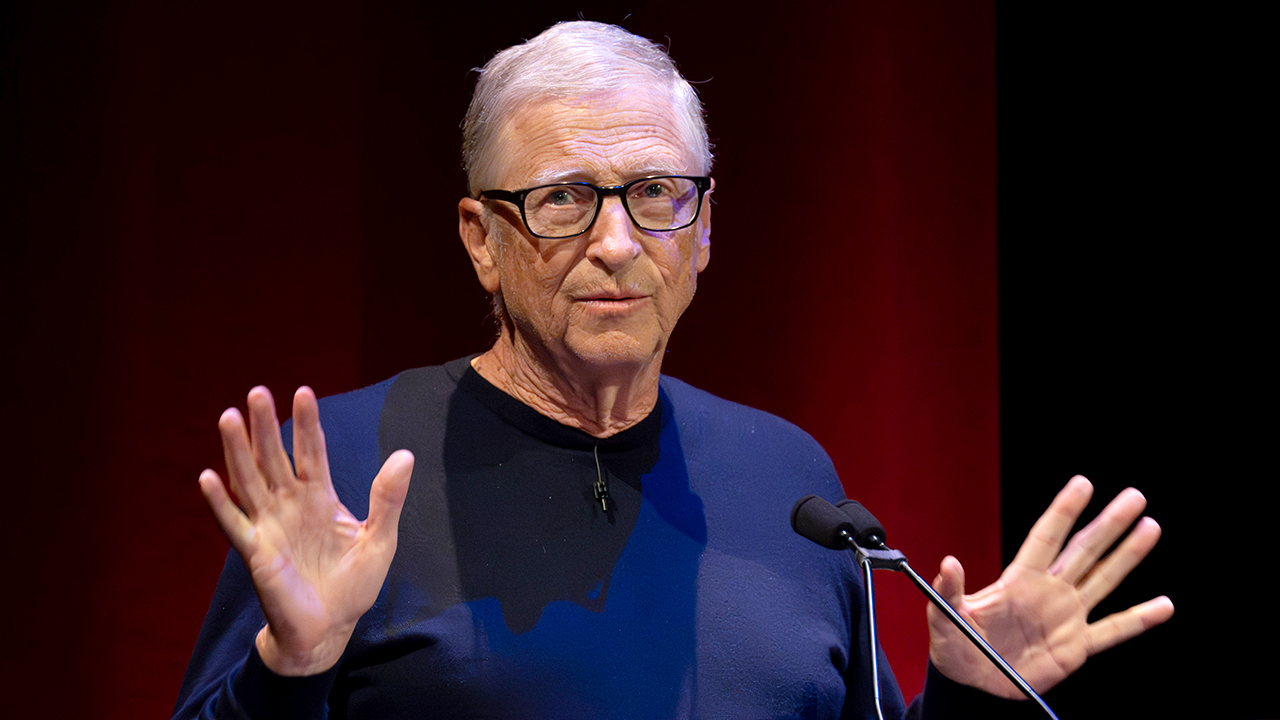
Gates urged leaders to act swiftly, saying, “You have a chance to act now, before unemployment rises sharply, communities are hurting, and public trust has eroded.” He believes that addressing the challenges posed by AI should be the world’s top priority, warning that the current trajectory could lead to significant societal inequities.7
“Unfortunately, right now we are not preparing for it,” he lamented, stressing the need for a comprehensive plan to manage AI's impact on society and the workforce.
“Gates suggests taxing AI or robots like human employees to slow job displacement, and proposes 'Human Reserved' roles for certain tasks. He admits the industry is 'full speed ahead' despite risks, with no plan to ease the transition.”



 The Boston Globe
 Fox Business