- Dognosis has kicked off its Phase 3 trial in April with 10 hospitals across India, planning to recruit about 10,000 people over 12 months, testing asymptomatic people at higher risk and survivors at risk of recurrence.
- In Phase 2 trials published in the Journal of Clinical Oncology, the company reports roughly 90% sensitivity for early-stage cancers.
- Dognosis raised a $1.5m pre-seed in 2024 and has since closed a further undisclosed round, with Accel India and Caffeinated Capital among its backers.
- Dognosis targets more than 20 cancer types across seven groups, including breast, oral cavity, lung, and cervical.
- Dognosis plans to launch an at-home multi-cancer prescreening test in India next year for a few thousand rupees.
- The premise is that tumours leave a chemical signature in exhaled breath that a dog can smell long before conventional tools can detect it.
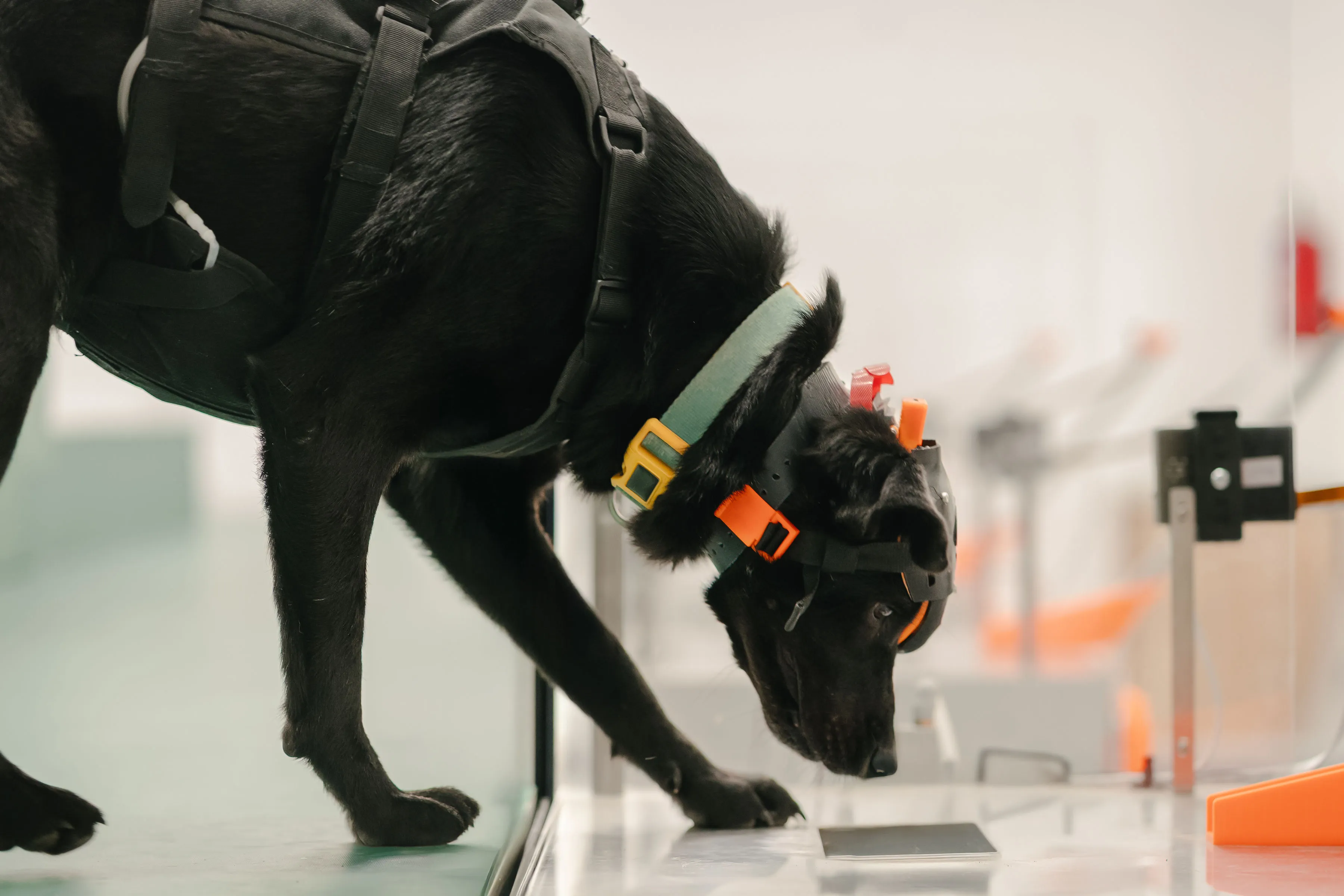
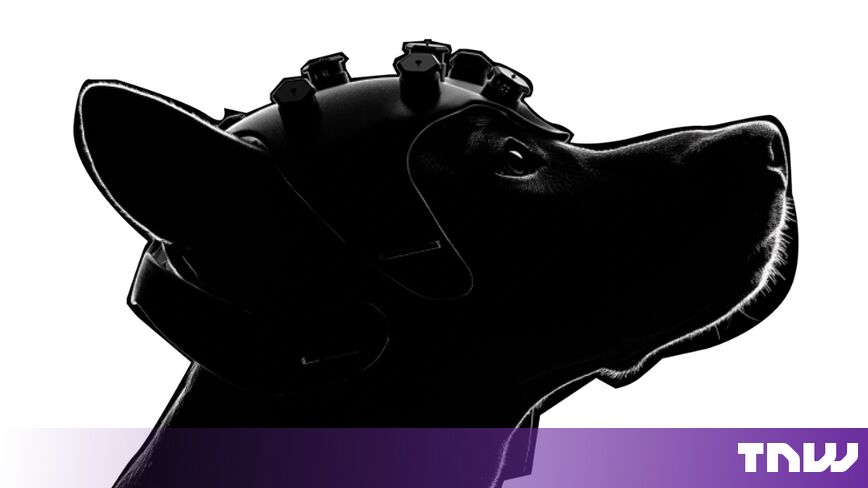
- The process involves breathing into a mask, which is couriered to Dognosis's facility outside Bengaluru, where dogs sniff the sample while sensors and AI read their movements, respiration, brain activity, and body language.
- These accuracy and detection figures are currently reported by the company and its researchers, not independently confirmed.
- India logged about 1.5 million new cancer cases and more than 900,000 deaths in 2024, with very low screening rates: roughly 1.9% for cervical cancer and fewer than 1% for breast or oral cancers.
Dognosis pairs trained sniffer dogs with artificial intelligence to detect cancer from breath samples, a method that aims to make early detection accessible in India, where cancer screening rates are alarmingly low.1345
Founded by Akash Kulgod, Dognosis's approach targets over 20 cancer types across seven groups, including breast, oral cavity, lung, and cervical cancers. The company reported approximately 90% sensitivity for early-stage cancers in its Phase 2 trials, as published in the Journal of Clinical Oncology.2
The process involves patients breathing into a mask, which is sent to Dognosis's facility where dogs, including beagles and labradors, sniff the samples. Sensors and AI analyze the dogs' movements and behaviors to determine if cancer is present.7
Despite promising results, the method is currently a prescreening tool, not a definitive diagnostic test.

India faces a significant cancer burden, with 1.5 million new cases and over 900,000 deaths reported in 2024. Screening rates are critically low, with only 1.9% of women screened for cervical cancer and 0.9% for breast or oral cancers.9
Dognosis aims to process 1 million tests annually and plans to launch an at-home prescreening test next year for a few thousand rupees. The ongoing Phase 3 trial will recruit about 10,000 participants over 12 months, focusing on asymptomatic individuals at higher risk of cancer.
Dognosis has raised $1.5 million in pre-seed funding and is backed by investors like Accel India and Caffeinated Capital.
“The trial will test asymptomatic people at higher risk and survivors at risk of recurrence, with flagged cases receiving conventional follow-up. Dognosis plans to launch an at-home test in India next year for a few thousand rupees, aiming to process 1 million tests annually.”