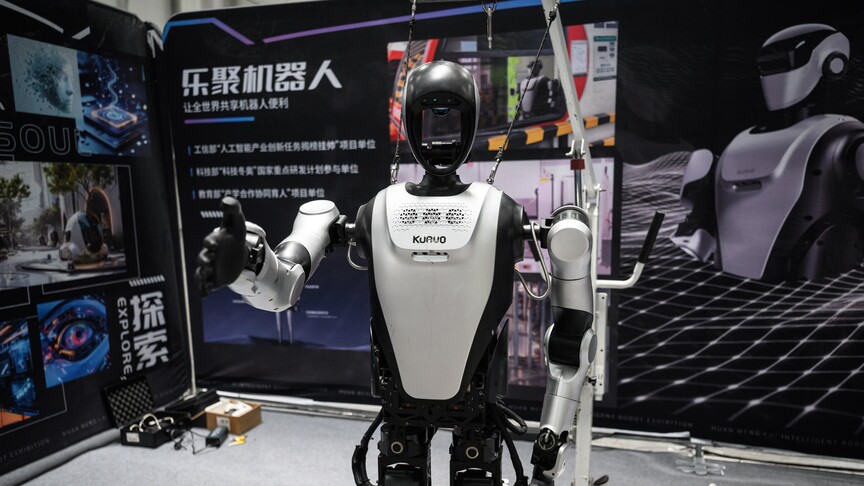
- Beijing has deployed 72 robot “employees” across 14 municipal parks this summer, taking on tasks from cleaning and patrols to guided tours and pest control amid high temperatures.
- Beijing's robot program began in 2024, with the city launching its first “robot + landscaping” pilot at Yuyuantan Park, and by 2025 Yuyuantan Park established a landscaping robot workstation for testing, scenario adaptation and upgrades.
- Over the past two years, 23 robotic devices from 18 companies have undergone field testing at Yuyuantan Park before expanding to other parks.
- Newly deployed aquatic weed-removal robots can cut, collect, drain, transport and unload vegetation, operating remotely or autonomously.
- At Yuyuantan Park, 11 robots are currently operating, including a 1.5-meter patrol robot equipped with more than 10 high-precision AI models, radar and cameras.
- Zizhuyuan Park has deployed mosquito-catching robots that simulate carbon dioxide from human breath to attract insects and reduce mosquito density in specific areas.
- Authorities plan to integrate operational data from robots across the parks to improve monitoring and expand the use of robotics in urban landscaping and park management.
Beijing is expanding its citywide use of robotics in public spaces, deploying 72 robot employees across 14 municipal parks this summer to handle cleaning, security patrols, guided tours and pest control amid high temperatures, officials said. The effort signals a broader push to replace routine, labor-intensive tasks with AI-powered machines as heat complicates work for human staff and parks seek to maintain services under strain.
12At the Summer Palace, cleaning robots equipped with lidar and sensors can begin operating within 30 seconds after sanitation workers define areas and select cleaning modes via a mobile app. They sweep litter, spray water, clean along edges and adjust cleaning intensity while avoiding pedestrians and vehicles.
They've also integrated intelligent tour-guide robots that provide explanations along preset routes, answer visitors' questions and remind crowds to maintain order.
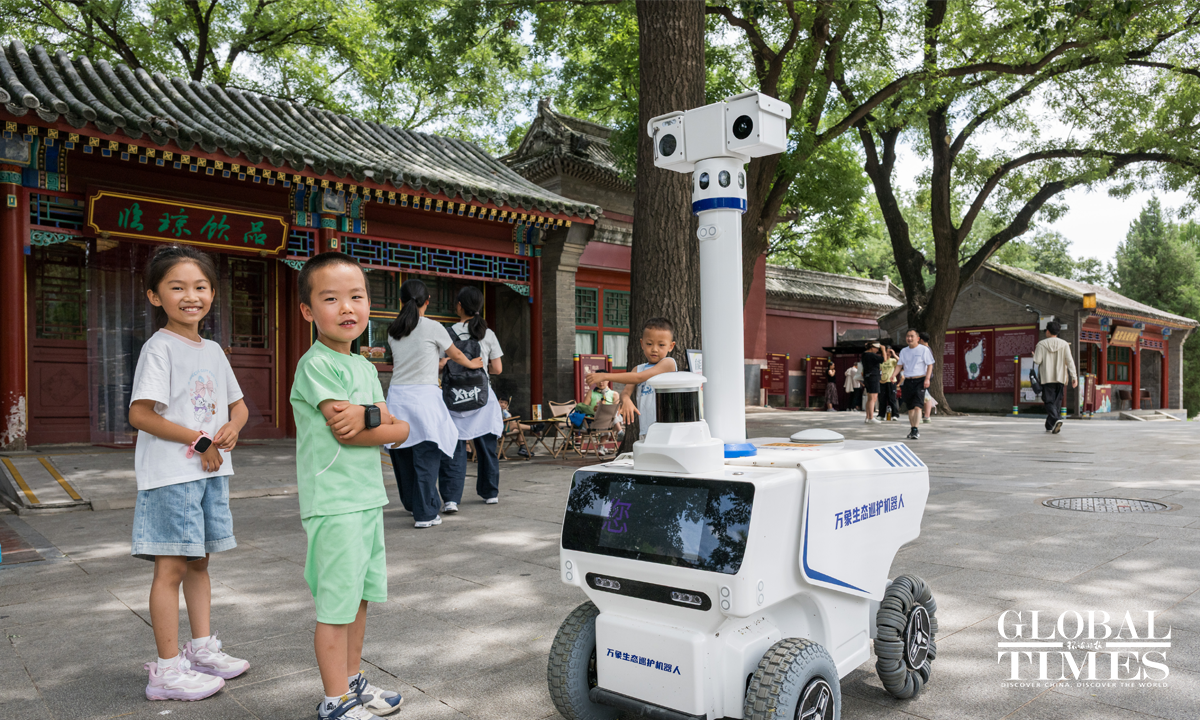
At Yuyuantan Park, 11 robots are in operation, including a 1.5-meter patrol robot equipped with more than 10 AI models, external sensing radar and recognition cameras; it can identify behaviors such as smoking and issue voice reminders to visitors.
Meanwhile, Zizhuyuan Park has deployed four types of "smart breathing" mosquito-catching robots that simulate carbon dioxide from human breath to attract insects. Xu Ziling of Zizhuyuan Park said the coordinated use of smart equipment responds to worries about mosquito activity in grassy areas during evening visits; "Especially during evenings when many children visit, compared with traditional mosquito traps, these devices can not only reduce the workload of frontline workers but also improve visitors' experience," Xu said.
Beijing's robot program began in 2024 with the first 'robot + landscaping' pilot at Yuyuantan Park; in the past two years, 23 robotic devices from 18 companies have undergone field testing, and technologies proven successful have gradually been introduced to other parks.
345101112Authorities plan to integrate operational data from robots across the parks to improve monitoring and expand robotics in urban landscaping and park management; the initiative underscores Beijing's growing use of robotics to perform routine tasks as extreme heat shapes city life. Expanding robotics citywide.
“The robots include a 1.5-meter patrol unit at Yuyuantan Park with over 10 AI models that can detect smoking and issue voice reminders. Zizhuyuan Park uses mosquito-catching robots that simulate human breath, and authorities plan to integrate operational data to expand robotics in urban landscaping.”




