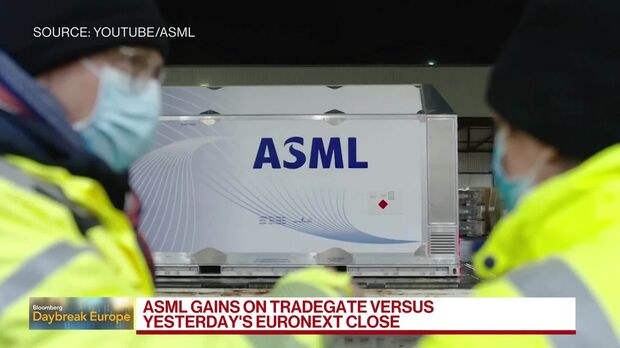
- ASML lifted its annual sales forecast for the second time this year and laid out plans to increase production driven by a surge in AI spending.
- Net sales are now expected to reach between €43 billion ($49.2 billion) and €45 billion, well above the €39.3 billion average analyst estimate.
- ASML stock rose 5% following the forecast increase.
ASML, the Dutch semiconductor-equipment maker, has significantly raised its sales forecast for 2023, now projecting net sales between €43 billion and €45 billion, up from a previous estimate of €36 billion to €40 billion. This adjustment comes as demand for AI-driven chip production surges, with CEO Christophe Fouquet noting that orders were 'extremely strong' in the first half of the year.2
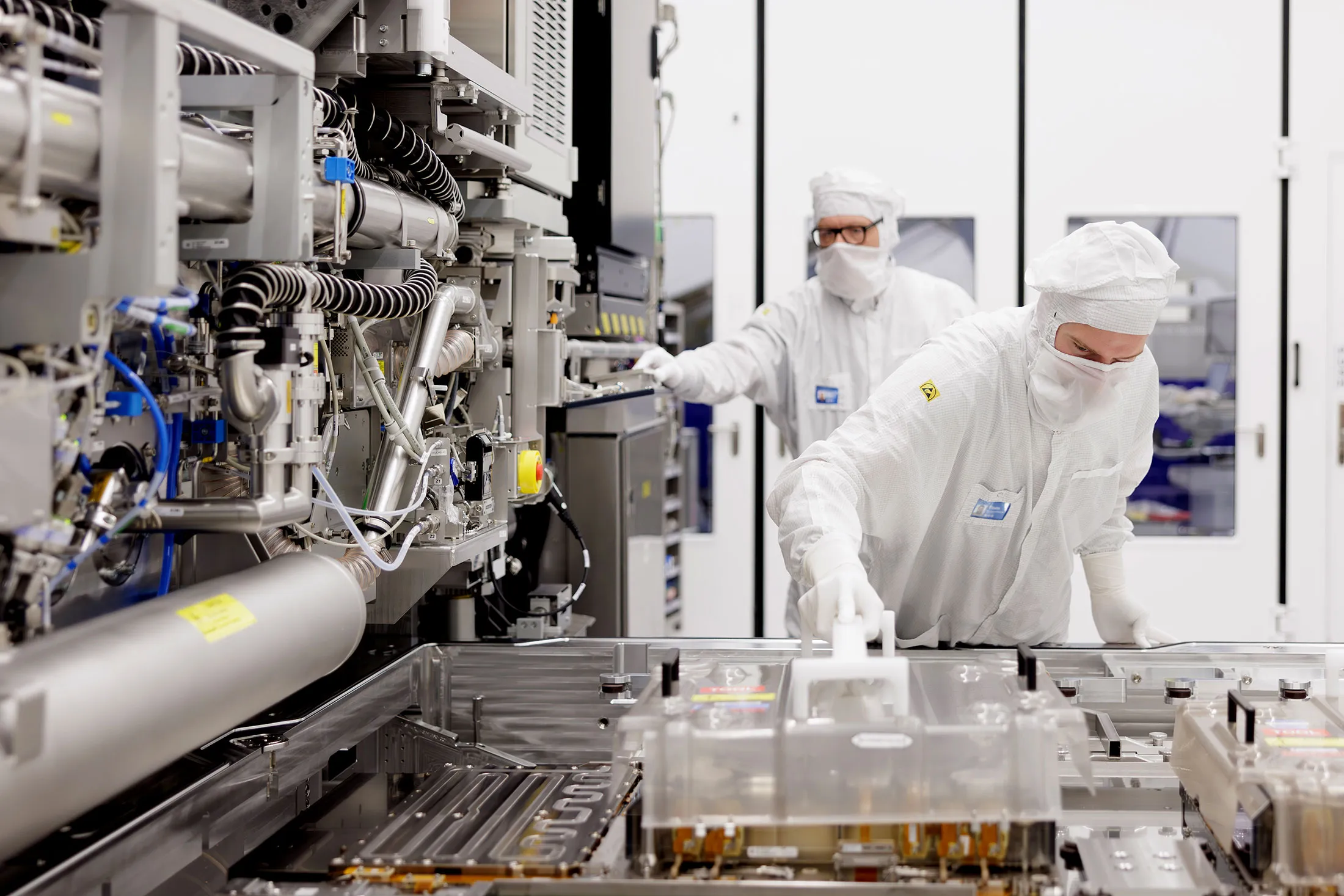
The company also plans to increase its production capacity by 30% for both its low NA EUV and Deep Ultraviolet (DUV) immersion technologies by 2026. This capacity expansion is a response to the accelerating demand from customers, who are ramping up their own production capabilities.
ASML's stock reflected this positive outlook, rising over 5% following the announcement, with shares up 115% year-to-date. The company continues to expect that 20% of its total net sales will come from China, indicating a strong international market presence.

Analysts from UBS have indicated that the ongoing buildout of semiconductor fabrication facilities, coupled with AI-driven demand, is likely to bolster ASML's performance in the second half of the year.
'This is translating into customer commitments across our product portfolio, providing ASML with increased visibility into longer-term demand,' Fouquet stated, highlighting the company's robust position in the semiconductor industry.
“ASML now expects net sales of €43 billion to €45 billion for the year, exceeding the €39.3 billion average analyst estimate. Separately, tech stocks rose on sustained AI chip demand optimism, and Entrust launched an accelerator to build trust infrastructure for autonomous agents, focusing on identity, authorization, and cryptographic accountability.”
 CNBC
CNBC



